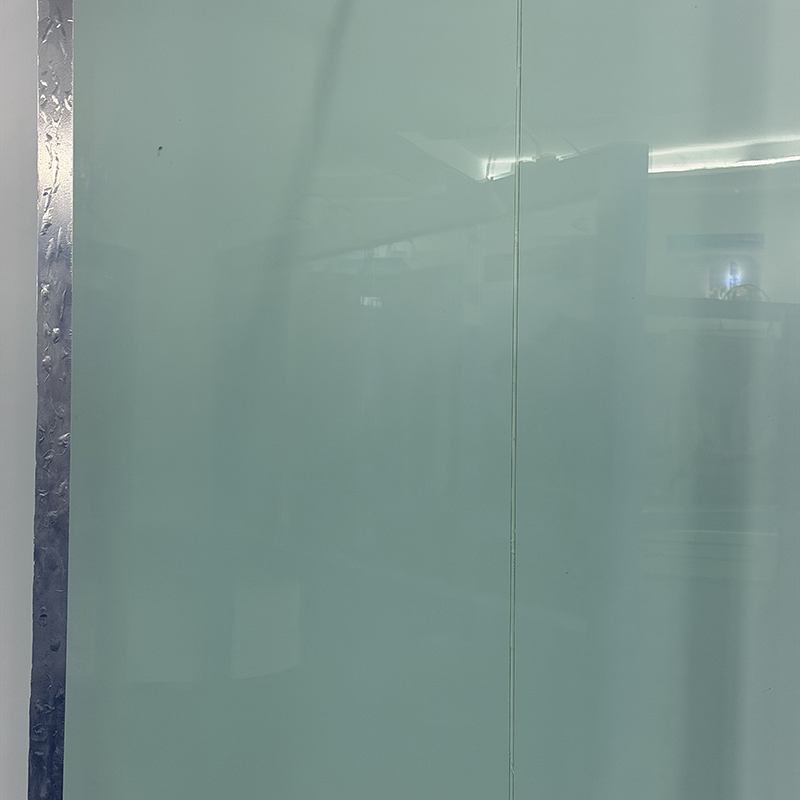
When architects, builders, and homeowners search for “what is tempered glass,” they are usually looking for more than a simple definition. They want to understand why this material plays such a critical role in modern architectural safety.
As a glass processing enterprise based in China, we provide high-performance glass solutions for the construction industry. In this guide, we explain the properties, advantages, and limitations of tempered glass to help you make informed decisions for your projects.
What Is Tempered Glass? Understanding the Process
Tempered glass (also known as toughened glass) begins as standard annealed glass. It is transformed through a controlled thermal tempering process.
First, the glass is cut to size and heated to around 650°C, close to its softening point. It is then rapidly cooled using high-pressure air jets, a process known as quenching.
This rapid cooling creates internal stress: the surface is placed in compression, while the interior remains in tension. This structure significantly improves the glass’s strength and resistance to impact and bending.
Is Tempered Glass Unbreakable?
A common misconception is that tempered glass is unbreakable. In reality, it is not—but it is much safer when it does break.
Tempered glass is typically four times stronger than standard annealed glass of the same thickness. However, it can still fail under certain conditions, such as:
- Strong impact from heavy objects
- Nickel sulfide inclusions (NiS), which may cause spontaneous breakage
- Edge damage during handling or installation
What makes tempered glass unique is how it breaks. Instead of forming large, sharp shards, it shatters into small, blunt fragments. This greatly reduces the risk of injury and is why it is widely used as safety glazing in buildings.
Advantages of Tempered Glass in Architecture
1. High Strength
Tempered glass offers 3 to 5 times the strength of ordinary glass of the same thickness. This allows for larger panels and slimmer designs in applications such as curtain walls and railings.
2. Thermal Resistance
It has excellent resistance to thermal shock and can withstand temperature differences of up to 250°C. This makes it suitable for environments with strong sunlight or rapid temperature changes.
3. Design Flexibility
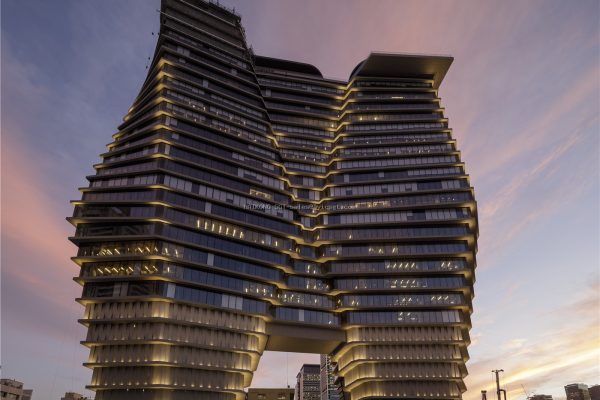
Tempered glass can be produced in various shapes, including flat and curved forms. It is widely used in modern architectural designs where both safety and aesthetics are important.
Disadvantages of Tempered Glass
Understanding its limitations is essential when selecting the right material.
1. No Post-Processing
Once tempered, the glass cannot be cut, drilled, or modified. Any attempt to do so will cause it to shatter. All fabrication must be completed before tempering.
2. Risk of Spontaneous Breakage
Although rare (approximately 1–3‰), tempered glass may break spontaneously due to nickel sulfide inclusions. For critical applications, heat-soaked tempered glass is often recommended to reduce this risk.
3. Optical Distortion
The tempering process can sometimes cause slight surface distortion, such as roller wave or bowing. While this does not affect strength, it may be noticeable in applications requiring high optical clarity.
Tempered Glass vs. Laminated Glass
Both tempered and laminated glass are considered safety glass, but they serve different purposes.
- Tempered glassis best for strength and impact resistance. It is commonly used in doors, railings, and shower enclosures. When broken, it disintegrates into small pieces.
- Laminated glassis designed for retention. It consists of two glass layers bonded with an interlayer (usually PVB). When broken, the fragments remain attached to the interlayer, keeping the panel in place.
For applications such as high-rise balcony railings, many building codes now require laminated glass made from tempered panels. This combines strength with post-breakage safety.
Applications in Modern Construction
Tempered glass is widely used across the construction industry, including:
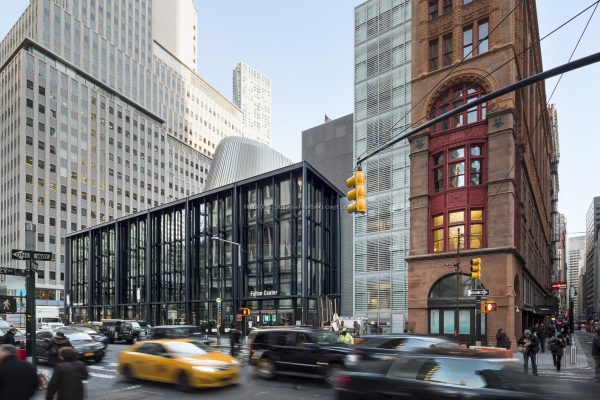
- Facades and curtain walls
- Glass railings
- Doors and entrances
- Interior partitions
Conclusion
Tempered glass is a key material in modern architecture, valued for its strength, safety, and durability. While it has certain limitations—such as the inability to be reprocessed and a small risk of spontaneous breakage—its benefits far outweigh its drawbacks.
By working with a reliable manufacturer and ensuring proper processing, you can achieve both safety and long-term performance in your projects.