
30+ YEARS
OF EXPERTISE IN GLASS DEEP PROCESSING
Premium Glass Solutions
for Global lcons
Customizable Low-E Glass -Temperature
Control & Aesthetics,Tailored to Your Needs
Automated & Intelligent Production Lines
HAIKONG SGT|Factory-Driven Quality Excellence
30+ YEARS
OF EXPERTISE IN GLASS DEEP PROCESSING
Premium Glass Solutions
for Global lcons
Customizable Low-E Glass -Temperature
Control & Aesthetics,Tailored to Your Needs
Automated & Intelligent Production Lines
HAIKONG SGT|Factory-Driven Quality Excellence
We Are Architectural Glass Manufacturer
RECENT PROJECTS
Anchorage Art Museum
View MoreMain Products
Laminated Glass
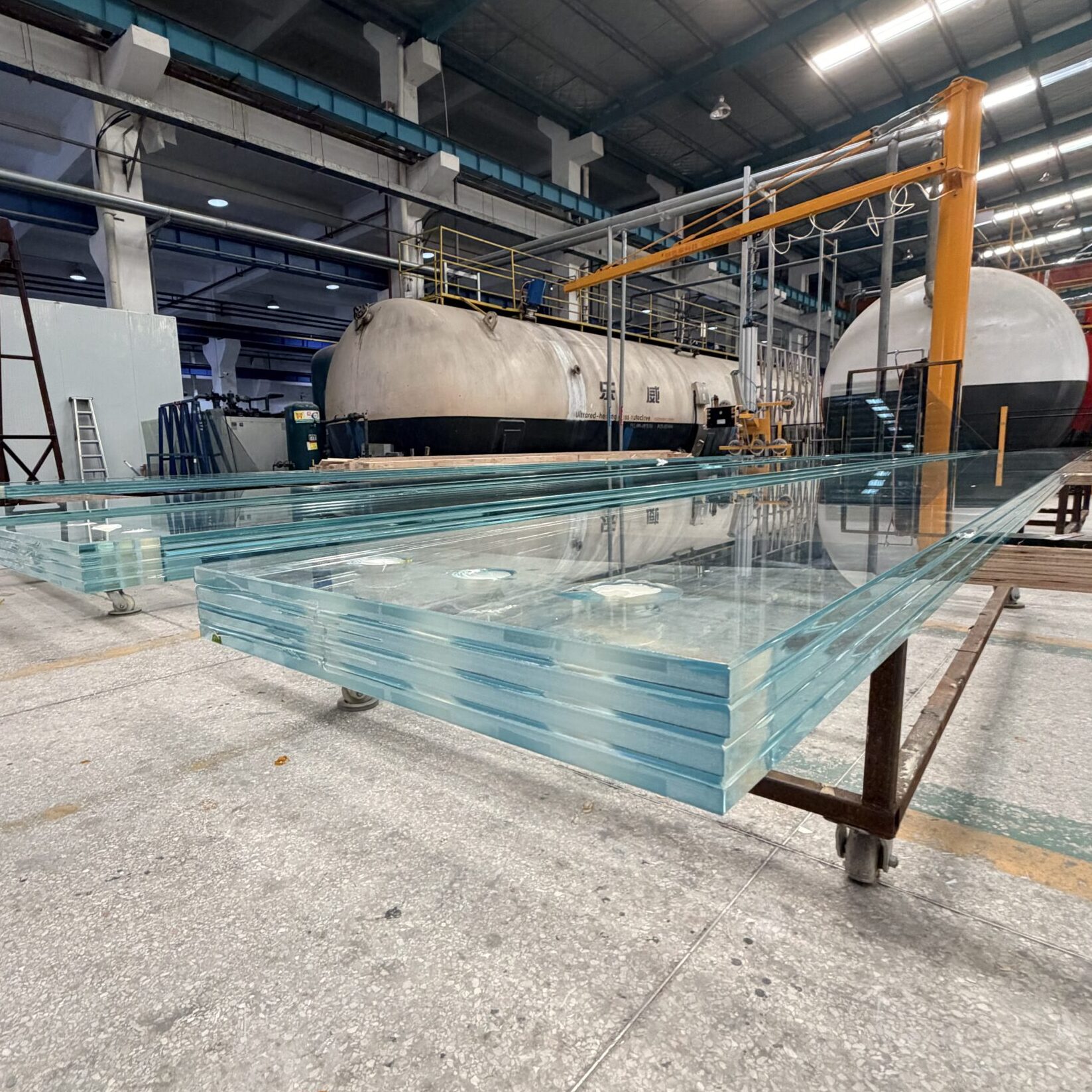
Laminated glass consists of two or more layers of glass with an interlayer of polyvinyl butyral (PVB) or ethylene-vinyl acetate (EVA). It provides enhanced safety, security, and sound insulation.
Insulated Glass
Insulating glass consists of two glass panes and one spacer layer, forming a sealed and dry air cavity filled with dry air or inert gas such as argon. It features good thermal insulation, sound insulation and anti-condensation performance. With a mature structure and wide application, it is suitable for most architectural windows, doors, curtain walls and skylights.
Heat Bent Glass
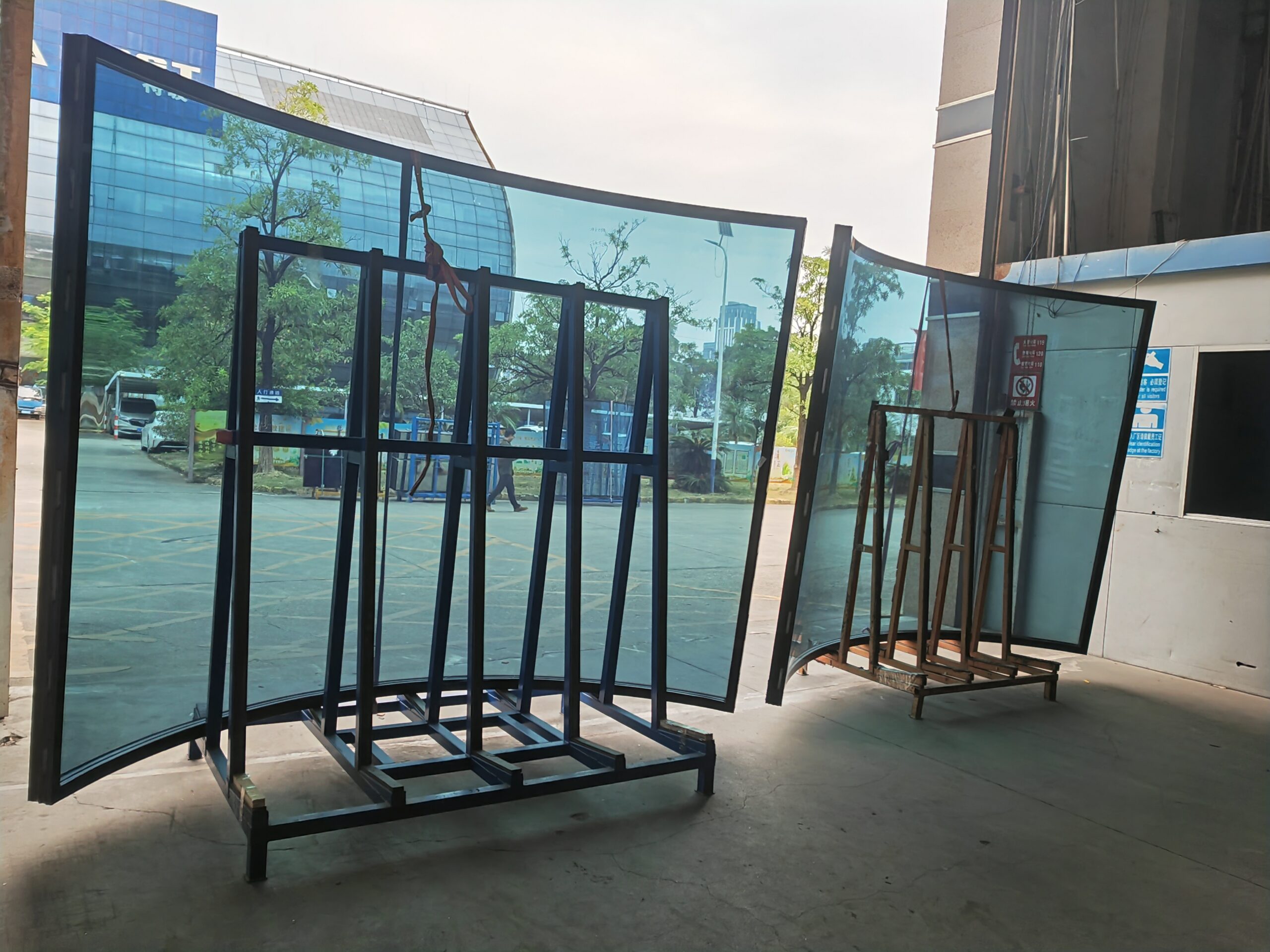
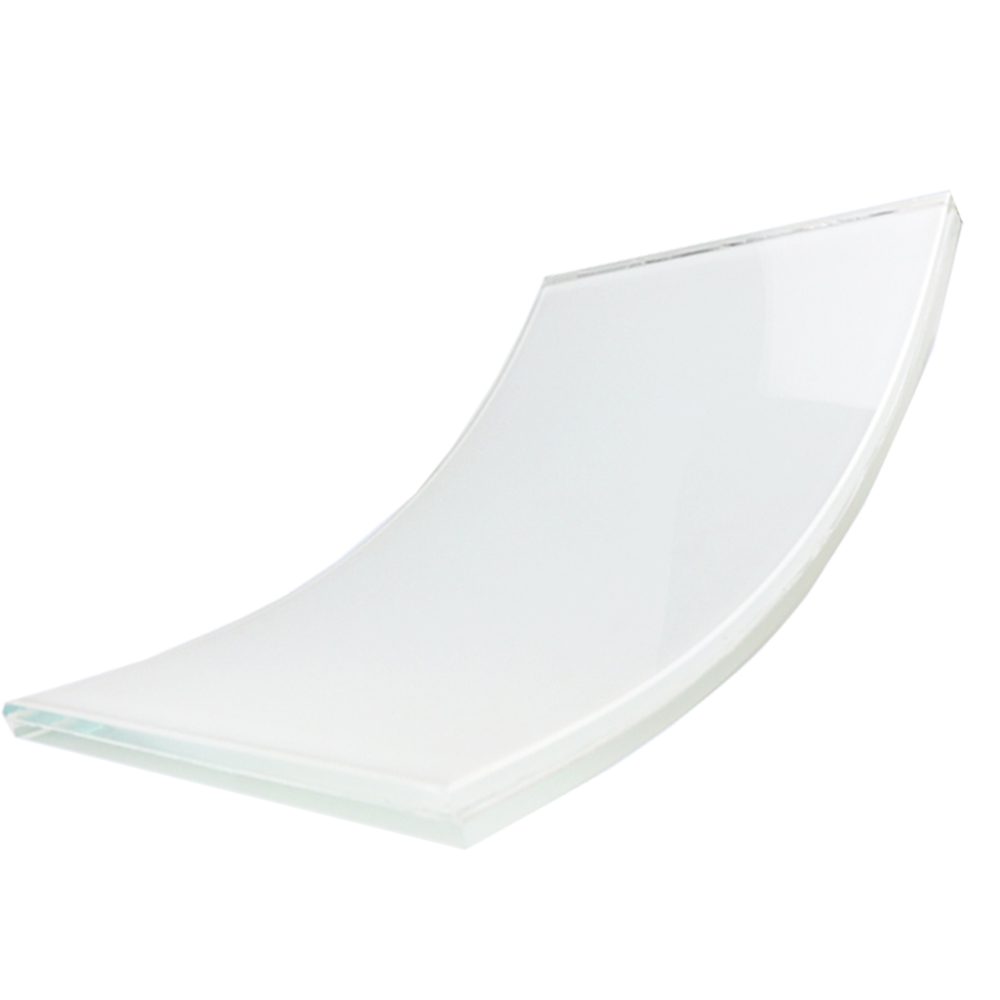
Heat bending glass is a kind of curved glass product made by heating high-quality float glass to its softening point, bending it into shape on professional molds, and then cooling it uniformly and slowly.With smooth curved surface, exquisite and transparent appearance, it can be combined with tempering, Low-E coating, laminating, insulating processes to meet architectural safety, energy-saving and aesthetic design requirements.
Bent Tempered Glass
Bent Tempered Glass is a kind of curved safety glass produced by heating glass to softening temperature, bending it into designed curvature, and then quenching it with rapid air cooling. Its strength is 3-5 times that of ordinary glass, with excellent impact resistance, wind pressure resistance and thermal stability. It breaks into small blunt particles, which is safe for people. It is widely used in curved curtain walls, observation elevators, curved windows & doors, skylights, etc.
SGT
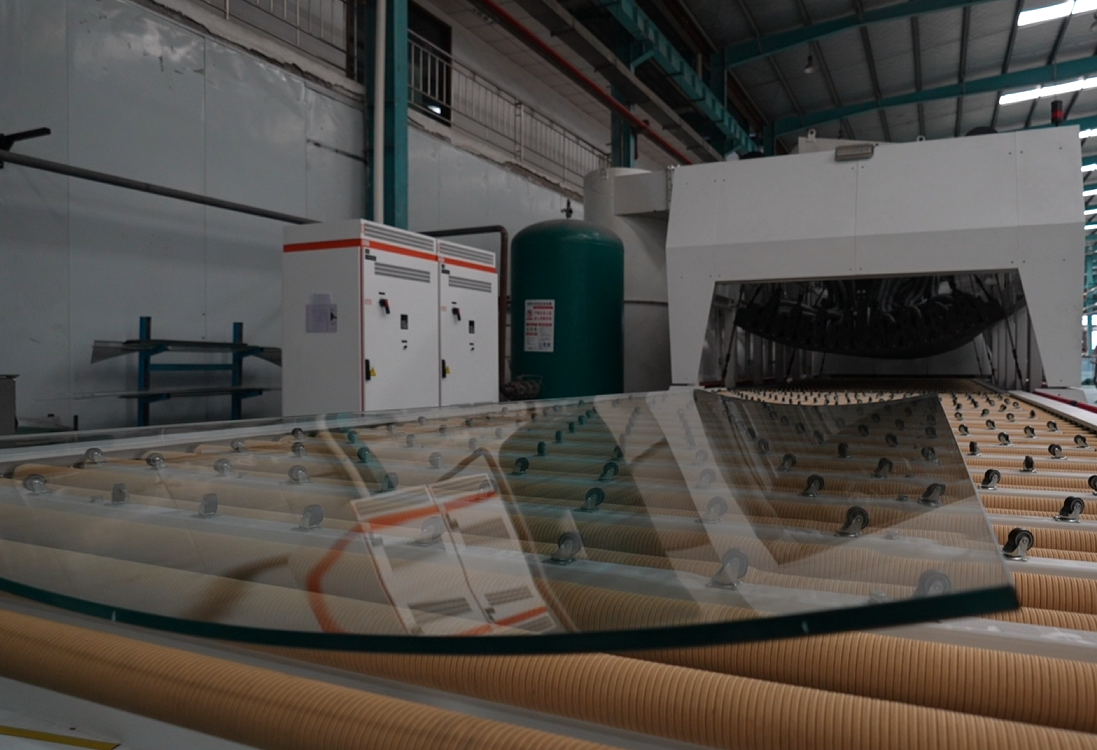
Guangdong Haikong Special Glass Technology Co., Ltd. (abbreviated as HAIKONG SGT, formerly Guangdong AVIC Special Glass Technology Co., Ltd.), is a wholly-owned subsidiary of Hainan Development Co., Ltd. — a listed platform controlled by Hainan Provincial SASAC of China. Its Huizhou production base covers an area of 200,000 square meters, equipped with a full-chain intelligent special glass deep processing line with European standard certified core equipment. It realizes full-size glass processing from 0.3m × 0.3m to 3.0m × 11.0m, and owns large-scale customization capacity for high-end special glass.
200,000 ㎡
Base
3 EU Furnaces
Advanced Equipment
1 Coating Line
Von Ardenne Coating Line
0.3*0.3m-3*11m
Glass Size
SGT NEWS CENTER
We are committed to upholding our most cherished values in every project and task we take on.

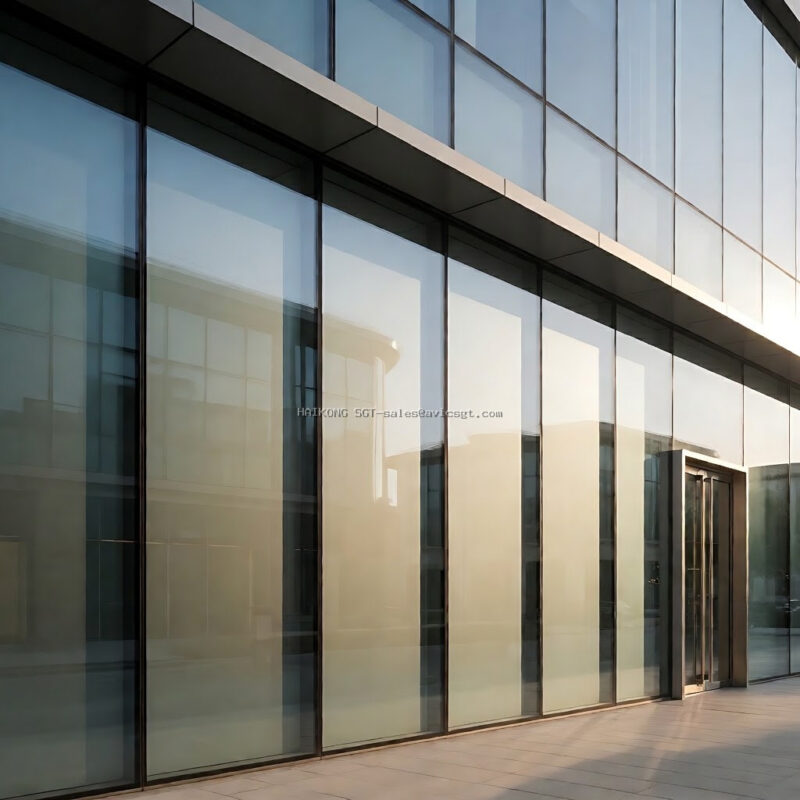
Ceramic Frit Glass for Building Facades: Design, Performance and Applications
Architectural ceramic fritted glass helps architects create distinctive building facades while managing visual privacy, daylight, and exterior appearance. However, selecting the right product involves more than choosing a pattern or color. You also need to consider glass thickness, thermal performance, safety requirements, processing compatibility, and installation conditions. An unsuitable specification
Smart Glass for Buildings: Types, Applications and How to Choose
Switchable glass can help create flexible spaces by changing the appearance or light transmission of a glazed panel. For architects, developers and contractors, the right choice depends on the intended function: visual privacy, adjustable tint, glare management or solar control. These functions are not the same, and a product marketed
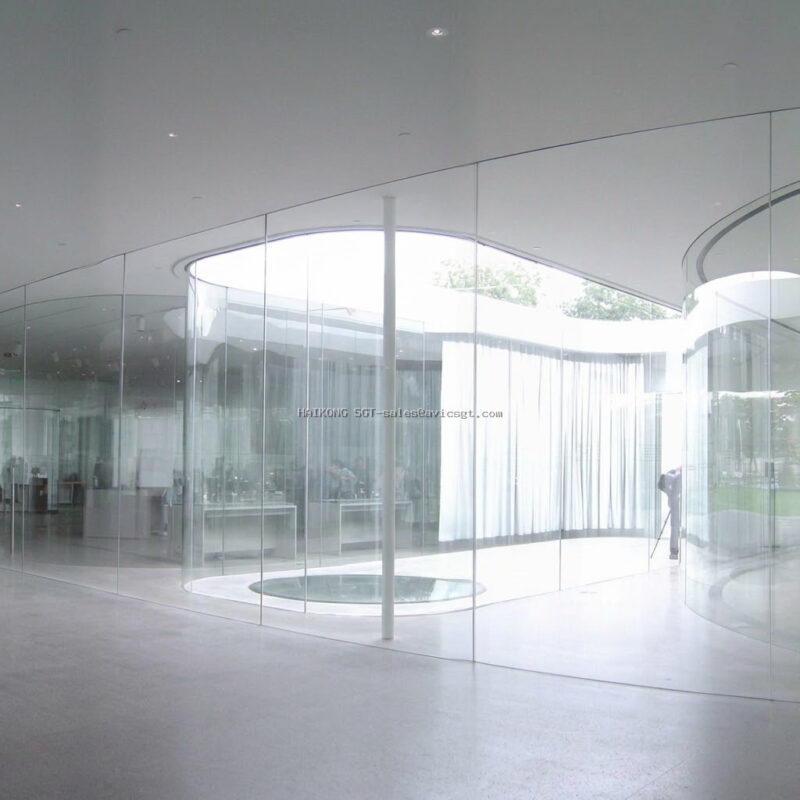
Curved Glass for Architectural Facades: Design, Performance and Specification Guide
A curved glass facade gives hotels, office towers, and commercial buildings a clean, modern look. However, choosing the right glass requires careful planning. You need to consider the curve radius, glass thickness, panel size, safety, and energy performance before production starts. Otherwise, design changes may increase costs and delay installation.


