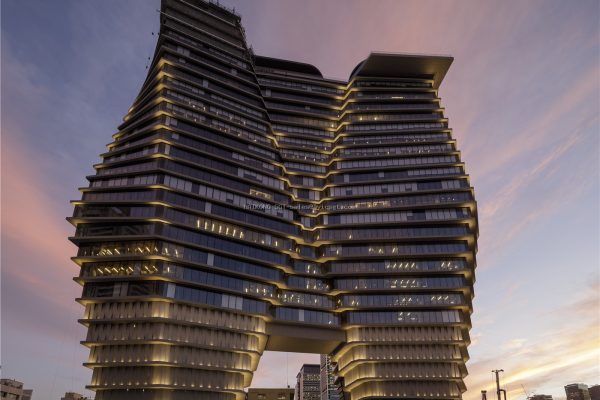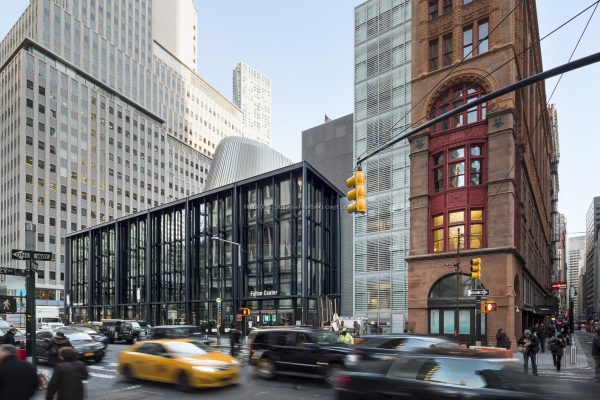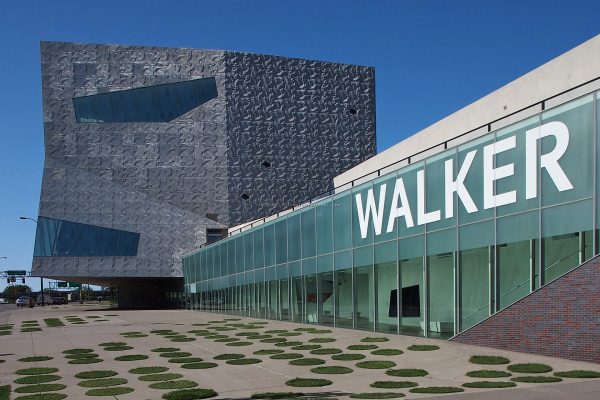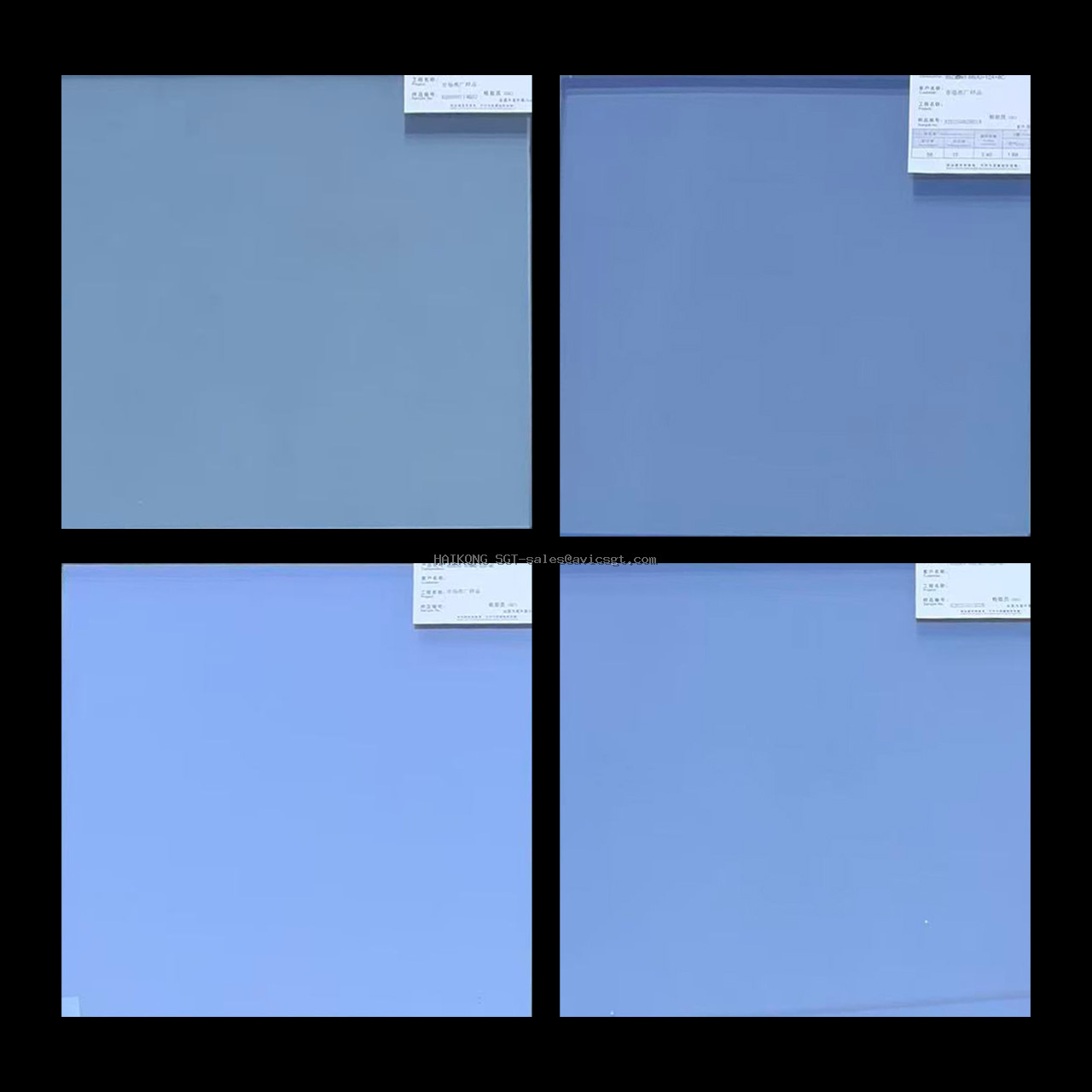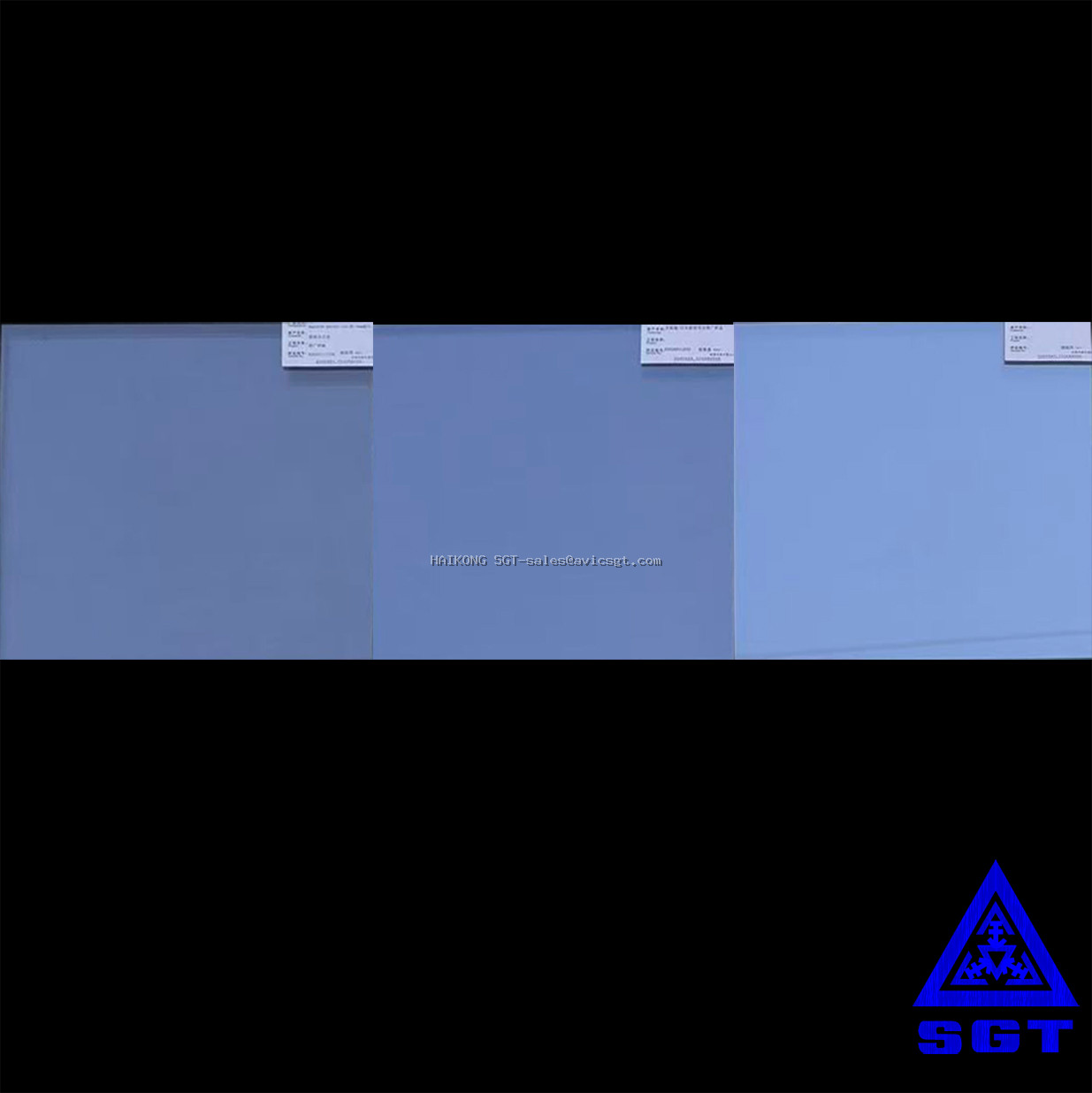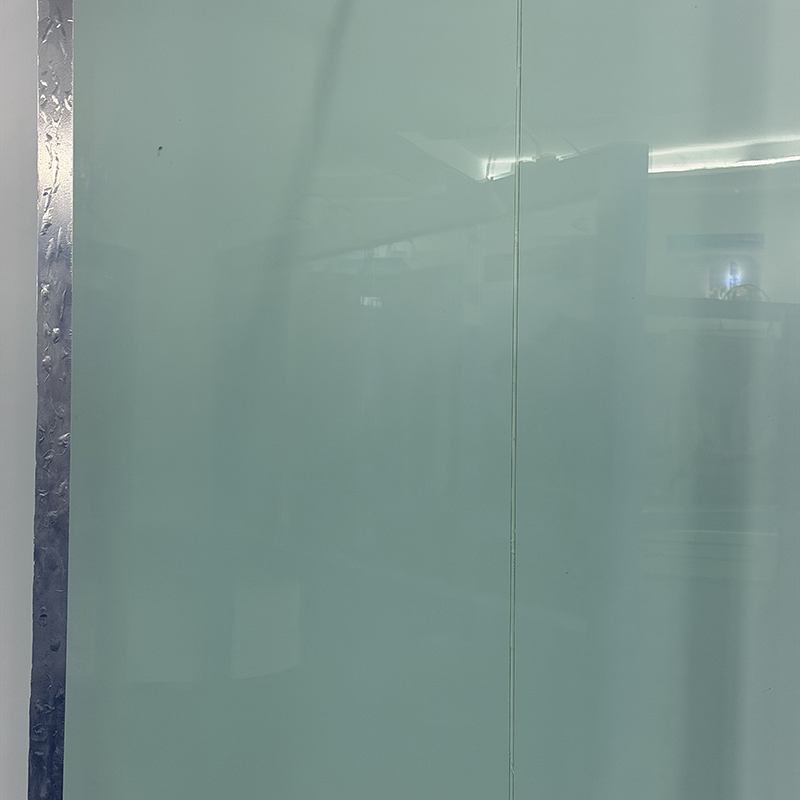
A curved glass facade gives hotels, office towers, and commercial buildings a clean, modern look. However, choosing the right glass requires careful planning. You need to consider the curve radius, glass thickness, panel size, safety, and energy performance before production starts. Otherwise, design changes may increase costs and delay installation. Guangdong HAIKONG Special Glass Technology Co., Ltd. (SGT) has more than 30 years of experience in glass deep processing. Its bent tempered glass product supports sizes up to 3100 × 12000 mm, subject to production conditions. Therefore, understanding the available glass types and their limits helps you choose a suitable solution for your building project.
What Is Curved Architectural Glass?
Curved architectural glass is glass that manufacturers heat and shape to create a curved surface. Architects use it for building exteriors and interiors when flat glass cannot meet the design needs.
Common applications include:
- Curved curtain walls and building facades.
- Hotel entrances and panoramic windows.
- Glass canopies and skylights.
- Observation elevators and curved partitions.
For exterior projects, you should also check wind loads, thermal movement, water tightness, and local building codes. These factors help you select glass that meets both design and safety needs.
Types of Curved Glass for Building Facades
Different glass types offer different levels of strength, safety, and thermal performance. Therefore, choose the glass based on your project requirements.
Bent Tempered Glass
Bent tempered glass combines a curved shape with the strength of heat-treated glass.
During production, bent tempered glass is heated to a controlled temperature, formed to the required curvature, and subjected to controlled cooling to develop the intended tempered properties.
The achievable shape, dimensions, and thickness depend on the manufacturing equipment and processing parameters.
SGT lists the following specifications for its bent tempered glass:
- Maximum size: Up to 3100 × 12000 mm.
- Glass thickness: 5–25 mm.
- Curvature options: Single curvature, multi-curvature, and arc-shaped profiles.
- Additional options: Laminated, insulated, Low-E, ceramic fritted, and digitally printed configurations, subject to compatibility.
This glass suits curved curtain walls, windows, canopies, and other architectural features that require tempered glass.
Bent Laminated Glass
Bent laminated glass uses two or more glass plies bonded with an interlayer such as PVB or SGP. If the glass breaks, the interlayer helps hold the fragments together.
As a result, this configuration can suit projects that need added post-breakage protection. However, you must select the complete glass build-up according to the safety requirements and support system.
Curved Insulated Glass
Curved insulated glass combines curved panes with a sealed cavity. This design can improve thermal insulation and reduce heat transfer through the facade.
For projects in hot climates, you can also consider compatible Low-E or solar-control coatings. Before production, confirm the cavity width, edge seals, coating position, and required thermal performance.
Key Design Factors: Radius, Thickness and Dimensions
A successful curved glass facade starts with clear technical details. Therefore, share your design drawings with the glass manufacturer before you finalize the specifications.
Consider these key factors:
- Radius: A tighter curve may limit the available glass thickness and panel size. Check the minimum radius with the manufacturer.
- Thickness: Choose the glass build-up based on wind pressure, panel dimensions, support conditions, and structural calculations.
- Panel size: Larger panels create fewer joints. However, they also increase lifting, shipping, and installation demands.
- Edgework: Complete all required cutting, drilling, and edge finishing before tempering because you cannot cut or drill tempered glass afterward.
- Coatings: Confirm that the selected coating can withstand the required bending and tempering process.
SGT lists a maximum bent tempered glass size of 3100 × 12000 mm. However, this limit does not apply to every combination of thickness, radius, and glass build-up. Always request a technical review before placing an order.
Curved Glass for Modern Buildings in Saudi Arabia and the UAE
Hotels, office towers, shopping centers, and commercial buildings in Saudi Arabia and the UAE often use curved glass to create distinctive entrances and flowing facades.
However, the local climate also affects glass selection. Strong sunlight and high outdoor temperatures can increase cooling demand. Therefore, architects and contractors should review:
- Solar heat gain and visible light transmission.
- Wind loads and movement within the facade system.
- Thermal stress and insulating glass requirements.
- Cleaning access and future glass replacement.
- Local building codes and safety standards.
For example, a hotel facade may need to balance daylight, outdoor views, and indoor cooling costs. In this case, a suitable solar-control or Low-E configuration may help meet the project’s performance targets.
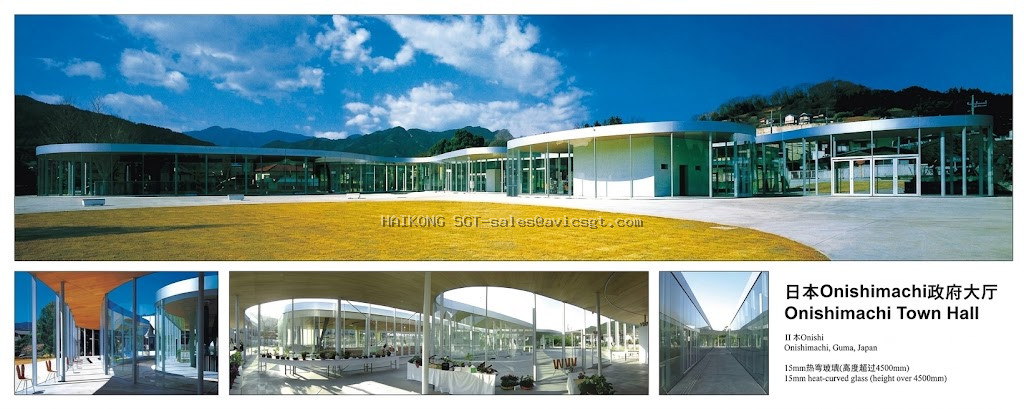
Manufacturing Challenges and Quality Control
Curved glass processing requires careful control of heat, shape, and dimensions. During tempering, the glass may develop roller wave, reflected-image distortion, or visible stress patterns. Manufacturers must check these effects against the project’s agreed quality limits.
A reliable quality process should include:
- Optical inspection: Check reflected images and visible distortion.
- Dimensional checks: Measure panel size, curvature, and profile.
- Edge inspection: Look for chips, cracks, and other damage.
- Lamination checks: Review bonding quality and interlayer condition.
- Insulating glass checks: Inspect cavity construction and edge seals.
- Safety verification: Confirm applicable standards and test records.
SGT uses professional laboratory equipment to test optical, thermal, and color performance. Its listed equipment includes a Lambda 1050+ spectrophotometer and a CM700D portable color difference meter. Ask SGT for test reports that match your project requirements. Also, verify the relevant product certificates before approval.
For projects that require heat soak testing, confirm the availability, test procedure, and applicable standard with the supplier. Do not assume that every curved tempered glass product follows the same testing requirements.
How to Specify Curved Glass for a Curtain Wall Project
Use these steps to prepare a clear request for quotation.
- Send the drawings. Include panel dimensions, curve direction, radius, and the required shape.
- Choose the glass build-up. State the thickness, tempered or laminated construction, coatings, and insulating cavity.
- Set performance targets. Provide wind loads, thermal requirements, safety needs, and applicable building codes.
- Check production limits. Ask the manufacturer to confirm the radius, dimensions, tolerances, and processing options.
- Approve samples and drawings. Agree on the appearance, optical quality, and inspection criteria before production.
- Plan shipping and installation. Confirm packaging, loading, labels, delivery terms, and site handling requirements.
By following these steps, you can reduce design changes, avoid unclear specifications, and improve coordination between the glass supplier and facade contractor.
Choosing a Curved Glass Manufacturer
The right supplier should offer suitable production capacity, clear quality checks, technical support, and dependable delivery. Compare suppliers against the needs of your specific project.
Manufacturing Capabilities
First, check whether the supplier can produce bent tempered glass, bent laminated glass, and curved insulated glass. Then, ask the engineering team to confirm that your panel size and curve radius work with the selected glass build-up.
Quality Control and Certifications
Next, request inspection records, test reports, dimensional tolerances, and relevant certificates. Verify each certification and confirm that it covers the product and facility involved in your project.
Project Experience
Review documented projects with similar panel sizes, facade designs, and performance needs. If a supplier presents international project examples, ask for verifiable details before relying on those claims.
Engineering and Technical Support
Good technical support helps you resolve design issues early. Look for drawing reviews, custom specifications, sample approval, and production planning.
Packaging, Shipping, and Delivery
Finally, review export packaging, container loading, shipping documents, delivery terms, and replacement procedures. Large curved panels need suitable protection and careful handling throughout transport.
FAQ
What is the maximum size of bent tempered glass?
SGT lists a maximum size of 3100 × 12000 mm. However, the achievable size depends on the thickness, radius, and final glass configuration.
Can you use bent tempered glass for curtain walls?
Yes, bent tempered glass can suit curved curtain walls when the design meets structural, safety, and local code requirements. The project team must assess the complete facade system before installation.
Can curved glass include Low-E coatings?
Yes, some curved glass configurations can use Low-E coatings. However, coating compatibility depends on the product and processing method, so confirm the details before production.
Conclusion
A reliable curved glass facade depends on the right glass type, a workable curve radius, clear technical specifications, and careful quality checks. SGT offers bent tempered glass with listed sizes up to 3100 × 12000 mm, along with options for different architectural applications. However, every project needs a technical review to confirm the final configuration. Contact Guangdong HAIKONG Special Glass Technology Co., Ltd. (SGT) with your drawings, panel dimensions, curve radius, and performance targets to discuss suitable glass options and request a project-specific quotation.