

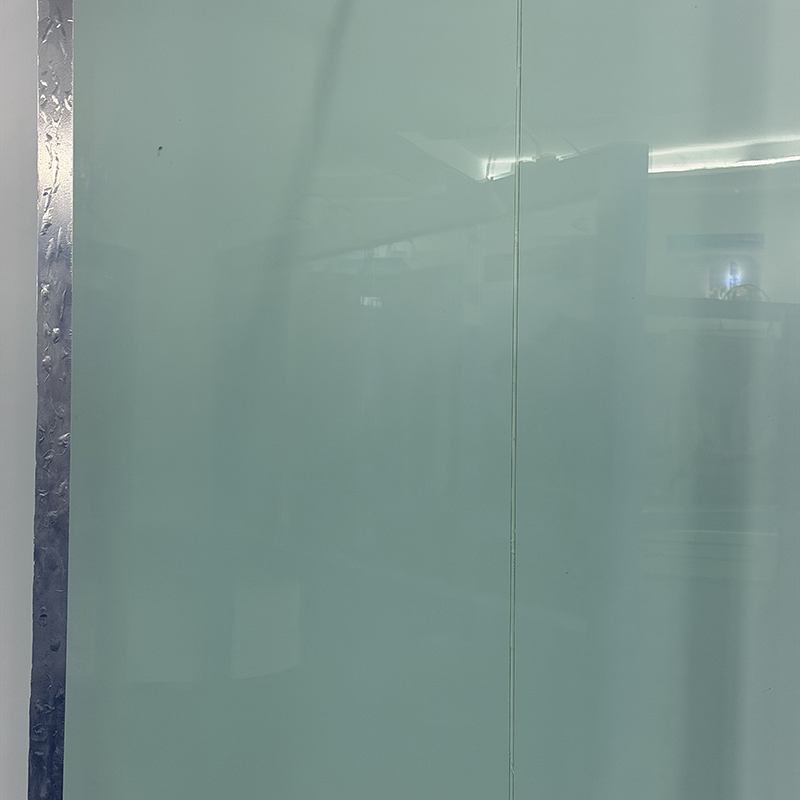
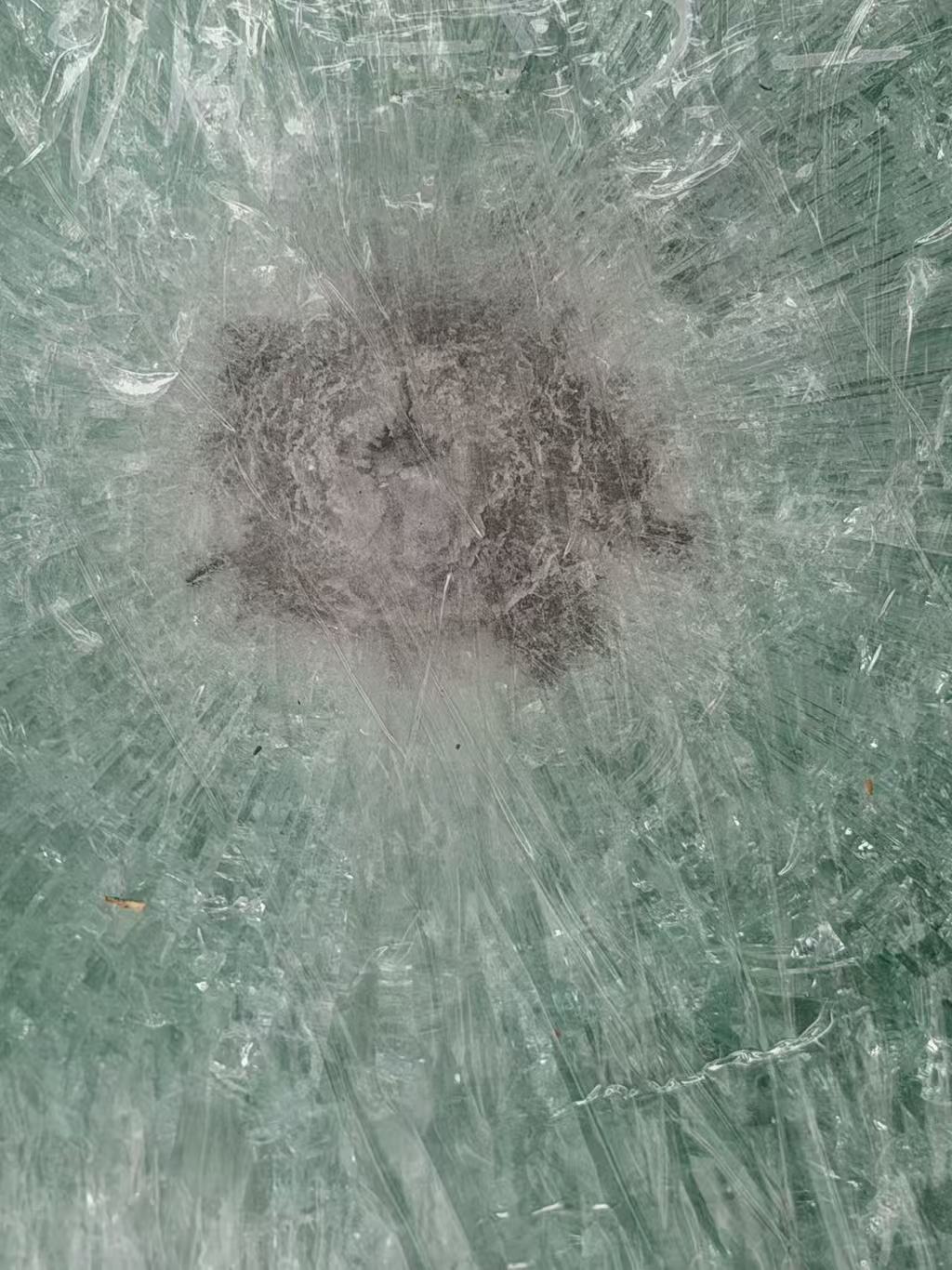
Bulletproof Glass
Bulletproof glass is a kind of safety protection glass composited by multi-layer glass, PVB/SGP interlayers and PC sheets under high temperature and pressure.It can effectively prevent bullets from penetrating when impacted by gunshots or strikes, while maintaining integrity without falling off. It features bullet resistance, smash resistance, impact resistance and explosion protection, widely used in places with high security requirements.
PRODUCT DETAILS
| Parameter | Specification |
|---|---|
| Product | Bulletproof Glass / Security Laminated Glass |
| Minimum Size (mm) | Fully customizable based on project requirements |
| Maximum Size (mm) | Up to 3300 × 18000 |
| Total Thickness (mm) | 52 – 125 (customized according to required protection level) |
| Structure | Multi-layer glass combined with PVB/SGP interlayers and PC (polycarbonate) composite |
| Performance | Bullet-resistant, impact-resistant, smash-proof, explosion-resistant, anti-theft |
| Appearance | High light transmittance; available in clear, bronze, and grey |
| Further Processing | Can be integrated with insulating, coated, or ceramic fritted glass |
| Applications | Banks, jewelry stores, government buildings, embassies, vehicles, and high-security facilities |
PROCESSING ROUTE
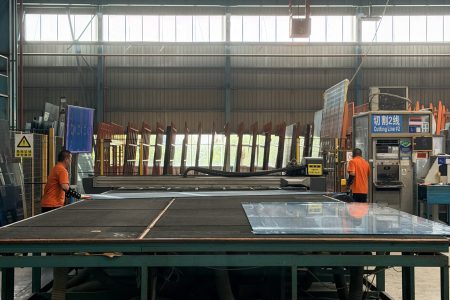
Cutting
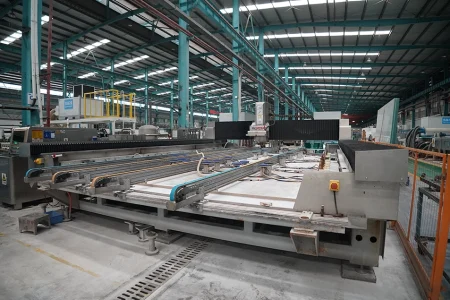
Edging
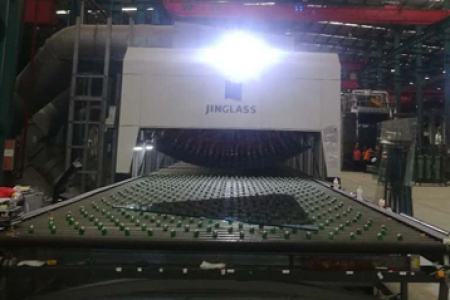
Tempering
Bullet Resistant Glass: Materials, Thickness, Ratings, and Architectural Applications
In an era where security threats range from opportunistic smash-and-grab crimes to targeted armed attacks, architects and building owners can no longer afford to treat glazing as merely an aesthetic element. For high-risk facilities—government buildings, financial institutions, embassies, schools, and retail establishments—bullet resistant glass has become a critical component of the security envelope.
This comprehensive guide explores what bulletproof glass is, the materials used in its construction, how thickness correlates with protection levels, the industry standards that govern its performance, and the architectural applications where it is most essential.
What Is Bullet Resistant Glass?
Bullet resistant glass (also commonly referred to as bulletproof glass or ballistic glass) is a specially engineered laminated glazing product designed to withstand the impact of projectiles fired from firearms. At first glance, it may appear no different from ordinary clear glass. However, it is crafted through a complex lamination process that bonds multiple layers of glass and plastic materials to absorb and dissipate the kinetic energy of a bullet, preventing penetration.
The term “bulletproof” is somewhat misleading—no glass is entirely immune to all ballistic threats. Different bullet resistant glass products are designed and tested to resist specific types of ammunition, from 9mm handgun rounds to high-velocity rifle ammunition. The correct industry term is bullet resistant, reflecting the reality that protection is always defined against a specific threat level.
How Does Bullet Resistant Glass Work?
The science behind bullet resistant glass is based on energy dissipation. When a bullet strikes a ballistic glazing panel, the outer glass layer shatters upon impact, which serves to flatten the bullet and reduce its velocity. The bullet then passes into subsequent layers—typically including polycarbonate sheets and adhesive interlayers—which flex and absorb the remaining kinetic energy, spreading it across a broad area. By the time the bullet reaches the final layers, its energy has been so thoroughly dissipated that it stops before exiting the protected side of the glass.
Bullet Resistant Glass Materials
The performance of bullet resistant glass is determined primarily by its material composition. The following materials are used in various combinations to achieve different protection levels:
Laminated Glass
Laminated glass consists of multiple layers of annealed or heat-treated glass bonded together with thermoplastic interlayers, typically polyvinyl butyral (PVB). When struck, the outer glass may crack, but the interlayer holds the glass fragments in place, preventing complete penetration and delaying forced entry. This is the most basic form of ballistic glazing, suitable for lower-level threats and applications where blunt-force impact resistance is the primary concern.
Polycarbonate
Polycarbonate is a transparent thermoplastic with exceptional impact resistance. Unlike glass, polycarbonate can flex under impact without shattering, absorbing enormous amounts of energy. It is significantly lighter than glass—approximately half the weight—making it ideal for retrofitting into existing frames. However, polycarbonate is softer than glass and more susceptible to scratching and chemical attack, requiring protective coatings for exterior or high-wear applications.
Glass-Clad Polycarbonate (GCP)
Glass-clad polycarbonate (GCP) is widely regarded as the strongest type of bullet resistant glass available for commercial applications. GCP combines the best properties of both materials: the hardness, rigidity, and scratch resistance of glass on the exterior (threat side) with the flexibility and energy-absorbing capacity of polycarbonate on the interior (protected side). The glass layer flattens the bullet upon impact, while the polycarbonate backing absorbs residual energy and, critically, prevents spalling—the dangerous fragmentation of glass on the protected side. A typical GCP construction uses a thin glass layer on the exterior surface to resist scratching and environmental damage, with the interior face always being a polycarbonate layer featuring a scratch-resistant coating. The layers are bonded using high-performance interlayers such as PVB or thermoplastic polyurethane (TPU).
Interlayer Materials: PVB and TPU
The adhesive interlayers that bond glass and polycarbonate layers are critical to ballistic performance. Polyvinyl butyral (PVB) is the most common interlayer for laminated glass, valued for its optical clarity and adhesion properties. Thermoplastic polyurethane (TPU) offers superior adhesion, flexibility, and impact energy absorption, making it particularly suitable for bullet resistant glass constructions where multiple layers of different materials must be bonded securely.
Bullet Resistant Glass Thickness: How Protection Levels Correlate with Thickness
For specifiers, one of the most common questions is: “How thick does bullet resistant glass need to be?” The answer depends entirely on the level of ballistic threat the glazing must resist. In general, the higher the protection level, the thicker and heavier the glass becomes.
Bullet resistant glass thickness typically ranges from approximately 13/16 inch (20 mm) for basic handgun protection up to 2-3/8 inches (60 mm) or more for high-level rifle protection. Weight similarly increases from around 7 to over 26 pounds per square foot. These dimensions have significant implications for structural framing, hardware selection, and installation logistics.
Industry Standards and Protection Levels
Bullet resistant glass is classified according to standardized testing protocols that define the ammunition type, number of shots, and impact conditions. The two most widely recognized standards globally are UL 752 (predominant in North America) and EN 1063 (predominant in Europe and many international markets).
UL 752 Standard
Underwriters Laboratories (UL) Standard 752 is the benchmark for bullet resistant glass in the United States. It defines eight protection levels, each specifying the weapon, ammunition, and number of shots the glazing must resist without penetration. UL 752 Level 1 represents the lowest protection, while Level 8 is the highest.
The table below summarizes UL 752 protection levels with approximate thickness references:
| UL Level | Ammunition | Number of Shots | Approximate Thickness |
|---|---|---|---|
| Level 1 | 9 mm FMJ | 3 shots | 13/16″ (20 mm) |
| Level 2 | .357 Magnum JSP | 3 shots | 1-1/16″ (27 mm) |
| Level 3 | .44 Magnum JHP | 3 shots | 1-1/4″ (32 mm) |
| Level 4 | .30 Caliber Rifle | 1 shot | 1-5/16″ (33 mm) |
| Level 5 | 7.62 mm Rifle | 1 shot | 1-9/16″ (40 mm) |
| Level 6 | 9 mm FMJ | 5 shots | Not standardized |
| Level 7 | 5.56 mm Rifle | 5 shots | 2″ (51 mm) |
| Level 8 | 7.62 mm Rifle | 5 shots | 2-3/8″ (60 mm) |
Sources: Signals Defense; A&L Shielding
EN 1063 Standard
The European standard EN 1063 defines ballistic resistance classes from BR1 to BR7 for handgun and rifle threats, plus SG1 and SG2 for shotgun threats. Unlike UL 752, EN 1063 also provides a spall rating: NS (no spall) indicates that no glass fragments escape on the protected side, while S (spall) indicates that fragmentation does occur.
| Class | Weapon Type | Caliber | Test Distance |
|---|---|---|---|
| BR1 | Rifle (sporting) | .22 LR | 10 m |
| BR2 | Handgun | 9 mm Luger | 5 m |
| BR3 | Handgun | .357 Magnum | 5 m |
| BR4 | Handgun | .44 Rem. Magnum | 5 m |
| BR5 | Assault Rifle | 5.56 x 45 mm (M16/AR-15) | 10 m |
| BR6 | Battle Rifle | 7.62 x 51 mm (NATO) | 10 m |
| BR7 | High-Power Rifle | 7.62 x 51 mm (armor-piercing) | 10 m |
Sources: SILATEC; Vetrotech
No Spall vs. Spall Allowed
A critical performance distinction in bullet resistant glass is whether the glazing is classified as “no spall” (NS). Spall refers to glass fragments that break away from the rear (protected) face of the glazing upon impact, becoming dangerous projectiles themselves. Even if the bullet does not penetrate, flying glass shards on the protected side can cause severe injury, including lacerations and loss of vision. UL 752-compliant ballistic-resistant products that are constructed with an interior polycarbonate layer do not spall, as the plastic layer captures fragmentation on the safe side. EN 1063 explicitly awards the “NS” (no spall) rating when testing confirms that no glass fragments escape on the protected side.
For applications where occupants are positioned directly behind the glazing—such as teller windows, guard booths, or embassy reception areas—specifying no-spall bullet resistant glass is essential to ensure that the glazing protects against both penetration and secondary fragmentation hazards.
Bullet Resistant Glass vs. Standard Laminated Glass
It is important to distinguish bullet resistant glass from standard security laminated glass. While both are laminated products, ordinary laminated glass (typically two glass plies with a single PVB interlayer) is designed primarily for impact resistance, forced entry delay, and fall protection—not ballistic threats. Bullet resistant glass requires significantly more layers, greater overall thickness, and specialized materials (particularly polycarbonate) to achieve the energy absorption necessary to stop high-velocity projectiles.
Architectural Applications of Bullet Resistant Glass
Bullet resistant glass is essential in any building where occupants face elevated security risks. Common applications include:
Government and Civic Buildings
Federal, state, and municipal buildings require protective glazing that meets security mandates while maintaining transparency and design intent. Courthouses, police stations, and administrative offices increasingly specify bullet resistant glass for entryways, lobby areas, and security screening points.
Financial Institutions
Banks, credit unions, and cash-handling facilities rely on bullet resistant glass for teller windows, drive-through windows, and customer service counters. GCP constructions with no-spall properties are particularly valued in these settings, where staff are positioned in close proximity to the glazing.
Diplomatic Facilities
Embassies, consulates, and diplomatic residences face elevated threat profiles requiring high-level ballistic protection. UL 752 Level 8 or EN 1063 BR7 glazing is often specified for these applications, capable of resisting multiple rounds from high-powered assault rifles.
Educational Facilities
Schools and universities increasingly incorporate bullet resistant glass into entry vestibules, main office areas, and classroom doors as part of comprehensive security strategies. Security glazing provides critical response time by delaying intruders without compromising light, visibility, or the learning environment.
Commercial and Retail
High-value retail environments—jewelry stores, luxury goods boutiques, and electronics retailers—use bullet resistant glass at point-of-sale locations and display cases to protect both personnel and merchandise. For these applications, lower-level UL 752 ratings (Levels 1-3) are often sufficient to address handgun threats while maintaining acceptable cost and transparency.
Transportation Hubs
Airports, train stations, and bus terminals require durable, high-performance glazing for passenger safety. Bullet resistant glass is specified for security screening areas, ticketing counters, and other high-risk zones where both ballistic protection and blast resistance may be required.
Healthcare Facilities
Hospitals and clinics in high-risk locations use security glazing in emergency department entrances, psychiatric units, and administrative areas to enhance protection without sacrificing natural light or openness.
Selecting the Right Bullet Resistant Glass for Your Project
Specifying bullet resistant glass requires a threat assessment that considers the type of weapons most likely to be encountered, the proximity of occupants to the glazing, the structural capacity of frames and anchors, and applicable building codes.
For most commercial and institutional applications, UL 752 Level 3 (resisting three shots from a .44 Magnum) represents a practical baseline for handgun threats. For facilities facing rifle threats—government buildings, embassies, military installations—Levels 5 through 8 are appropriate.
When occupants will be positioned directly behind the glass (teller stations, guard booths, reception desks), specifying no-spall construction—typically achieved with a polycarbonate layer on the interior face—is critical to protect against fragmentation injuries. For applications where glazing is mounted at a distance from occupants, spall-allowed constructions may be acceptable.
Frame selection is equally important. Bullet resistant glass must be installed in frames that have been tested and certified to the same ballistic level as the glass itself. The glazing system—glass, frame, anchors, and hardware—must perform as an integrated unit under ballistic impact.
Conclusion
Bullet resistant glass has evolved from a niche security product into an essential building material for a wide range of architectural applications. Understanding the relationship between materials—laminated glass, polycarbonate, and glass-clad polycarbonate—and protection levels defined by UL 752 and EN 1063 enables architects and specifiers to select the right product for each threat environment.
Thickness directly correlates with protection: from approximately 13/16 inch for Level 1 handgun resistance to over 2 inches for Level 8 rifle protection. No-spall constructions add a critical layer of occupant safety by preventing glass fragmentation on the protected side.
As security threats continue to evolve, the demand for bullet resistant glass in government, financial, educational, commercial, and transportation facilities will only grow. By understanding the standards, materials, and applications outlined in this guide, building professionals can specify ballistic glazing solutions that protect lives without compromising architectural vision.
References
Riot Glass. “A Comprehensive Guide To Commercial Shatterproof Glass.” Available at: https://www.riotglass.com/shatterproof-glass/
Ray-Bar Engineering Corp. “Bullet Resistant Glass | UL 752.” Available at: https://www.raybar.com/bullet-resistant-glass
A&L Shielding. “Bullet Resistant Glass Clad Polycarbonate.” Available at: https://sweets.construction.com/Manufacturer/A-L-Shielding-NST154401/Products/Bullet-Resistant-Glass-Clad-Polycarbonate-NST572363-P
SILATEC. “Bullet-resistant glass from SILATEC — Bulletproof classes according to EN 1063.” Available at: https://www.silatecglass.com/bullet-resistant-glass
SILATEC. “Bullet resistant glass levels.” Available at: https://www.silatecglass.com/ballistic-classes-for-bullet-resistant-glass-in-accordance-with-en-1063/
Signals Defense. “An Introduction to Ballistic Glass Ratings.” Available at: https://signalsdefense.com/an-introduction-to-ballistic-glass-ratings/
Thompson Innovative Glass. “Bullet Resistant Glass | Glass Clad.” Available at: https://www.thompsonig.com/bullet-resistant-glass/glass-clad/
Thompson Innovative Glass. “Bullet Resistant Glass | GCP No Spall.” Available at: https://www.thompsonig.com/bullet-resistant-glass/gcp-no-spall/
AIS Glass. “The Science Behind Bullet Resistant Glass: How Does It Work?” Available at: https://www.aisglass.com/blog/the-science-behind-bullet-resistant-glass-how-does-it-work/
Vetrotech. “High-security façade glazing and glass curtain walls.” Available at: https://www.vetrotech.com
Construction Specifier. “Through the window: Security glass magnified.” Available at: https://www.constructionspecifier.com
DEEP PROCESSING GLASS
Customized, Reliable and High-Performance for Global Projects
Deep-processed glass integrates safety, energy saving, sound insulation, aesthetics and multi-functional pro-tection. Through precise technologies including tempering, laminating insulating, heat bending, ceramic friting,digital printing, bird-safe, frosted and bulletproof processing, it greatly improves glass strength, thermal perfor-mance ond safety. It mects the multiple demands of modern architecture for high-end customization, greenenergy saving, safety, reliability and artistic aesthetics, and is widely used in lancmark facades, commercialspaces, high-end residences and special security scenarios.
INDUSTRYIENGINEERING CASES
Strength, Safety and Aesthetics in Every Piece
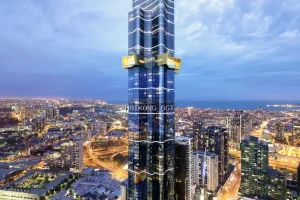

PRODUCT USED:
Heat-Bent Laminated Glass