
PRODUCT DETAILS
| Parameter | Specification |
|---|---|
| Product | Digital Printed Glass |
| Minimum Size (mm) | 300 × 300 |
| Maximum Size (mm) | 3300 × 10500 |
| Glass Thickness (mm) | 2 – 19 |
| Printing Resolution | Up to 1440 dpi |
| Ink Type | Inorganic ceramic ink, high-temperature fused; colorfast and non-peeling |
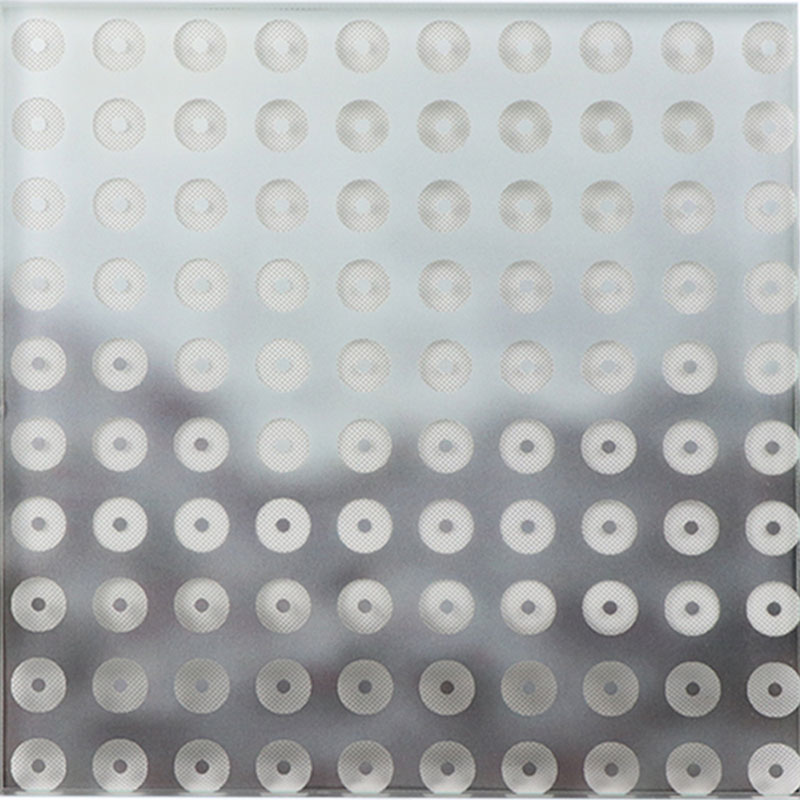
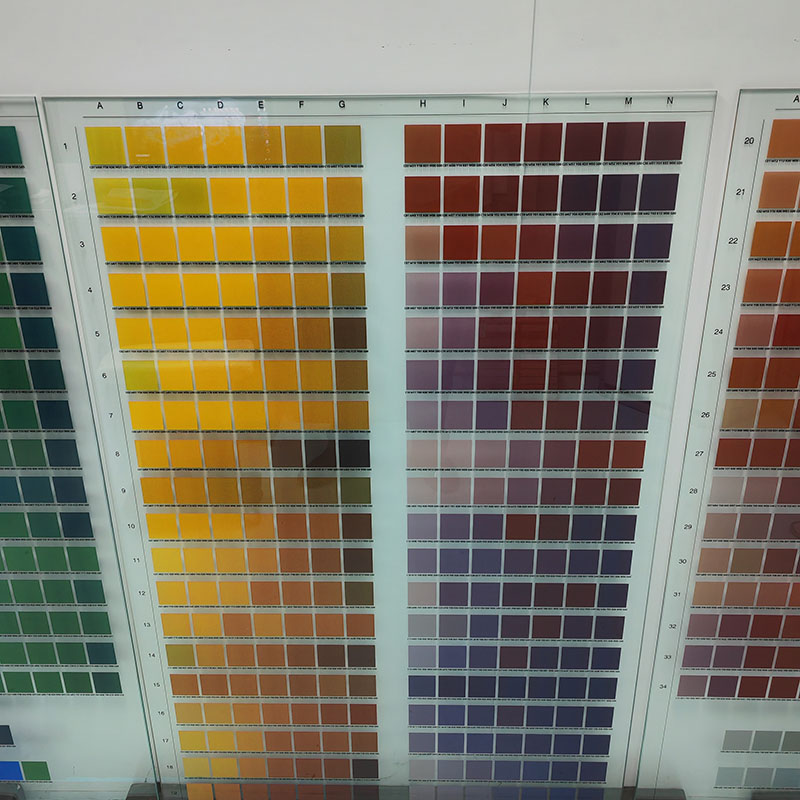
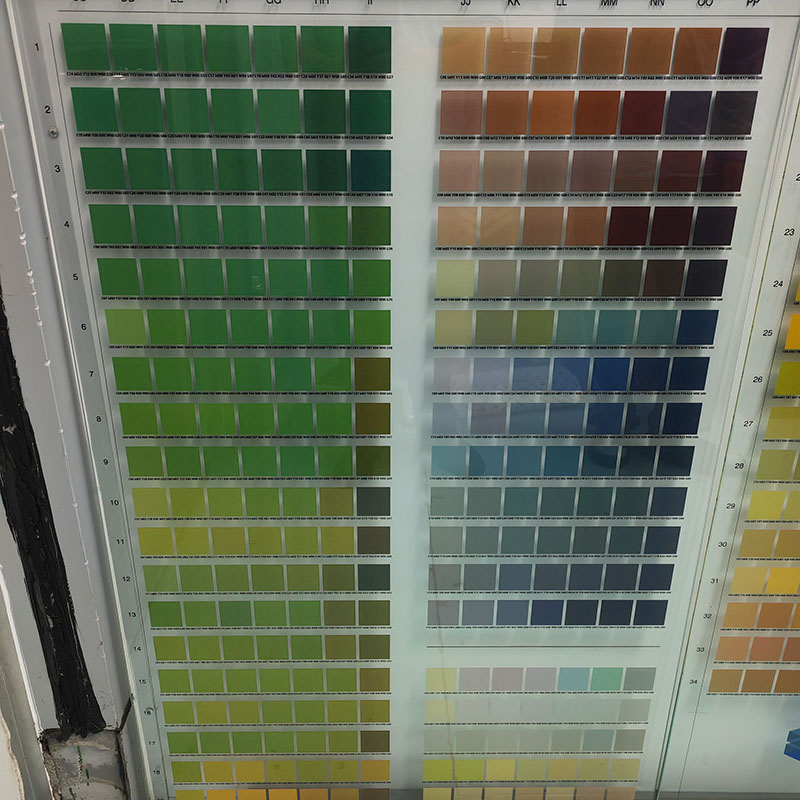
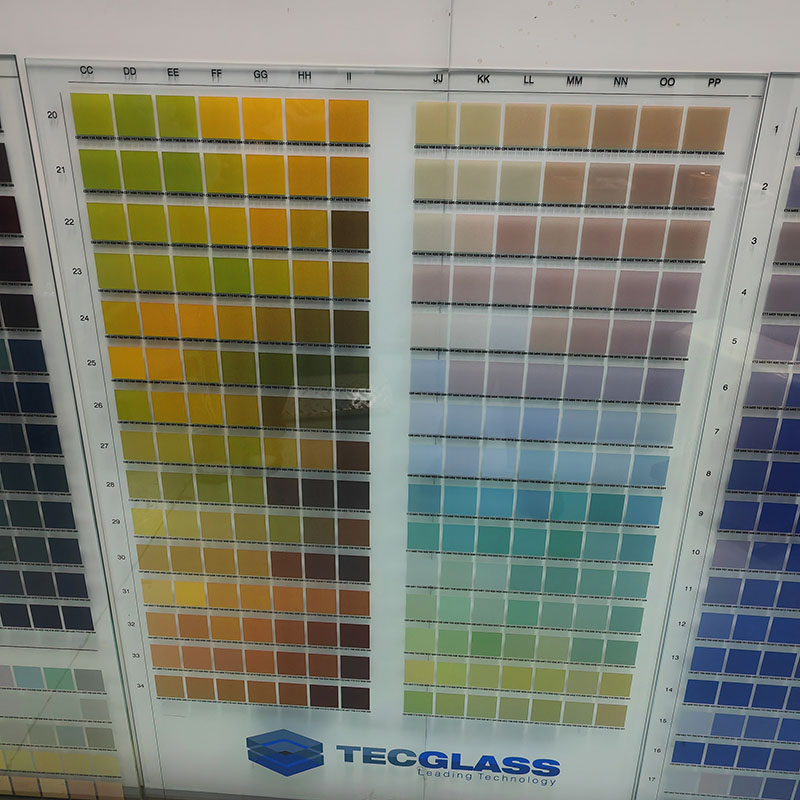
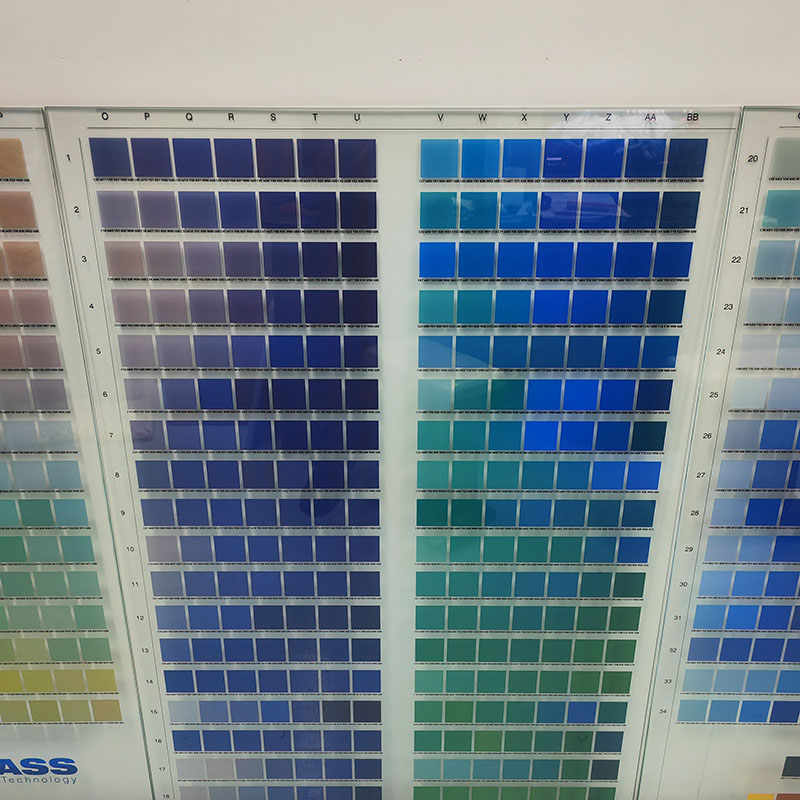
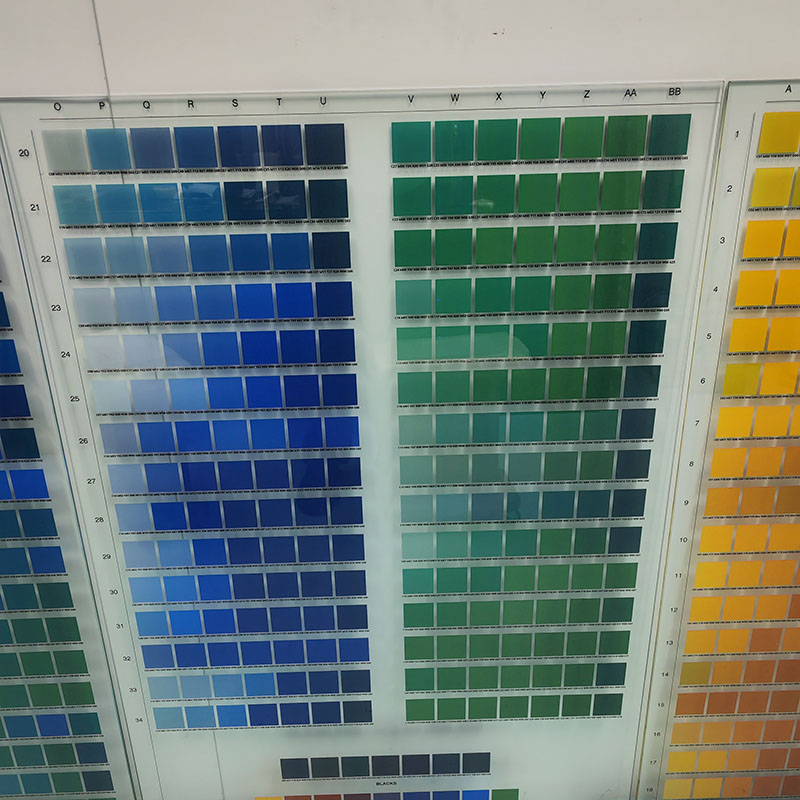
| Pattern Effect | High-definition images, artistic patterns, solid colors, gradients, and fully customizable designs |
| Processing Options | Available as tempered, insulating, or laminated glass |
| Performance | UV-resistant, acid & alkali resistant, scratch resistant, high safety, and long-term durability |
| Applications | Curtain walls, interior partitions, feature walls, decorative panels, and art projects |
PROCESSING ROUTE
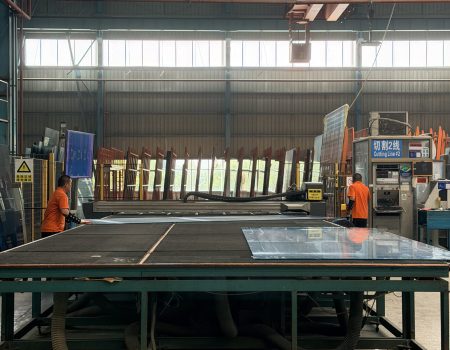
Cutting
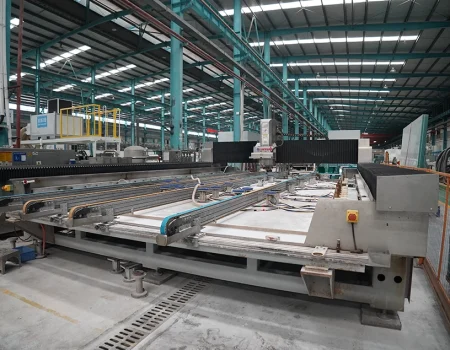
Edging
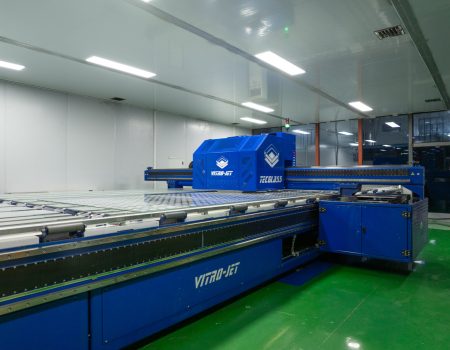
Digital Printing
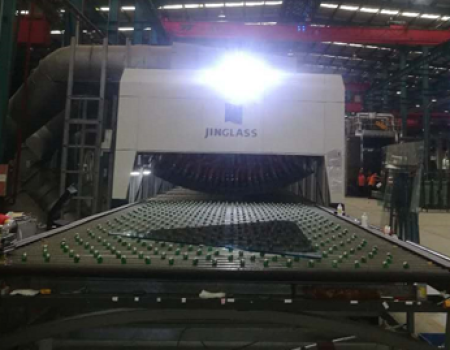
Tempering(optional)
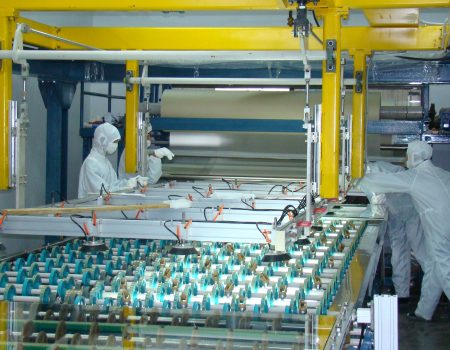
Laminating(optional)
Insulating(optional)
Digital Printed Glass: High-Definition Customization for Architectural Glazing
In modern architecture, glass is no longer just a transparent envelope. It has evolved into a medium for storytelling—displaying logos, patterns, gradients, artwork, and even photorealistic images. At the heart of this transformation lies digital printed glass, a technology that brings unlimited design freedom to building facades, interior partitions, spandrel panels, and decorative glazing.
As a leading glass deep-processing enterprise, we combine state‑of‑the‑art digital printing equipment with decades of architectural glass expertise. Our digital printed glass solutions deliver exceptional resolution, color fidelity, and durability—meeting the most demanding aesthetic and technical requirements of contemporary construction projects.
What Is Digital Printed Glass?
Digital printed glass refers to flat or bent glass onto which custom designs, patterns, images, or solid colors are applied using advanced inkjet printing technology. Unlike conventional screen printing, digital printing does not require physical screens or stencils. Instead, computer‑controlled printheads deposit tiny droplets of ceramic or UV‑curable ink directly onto the glass surface, enabling unlimited color variations, smooth gradients, and photo‑quality detail.
The result is a versatile architectural glazing product that combines transparency, safety, and artistic expression—without compromising performance.
Why Choose Digital Printed Glass Over Traditional Methods?
Traditional glass decoration methods—such as screen printing, ceramic frit application, or vinyl films—come with inherent limitations. Screen printing requires a separate screen for each color, making multi‑color or gradient designs costly and time‑consuming. Vinyl films can peel, scratch, or degrade under sunlight. Digital printing overcomes these challenges by offering:
Unlimited colors and gradients: Any RGB or Pantone color is achievable, including smooth transitions.
Photo realistic resolution: Fine details down to 1440 dpi produce sharp text, images, and patterns.
No setup costs per design: Each panel can be different without extra tooling.
Durable, weather‑resistant finish: With ceramic inks fused into the glass, the print becomes permanent.
Our Digital Printing Technology: Tecglass Vitro Jet P8
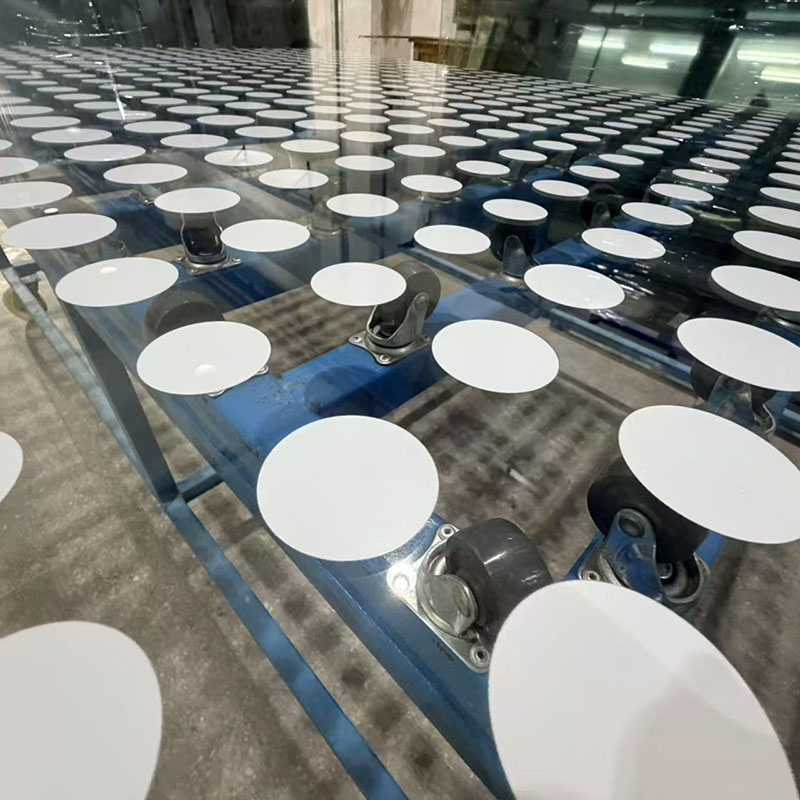
To deliver world‑class digital printed glass, we have invested in the Vitro Jet P8 from Tecglass SL (Spain) —one of the most advanced digital glass printing systems available today. This industrial‑grade printer combines high‑speed output with exceptional print quality, specifically engineered for architectural glass processing.
Key Technical Specifications
| Parameter | Capability |
|---|---|
| Print resolution | Up to 1440 dpi – photo‑quality detail |
| Glass thickness range | 2 mm – 19 mm |
| Maximum print size | 3,300 mm × 10,500 mm (single panel) |
| Minimum print size | 300 mm × 300 mm |
| Printhead technology | Piezoelectric inkjet (ceramic or UV inks) |
| Ink type | Ceramic frit (for exterior durability) or UV‑curable (for interior) |
| Color management | Full CMYK + white, optional spot colors |
With a maximum printing area of 3.3 meters by 10.5 meters, our digital printed glass can accommodate oversized architectural panels—ideal for seamless facade cladding, large spandrel sections, and monumental interior installations.
1440 dpi: What It Means for Your Project
Resolution is measured in dots per inch (dpi). Standard screen printing typically delivers 150–300 dpi. At 1440 dpi, our Vitro Jet P8 produces exceptionally fine details—crisp text, smooth gradients, and photographic images that remain sharp even when viewed up close. This level of resolution is particularly valuable for:
Brand logos and signage viewed from pedestrian level
Intricate geometric or nature‑inspired patterns
Digital reproductions of artwork or murals
Gradient frits that mimic natural textures (wood, stone, fabric)
Digital Printed Glass: Ceramic vs. UV Inks
We offer two ink technologies, each suited to different applications:
Ceramic Digital Printing (Permanent / Exterior)
Ceramic inks are composed of glass frit particles mixed with inorganic pigments. After printing, the glass undergoes tempering or heat‑strengthening (typically at 650–700°C). During this process, the ceramic ink fuses into the glass surface, becoming an integral part of the material.
Advantages of ceramic digital printed glass:
Permanent: Will not peel, flake, or fade under UV exposure.
Scratch‑resistant: As hard as the glass itself.
Weather‑proof: Resists salt spray, acid rain, and cleaning chemicals.
Temperable: The print can be applied before tempering, producing safety glass.
UV Digital Printing (Flexible / Interior)
UV‑curable inks are printed onto finished glass (including already tempered glass) and instantly cured with ultraviolet light. The ink forms a thin, durable layer on the surface but is not fused into the glass.
Advantages of UV digital printed glass:
Post‑tempering application: Ideal for retrofits or small‑batch projects.
Lower minimum order: No need for high‑temperature processing.
Fast turnaround: No firing cycle required.
Recommendation: For exterior facades, spandrel glass, and any application exposed to direct sunlight or weather, ceramic digital printing is the only suitable choice. For interior decorative partitions, backsplashes, or furniture, UV printing offers excellent quality at a lower cost.
Design Freedom: What Can You Print?
With digital printed glass, virtually any design is possible:
Solid colors – exact Pantone or RAL matches for spandrel or privacy glass
Gradients – smooth transitions from opaque to transparent
Geometric patterns – lines, dots, grids, honeycombs, custom tessellations
Organic motifs – leaves, water ripples, marble, wood grain
Logos and text – sharp, readable, any size
Photographic images – portraits, landscapes, cityscapes
Frit patterns – ceramic dots or stripes for solar control
Custom QR codes or barcodes – for interactive building facades
Because the printer uses a full CMYK + white ink set, we can reproduce millions of colors with exceptional accuracy. White ink is particularly useful for creating opaque backgrounds, backlit displays, or designs that require a solid base on clear glass.
Applications of Digital Printed Glass in Architecture
Digital printed glass is used across a wide range of architectural and interior applications:
Exterior Applications
| Application | Why Digital Printed Glass |
|---|---|
| Spandrel glass | Match opaque spandrel areas to vision glass color; create uniform facade appearance |
| Curtain wall cladding | Custom patterns, branding, or artistic murals on building envelopes |
| Balcony railings | Privacy patterns combined with safety glass |
| Facade fritting | Ceramic dot patterns for solar control while maintaining views |
| Canopies and skylights | Decorative printed glass overhead with safety lamination |
Interior Applications
| Application | Why Digital Printed Glass |
|---|---|
| Office partitions | Company logos, wayfinding graphics, or translucent gradients for privacy |
| Retail storefronts and displays | Brand messaging, product imagery, seasonal decorations |
| Lobby feature walls | Large‑format photorealistic murals on glass panels |
| Bathroom and shower enclosures | Decorative patterns or frosted effects |
| Kitchen backsplashes | Custom designs, tile patterns, or solid colors |
| Elevator interiors | Durable, easy‑to‑clean printed glass panels |
Specialty Applications
Back‑painted glass alternative: Digital printing offers unlimited colors without the risk of paint peeling.
Museum and exhibition glazing: Printed information or graphics directly on protective glass.
Healthcare facilities: Calming nature scenes printed on partitions or wall cladding.
Hospitality (hotels, restaurants): Custom artwork, ambient patterns, or brand storytelling.
Digital Printed Glass vs. Traditional Screen Printing: A Comparison
| Feature | Digital Printed Glass | Screen Printing |
|---|---|---|
| Color range | Unlimited / full CMYK + white | Limited (typically 4–6 colors per screen) |
| Gradients | Smooth, continuous | Not possible (halftone approximation only) |
| Setup cost per design | None | High (screen creation for each color) |
| Economical for small batches | Yes (1–10 panels) | No (requires large volume) |
| Photo‑quality images | Yes (1440 dpi) | No |
| Panel‑to‑panel variation | Each panel can be unique | All panels identical |
| Durability (ceramic) | Permanent, UV‑stable, scratch‑proof | Same (ceramic screen inks also durable) |
| Maximum panel size | Up to 3300×10500 mm (single pass) | Limited by screen size |
| Lead time for new design | Minutes (digital file) | Days (screen making) |
For projects that demand high‑mix, low‑volume customization, frequent design changes, or photo‑realistic imagery, digital printed glass is the superior choice.
Durability and Performance: Ceramic Digital Printing
When ceramic inks are fired during tempering, the resulting digital printed glass meets the same durability standards as traditional ceramic frit glass:
UV resistance: No fading or yellowing after accelerated weathering tests (ASTM G155).
Abrasion resistance: Hardness comparable to glass; passes ASTM C1893 (oscillating sand method).
Chemical resistance: Unaffected by mild acids, alkalis, and standard glass cleaners.
Adhesion: No peeling or delamination—the ink is fused into the glass matrix.
Safety glass compatibility: Can be tempered to become safety glass (EN 12150 / ASTM C1048).
For projects requiring laminated glass, digital ceramic printing can be applied to the inner surface of the outer lite, then laminated with PVB or SGP, protecting the print from physical contact.
Customization Workflow: From Concept to Finished Glass
Our digital printed glass process is designed for seamless collaboration with architects and designers:
Design submission: Provide vector (AI, PDF, CDR) or high‑resolution raster (TIFF, PNG) files. Pantone, RAL, or RGB colors can be specified.
Color proofing: We produce small‑scale printed samples on glass for color approval.
Production printing: The approved file is printed on our Vitro Jet P8 at up to 1440 dpi, using ceramic or UV inks.
Tempering (if ceramic): The printed glass is heat‑treated, fusing the ink and creating safety glass.
Further processing: Optional lamination, insulating glass unit (IGU) assembly, or bending.
Quality inspection: Automated optical inspection verifies print registration, color accuracy, and absence of defects.
Packaging and delivery: Glass is interleaved, crated, and shipped to site.
Why Choose Our Digital Printed Glass?
As a Top 10 Chinese glass deep‑processing enterprise, we combine industrial‑scale capabilities with architectural‑grade quality:
Large‑format printing: Up to 3300×10500 mm—suitable for jumbo facade panels.
Thickness range: 2 mm to 19 mm, covering interior partitions to structural glazing.
High resolution: 1440 dpi for sharp text and photorealistic images.
Proven technology: Tecglass Vitro Jet P8 — trusted by leading glass processors worldwide.
Ceramic durability: Exterior‑grade prints that last as long as the glass itself.
Integrated processing: In‑house tempering, laminating, insulating, and bending.
Whether you need a single custom reception panel or a full facade with thousands of unique printed glass units, we have the equipment and experience to deliver.
Conclusion
Digital printed glass has redefined what is possible with architectural glazing. With unlimited colors, photorealistic detail, and permanent durability (when using ceramic inks), it empowers architects to turn building envelopes into works of art—without compromising safety or performance.
Our Vitro Jet P8 digital printing line, with its 1440 dpi resolution and 3300×10500 mm capacity, positions us as a premier partner for projects that demand the highest level of customization. From spandrel glass that perfectly matches vision glass, to lobby murals that tell a story, to exterior frit patterns that manage solar heat gain while expressing a brand identity—we deliver digital printed glass that exceeds expectations.
Contact us to discuss your next project. Provide your artwork, and we will bring it to life on glass.
References
Tecglass. “Vitro Jet P8 – Digital Glass Printer.” Available at: https://www.tecglass.com/en/products/vitro-jet-p8
Dip-Tech (now part of Fenzi Group). “Digital Ceramic Glass Printing.” Available at: https://www.dip-tech.com
Glass on Web. “Digital Printing on Glass – Technology Overview.” Available at: https://www.glassonweb.com
ASTM C1893 – Standard Test Method for Abrasion Resistance of Printed Glass.


Reviews
There are no reviews yet.