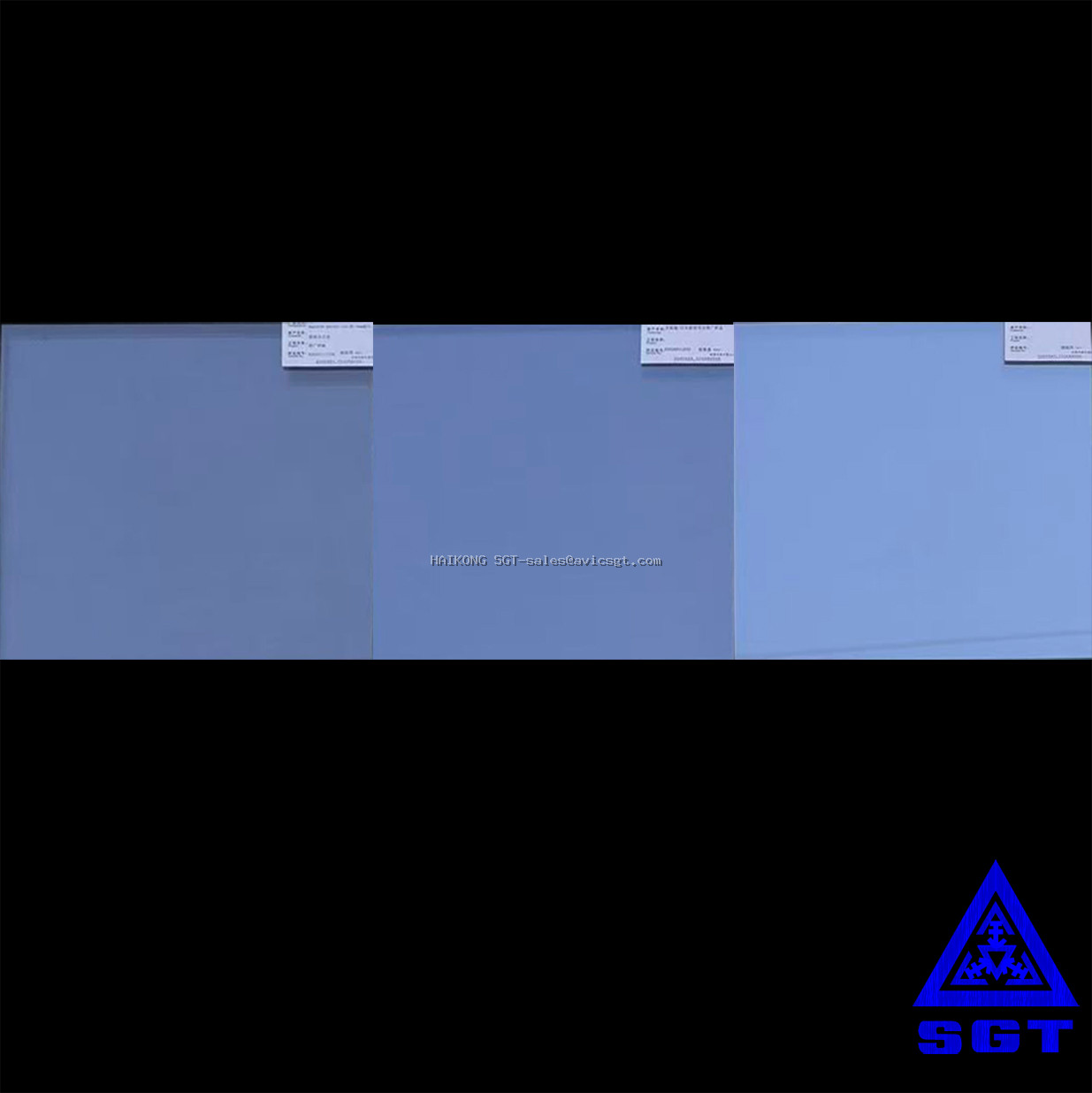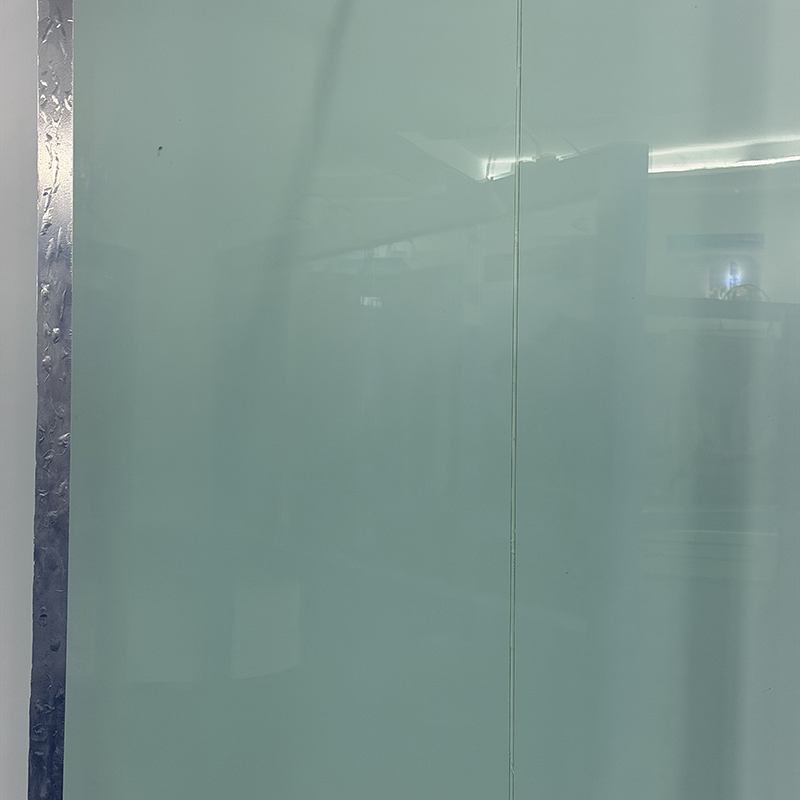
Switchable glass can help create flexible spaces by changing the appearance or light transmission of a glazed panel. For architects, developers and contractors, the right choice depends on the intended function: visual privacy, adjustable tint, glare management or solar control. These functions are not the same, and a product marketed as smart glass should not automatically be assumed to improve a building’s thermal performance.
For projects in the Middle East, switchable glass may be considered for offices, hotels, meeting rooms and selected residential applications. This guide explains the main technologies, their practical limitations and the specifications to confirm before choosing a product for your project.
What Is Smart Glass?
Smart glass is a broad category of glazing that changes its optical properties in response to electrical control or other external conditions. Depending on the technology, the glass may switch between transparent and translucent states, change its tint, or adjust the amount of light entering a space.
Unlike conventional laminated or tempered glass, smart glass incorporates a functional technology designed to change its optical performance. Its exact capabilities depend on the product structure and control system.
Types of Smart Glass for Buildings
Before selecting smart glass for buildings, identify the performance you need.
- PDLC smart glass: Polymer-dispersed liquid crystal technology commonly switches between a transparent state and a translucent privacy state. It suits meeting rooms, office partitions and interior glazing where visual privacy is the main objective.
- SPD smart glass: Suspended particle devices adjust light transmission through electrical control. Depending on the product, they can provide variable shading for windows and other glazed areas.
- Electrochromic glass: An electrochromic layer changes its optical properties when voltage is applied. It is commonly used for dynamic tinting and solar control in suitable building applications.
These technologies are not interchangeable. For example, translucent PDLC glass can provide privacy, but it should not automatically be treated as a solar-control solution. If reducing solar heat gain is your priority, compare the relevant solar and thermal performance data.
How Does Switchable Glass Work?
Electrically controlled switchable glass may require a power supply, controller, wiring and compatible switching or automation controls. Requirements vary by product.
Follow these steps when evaluating a proposed system:
- Define the purpose: Decide whether you need privacy, adjustable tint, glare management or a combination of functions.
- Confirm the technology: Match PDLC, SPD or electrochromic glass to the intended use.
- Review performance data: Request applicable light-transmission, solar and thermal specifications.
- Check system integration: Confirm the power supply, controls, wiring and installation interfaces.
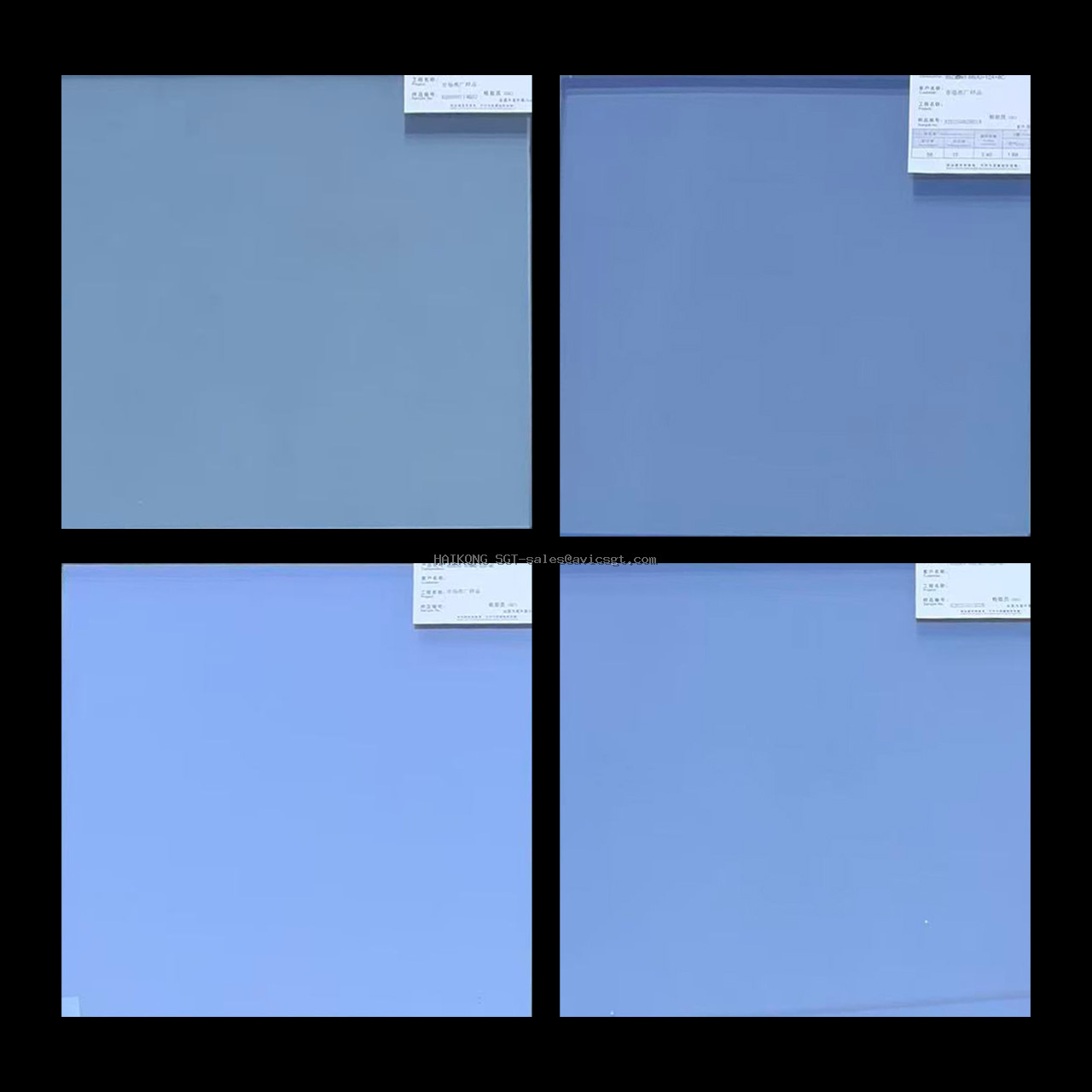
- Approve a sample: Review appearance, switching behavior and compatibility with the planned glass assembly before production.
Applications of Smart Glass in the Middle East
Smart glass can support different architectural requirements across the UAE, Saudi Arabia and other Middle Eastern markets.
- Offices and meeting rooms: Switchable privacy glazing helps teams change between open and private meeting spaces.
- Hotels: Guest bathrooms, executive suites and selected partitions may benefit from controllable privacy, subject to layout and user requirements.
- Medical facilities: Suitable privacy glazing can support selected consultation rooms and interior partitions when hygiene, safety and applicable healthcare requirements are addressed.
- High-end residences and villas: Smart glazing can provide privacy in selected rooms while supporting contemporary interior design.
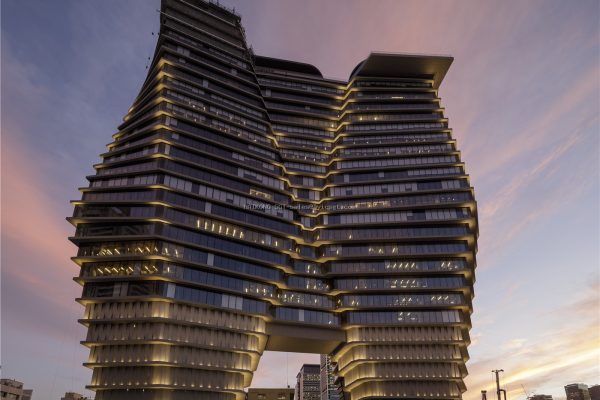
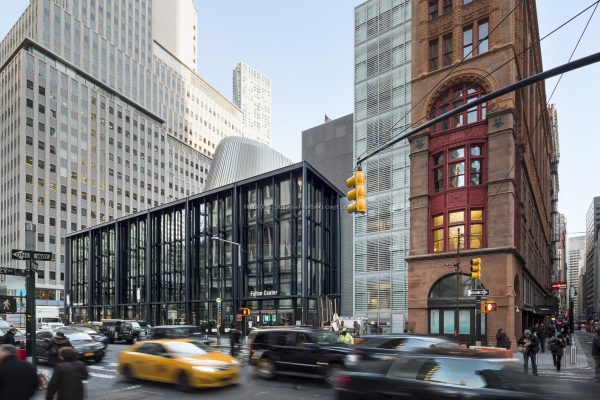
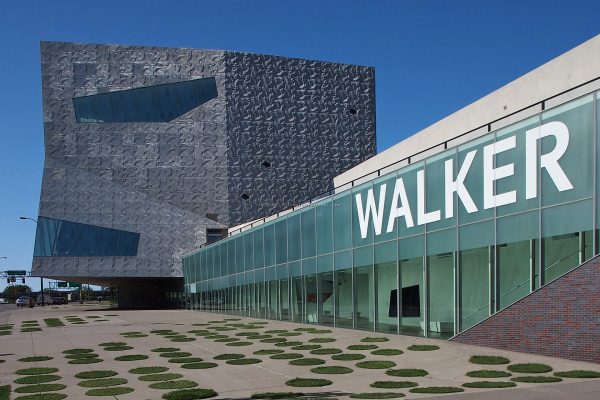
- Building facades: Appropriate tinting technologies may help manage daylight and solar exposure, depending on verified product performance and the overall glazing design.
In hot climates, you should assess solar heat gain, glare, daylight and insulation separately. A privacy function alone does not establish that a glass system will lower cooling costs.
Benefits and Limitations of Smart Glass
Smart glass offers several practical advantages, but the technology also introduces additional requirements.
| Consideration | Potential benefit | Limitation |
|---|---|---|
| Privacy | Changes the visual privacy of selected spaces | Translucent glass may still transmit light and silhouettes |
| Daylight | Supports controlled light transmission with suitable technologies | Performance varies by product and state |
| Solar control | Some technologies support dynamic shading | Not every privacy glass product controls solar heat |
| Automation | Can integrate with suitable building controls | Requires compatible electrical components |
| Maintenance | Reduces the need for some physical blinds | Electrical components and control systems may need servicing |
| Cost | May combine privacy or shading functions in one system | Initial and installation costs can exceed conventional glazing |
You should compare the full installed system rather than the glass alone, including controls, electrical work, installation and maintenance.

How to Choose Smart Glass for Your Project
Your specification should address six areas:
- Size and thickness: Confirm panel dimensions, total assembly thickness and processing limits.
- Glass construction: Select the appropriate combination of glass plies, interlayers, coatings and insulating units.
- Optical performance: Review visible light transmission, haze, clarity and switching behavior.
- Thermal performance: Request relevant solar and insulation data if heat control is important.
- Electrical controls: Confirm voltage, controller requirements, wiring and building automation compatibility.
- Safety and installation: Check applicable building codes, impact requirements, support systems, edge details and installation conditions.
Do not select a product solely because it is marketed as smart glass. Require technical documents that correspond to the exact proposed assembly.
Smart Glass Specifications and Customization
Customization depends on the technology, glass structure, processing equipment and project requirements. Relevant parameters may include overall dimensions, thickness, glass type, interlayer selection, electrical interfaces and control configuration.
HAIKONG SGT, also known as Guangdong Haikong Special Glass Technology Co., Ltd., reports more than 30 years of glass deep-processing experience, with its business origins dating to 1994. Its stated capabilities include special laminated glass using PET film, aluminum mesh and copper mesh, with customizable multilayer constructions.
For its listed special laminated glass, SGT provides a maximum size of 3300 × 18000 mm and a thickness range of 6–80 mm. These specifications apply to the described special laminated glass product, not automatically to smart glass. Confirm the maximum size and thickness available for the actual switchable technology and assembly you intend to use.
Why Work with an Architectural Glass Manufacturer?
An experienced architectural glass manufacturer can help you coordinate processing requirements, product documentation, quality checks, packaging and export delivery. These capabilities matter when a project involves custom dimensions or multiple glass-processing steps.
HAIKONG SGT reports having optical and photothermal testing equipment, including a Fourier Transform Infrared Spectrometer, Lambda 1050+ spectrophotometer, 60° angle optical tester and CM700D portable color difference meter. These instruments support relevant optical, thermal and color evaluations; you should still request the specific test reports and applicable certifications required for your project.
Before placing an order, confirm the manufacturer’s experience with your chosen smart glass technology, the available test evidence, sample approval procedures and installation responsibilities.
FAQ
What is the difference between smart glass and switchable glass?
Smart glass is the broader term for glazing that changes its properties through a technology or external condition. Switchable glass usually refers more specifically to glass that changes between defined optical states, such as transparent and translucent.
Does smart glass require electricity, and does it reduce heat?
Electrically controlled switchable glass requires a compatible power supply and control system. Its state during a power interruption depends on the technology and product design. Heat and glare performance also vary: PDLC is commonly selected for privacy, while suitable SPD and electrochromic products may support light or solar control. Always compare verified performance data.
Can smart glass be customized for projects in the UAE and Saudi Arabia?
Customization may be possible for dimensions, thickness, glass construction and controls, but the available range depends on the selected product and manufacturer. For hot-climate projects, confirm the required privacy, solar, thermal and safety performance before approving the final specification.
Conclusion
Choosing switchable special glass starts with a clear understanding of your project’s needs. PDLC, SPD and electrochromic technologies serve different purposes, so compare their optical behavior, solar performance, electrical requirements and safety specifications before making a decision. For projects in the Middle East, a well-defined specification helps you balance privacy, daylight, thermal performance and installation requirements.
Discuss Your Architectural Glass Requirements with HAIKONG SGT
Contact HAIKONG SGT to discuss your glass-processing requirements, review available product specifications and determine whether its manufacturing capabilities fit your project. Share your intended application, approximate panel dimensions, required glass construction and performance targets to support a more focused technical discussion.