

Special Laminated Glass
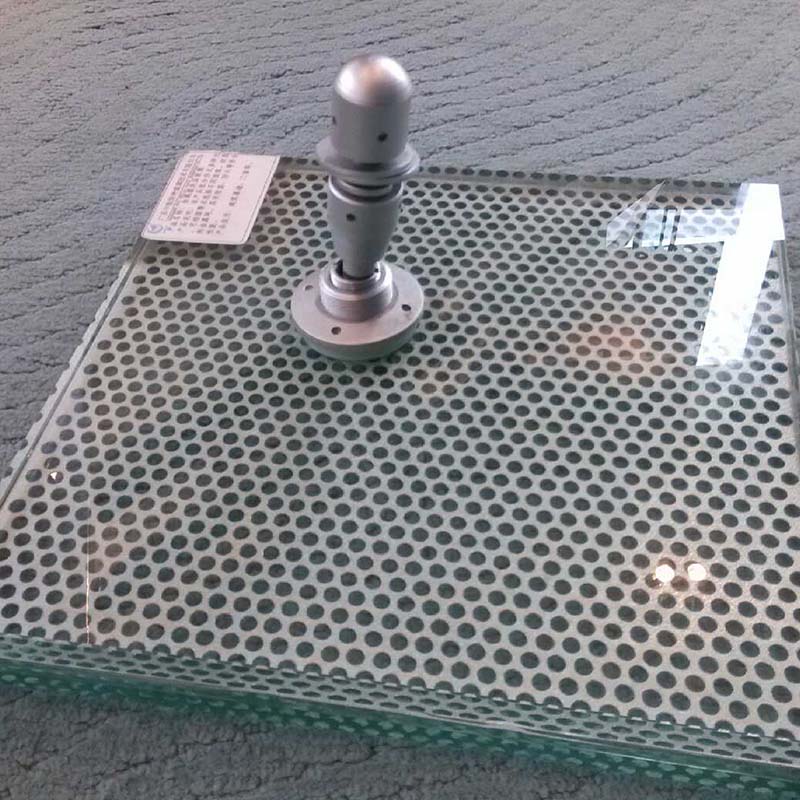
PET Laminated GlassA safety glass product composed of two or more glass sheets bonded with PET (Polyethylene Terephthalate) interlayers via high-temperature and high-pressure lamination. PET film offers excellent impact resistance, weatherability, and clarity, enhancing the glass’s safety and sound insulation for applications in building windows, railings, and interior design.
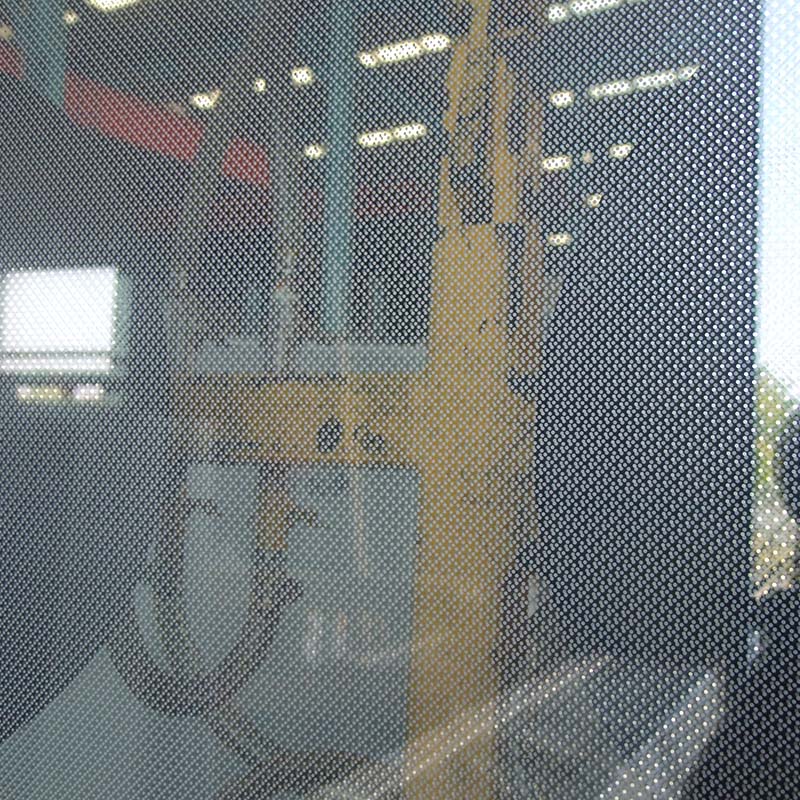
Laminated Glass with Aluminum MeshA specialized laminated glass embedded with aluminum mesh between glass layers, combining the safety features of laminated glass with electromagnetic shielding and anti-riot protection from the metal mesh. Ideal for buildings, laboratories, and industrial facilities with high electromagnetic compatibility or security requirements.
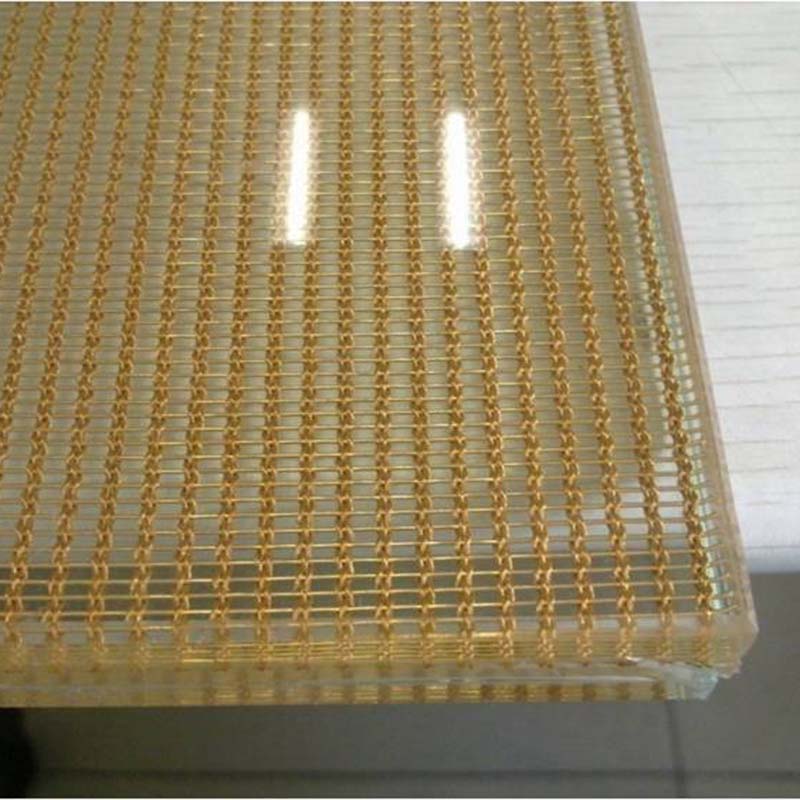
Laminated Glass with Copper MeshA laminated glass embedded with copper mesh, providing efficient electromagnetic shielding, anti-static, and conductive properties while maintaining transparency. Commonly used in data centers, medical facilities, and precision instrument rooms where strict electromagnetic control is required.
PRODUCT DETAILS
| Parameter | Specification |
|---|---|
| Maximum Size | 3300 mm × 18000 mm |
| Thickness Range | 6–80 mm |
| Minimum Size | No explicit lower limit; customizable based on project requirements (subject to lamination process and mold capabilities) |
| Interlayer / Mesh Options | PET film, aluminum mesh, copper mesh, etc. |
| Layer Configurations | Customizable 2-ply, 3-ply, 4-ply, and multi-ply composite structures |
PROCESSING ROUTE
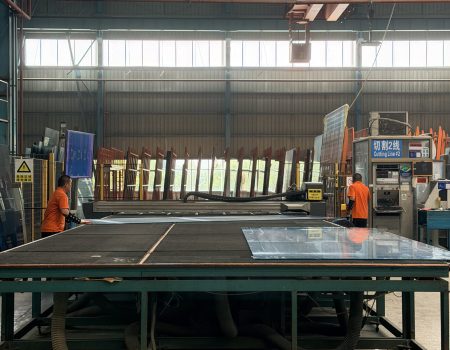
Cutting
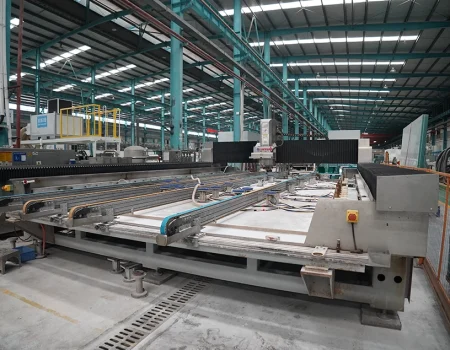
Edging
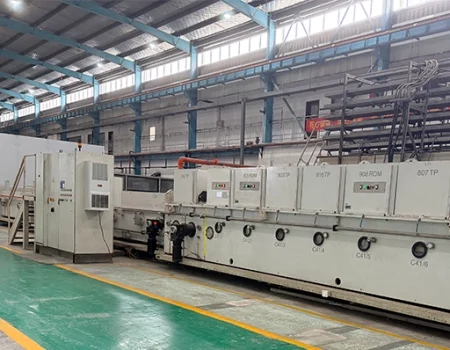
Coating((optional))
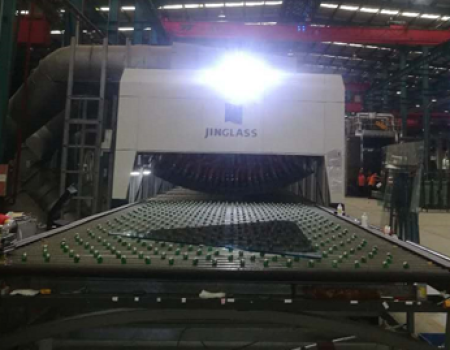
Tempering(optional)
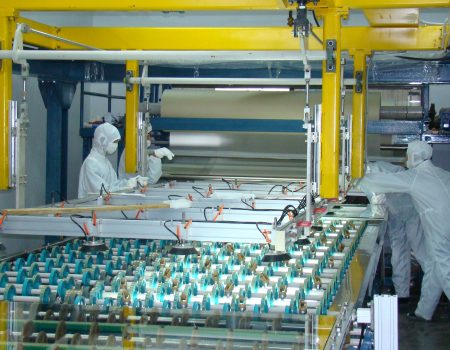
Laminating
Insulating(optional)
Special Laminated Glass: PET Interlayer & Metal Mesh Laminates for Safety, Shielding and Design
Standard laminated glass uses PVB or SGP as interlayers. It has long been the benchmark for safety glazing. However, some architectural and industrial applications demand more than impact resistance and UV protection.
They require electromagnetic shielding, anti-static performance, riot-grade security, or ultra-lightweight interlayers with high clarity.
Therefore, special laminated glass meets these advanced requirements.
Manufacturers replace conventional polymer interlayers with PET (Polyethylene Terephthalate). In some cases, they also embed aluminum mesh or copper mesh between glass plies.
As a result, the glass not only holds fragments after breakage. It also blocks electromagnetic interference, reduces static charge, or withstands violent impacts.
This guide explains two main types of special laminated glass:
- PET-based laminated glass
- Metal-mesh laminated glass
It also covers their characteristics, advantages, and applications.
Part 1: PET Laminated Glass – Lightweight Strength and Acoustic Performance
What Is PET Laminated Glass?
PET laminated glass is a safety glass product. It uses two or more glass sheets. These sheets bond together with PET (polyethylene terephthalate) film interlayers.
Manufacturers use the same high-temperature and high-pressure autoclave process used in PVB lamination. However, they replace PVB with engineered PET film.
PET belongs to the polyester family. It is widely used in security films, magnetic tape, and food-grade bottles.
For glass lamination, manufacturers engineer PET to provide high optical clarity, strong tensile strength, and excellent weather resistance. In addition, PET delivers strong acoustic damping.
How PET Laminated Glass Is Made
The production process follows several steps.
First, manufacturers cut glass sheets to final size. They then grind and polish edges. If needed, they also drill holes or notches.
Next, they place one or more PET film layers between glass plies. The PET thickness usually ranges from 0.15 mm to 0.50 mm per layer.
After that, workers pass the assembly through nip rollers. This step removes trapped air and completes pre-lamination.
Then, manufacturers place the glass sandwich into an autoclave. They heat it to 120–140°C and apply 10–12 bar pressure.
As a result, the PET interlayer bonds permanently with the glass.
Finally, technicians cool the laminated glass. They inspect optical quality and edge integrity.
Manufacturers can also combine PET with PVB layers. This allows performance customization.
Key Advantages of PET Laminated Glass
| Property | PET Laminated Glass | PVB Laminated Glass |
|---|---|---|
| Tensile strength | Very high (≈150–200 MPa) | Moderate |
| Tear resistance | Excellent | Good |
| Stiffness | High | Low to moderate |
| Optical clarity | Excellent (haze <1%) | Excellent |
| UV stability | Very good | Good |
| Weather resistance | Outstanding | Good |
| Acoustic insulation | Superior | Good |
| Cost | Moderate | Lower |
Why Choose PET Laminated Glass?
1. High impact resistance and post-breakage strength
PET film provides very high tear strength. Even after glass breaks, the interlayer holds fragments tightly.
As a result, the structure still resists penetration. Therefore, PET laminated glass works well in security environments.
2. Strong weather resistance
PET resists moisture, salt spray, and UV radiation.
In contrast to some PVB systems, PET maintains stable bonding over time. This makes it suitable for coastal and humid environments.
3. Excellent acoustic performance
PET absorbs vibration effectively. Therefore, it reduces sound transmission.
As a result, PET laminated glass performs well in noisy environments such as airports and highways.
4. Lightweight design flexibility
PET achieves high strength without excessive thickness.
Therefore, engineers can design thinner laminates while maintaining security performance.
5. High optical clarity
PET film provides very low haze and high transparency.
As a result, it is suitable for display systems, showrooms, and architectural glazing.
Applications of PET Laminated Glass
- High-crime or vandal-prone building windows
- Glass railings and balustrades
- Retail storefronts and commercial glazing
- Acoustic windows near airports or highways
- Office interior partitions
- Museum display cases
Part 2: Laminated Glass with Metal Mesh – Electromagnetic Shielding and Anti-Riot Protection
Conventional laminated glass cannot meet electromagnetic shielding or riot-grade requirements. Therefore, manufacturers developed laminated glass with metal mesh.
This solution embeds aluminum or copper mesh between glass plies. As a result, the glass gains electromagnetic shielding, anti-static behavior, and higher impact resistance.
How Metal Mesh Laminated Glass Is Made
Manufacturers first prepare fine metal mesh. They typically use aluminum or copper wire cloth.
Engineers select mesh size, wire diameter, and weave pattern based on required shielding performance.
Next, they place the mesh between glass sheets. They also add PVB, PET, or SGP interlayers.
Then, the assembly enters an autoclave. Heat and pressure permanently bond all layers.
As a result, the metal mesh becomes fully embedded inside the glass.
Laminated Glass with Aluminum Mesh
Aluminum mesh offers lightweight structure and moderate electromagnetic shielding.
It is suitable for low-frequency EMI environments.
Key characteristics:
- Provides 20–40 dB shielding effectiveness
- Reduces electromagnetic interference
- Offers lightweight structure
- Resists corrosion in humid environments
- Maintains moderate transparency
- Improves anti-riot strength
Applications:
- Industrial control rooms
- Electrical substations
- Laboratory environments
- Prison and detention glazing
- Government buildings
Laminated Glass with Copper Mesh
Copper mesh provides higher conductivity and stronger shielding performance.
It works well for high-frequency electromagnetic protection.
Key characteristics:
- Provides 40–80+ dB shielding effectiveness
- Blocks RF, WiFi, and microwave signals
- Supports grounding for static control
- Maintains good transparency
- Heavier than aluminum mesh
- Requires edge sealing protection
Applications:
- Data centers and server rooms
- MRI and CT scan rooms
- Defense and government facilities
- EMC testing laboratories
- High-power RF industrial environments
Aluminum vs Copper Mesh Comparison
| Property | Aluminum Mesh | Copper Mesh |
|---|---|---|
| Shielding | Moderate | High |
| Frequency range | Low frequency | Broad spectrum |
| Conductivity | Good | Excellent |
| Weight | Light | Heavy |
| Corrosion resistance | High | Medium |
| Cost | Moderate | Higher |
Hybrid PET + Metal Mesh Laminated Glass
Manufacturers can combine PET interlayers with metal mesh structures.
As a result, the glass gains multiple performance layers:
- High tear resistance (PET)
- Electromagnetic shielding (metal mesh)
- Acoustic damping (PET)
- Anti-riot reinforcement (mesh)
This hybrid solution is used in:
- Government security facilities
- Military command centers
- Critical infrastructure control rooms
Summary: Choosing the Right Special Laminated Glass
| Requirement | Recommended Type |
|---|---|
| Impact resistance + acoustic insulation | PET laminated glass |
| Outdoor durability | PET laminated glass |
| Moderate EMI + anti-riot | Aluminum mesh glass |
| High-frequency EMI shielding | Copper mesh glass |
| Anti-static performance | Copper mesh (grounded) |
| Maximum security + shielding | PET + mesh hybrid |
Conclusion
Special laminated glass expands the performance limits of traditional safety glazing.
PET laminated glass delivers high strength, excellent clarity, and strong acoustic insulation. Therefore, it is ideal for demanding environmental conditions.
Metal mesh laminated glass provides electromagnetic shielding and anti-riot performance. As a result, it protects both physical spaces and sensitive electronic systems.
Whether the application involves retail security, medical shielding, or data center protection, special laminated glass provides tailored engineering solutions.
DEEP PROCESSING GLASS
Customized, Reliable and High-Performance for Global Projects
Deep-processed glass integrates safety, energy saving, sound insulation, aesthetics and multi-functional pro-tection. Through precise technologies including tempering, laminating insulating, heat bending, ceramic friting,digital printing, bird-safe, frosted and bulletproof processing, it greatly improves glass strength, thermal perfor-mance ond safety. It mects the multiple demands of modern architecture for high-end customization, greenenergy saving, safety, reliability and artistic aesthetics, and is widely used in lancmark facades, commercialspaces, high-end residences and special security scenarios.
INDUSTRYIENGINEERING CASES
Strength, Safety and Aesthetics in Every Piece


PRODUCT USED:
Low-e tempered laminated and insulated glass