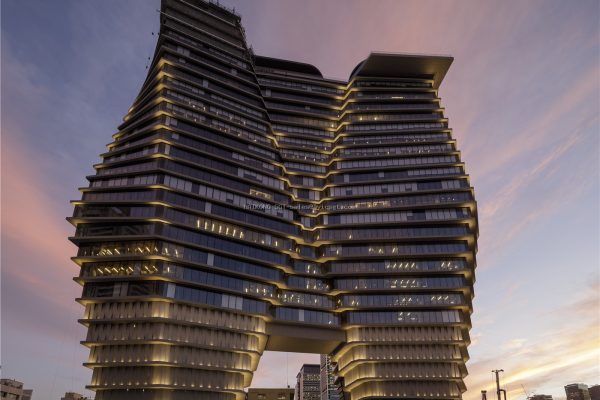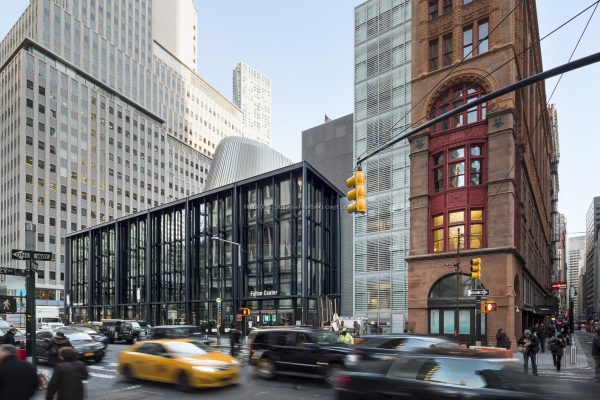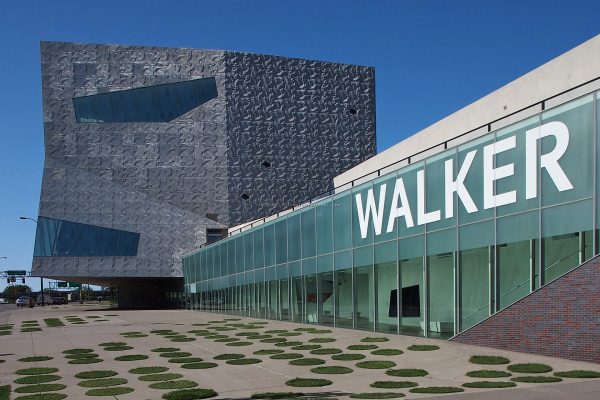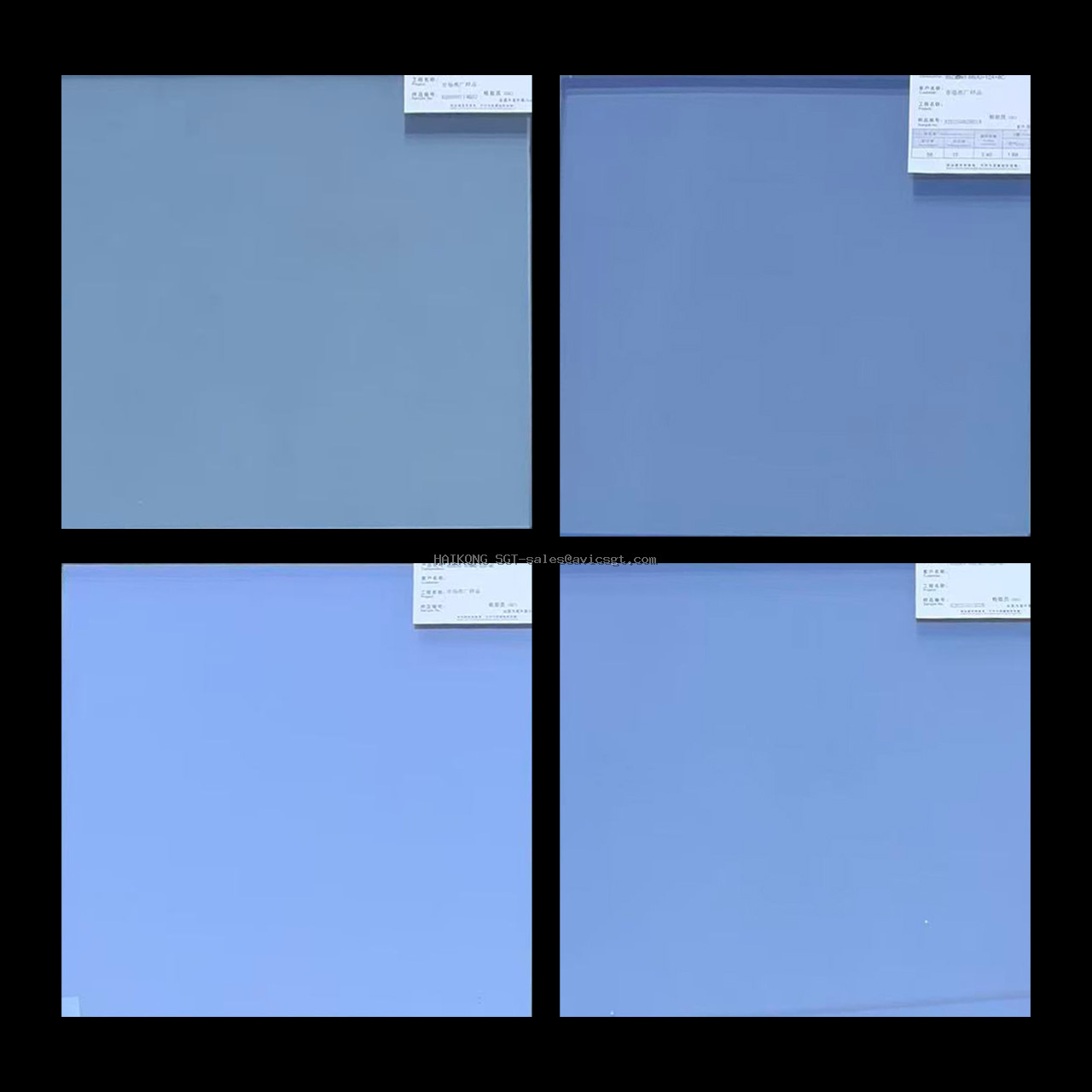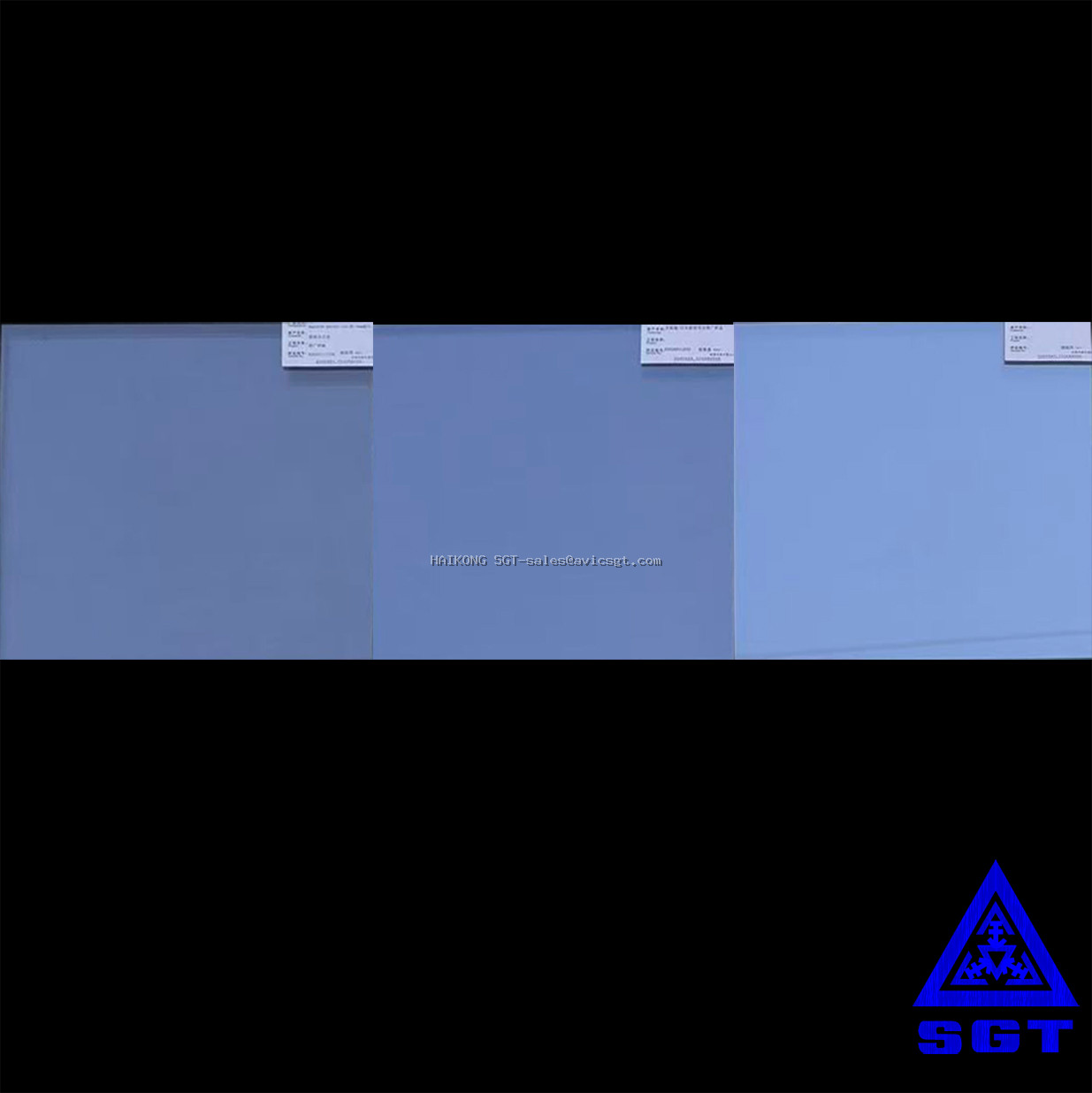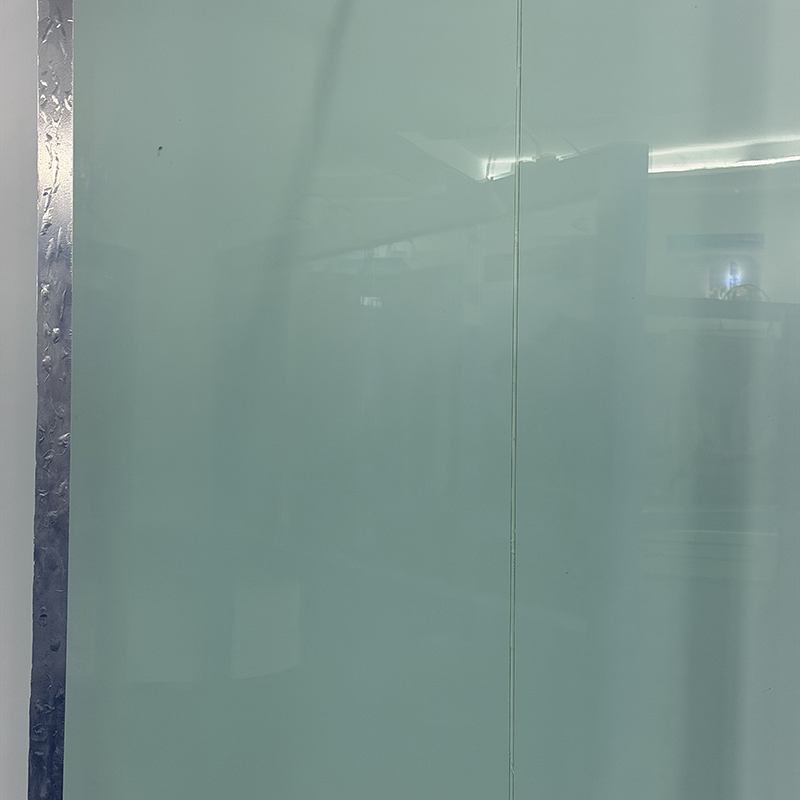
Digital printed glass, also known as digital ceramic printed glass, is an engineered architectural material for facade systems, curtain walls, and interior applications.
Unlike conventional surface decoration, it is not a coating.
Instead, it is a structural fusion material.
Manufacturers permanently bond ceramic ink to glass during high-temperature tempering.
As a result, the ink becomes part of the glass structure.
Therefore, digital printed glass is widely used in:
- High-rise facades
- Airport terminals
- Luxury hotels
- Cultural landmarks
- Interior architectural systems
KEY PRODUCT ADVANTAGE
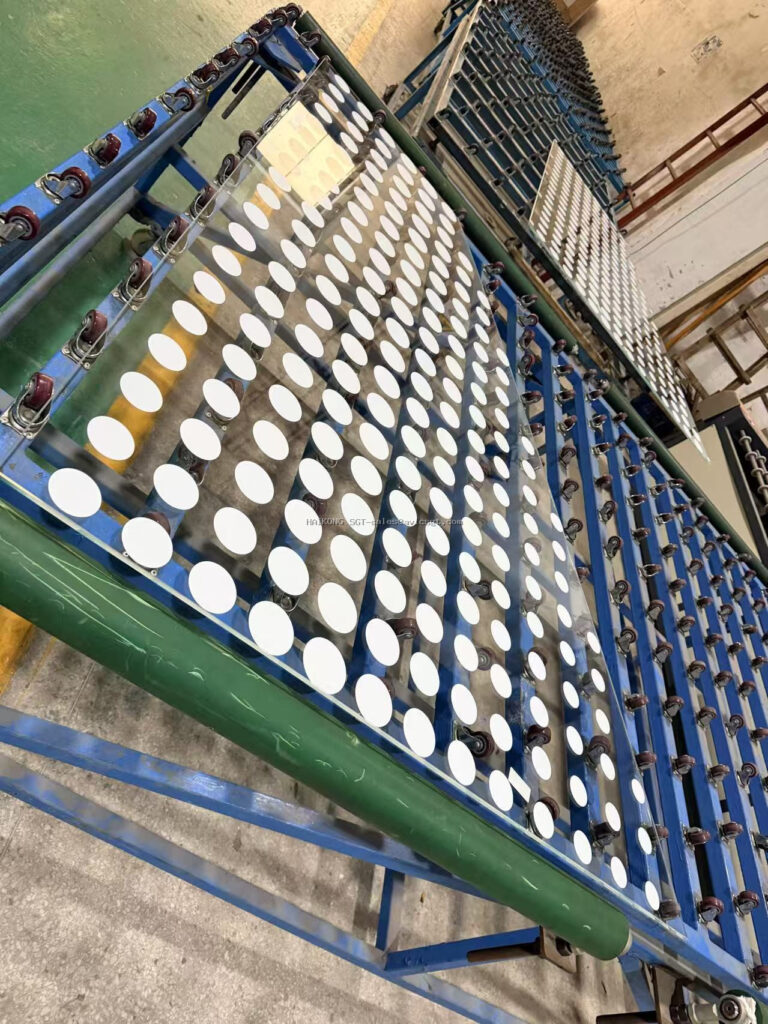
The value of digital printed glass is not only visual.
In addition, it combines durability, stability, and design flexibility.
1. Permanent Color Fusion
Manufacturers fire ceramic inks at 600–700°C.
As a result, the ink fuses permanently into the glass surface.
Therefore, the printed layer becomes structural instead of decorative.
This process provides:
- UV-resistant color performance
- No peeling or delamination
- Long-term outdoor stability
Even under sunlight and rain, the color remains stable.
2. High Environmental Resistance
Because the ink is part of the glass matrix, it offers strong resistance.
It withstands:
- UV radiation
- Acid rain
- Alkali exposure
- Corrosion
- Surface scratching
Therefore, it is suitable for exterior facades.
Digital ceramic printing enables high-definition architectural designs.
It supports:
- Photo-realistic images
- Smooth gradients
- Complex facadepatterns
- Branding graphics
Unlike screen printing, it is fully digital and flexible.
3. Full Design Flexibility
Designs transfer directly from digital files to glass.
In addition, the system supports:
- CMYK and RGB workflows
- Pantone and RAL matching
- Stone and wood textures
- Custom branding designs
Therefore, no screens or molds are required.
4. Solar Control Performance
Ink density can be adjusted during design.
As a result, the glass can:
- Reduce solar heat gain
- Lower indoor glare
- Improve visual comfort
Therefore, it supports energy-efficient building design.
5. System Compatibility
Digital printed glass integrates with multiple systems.
It works with:
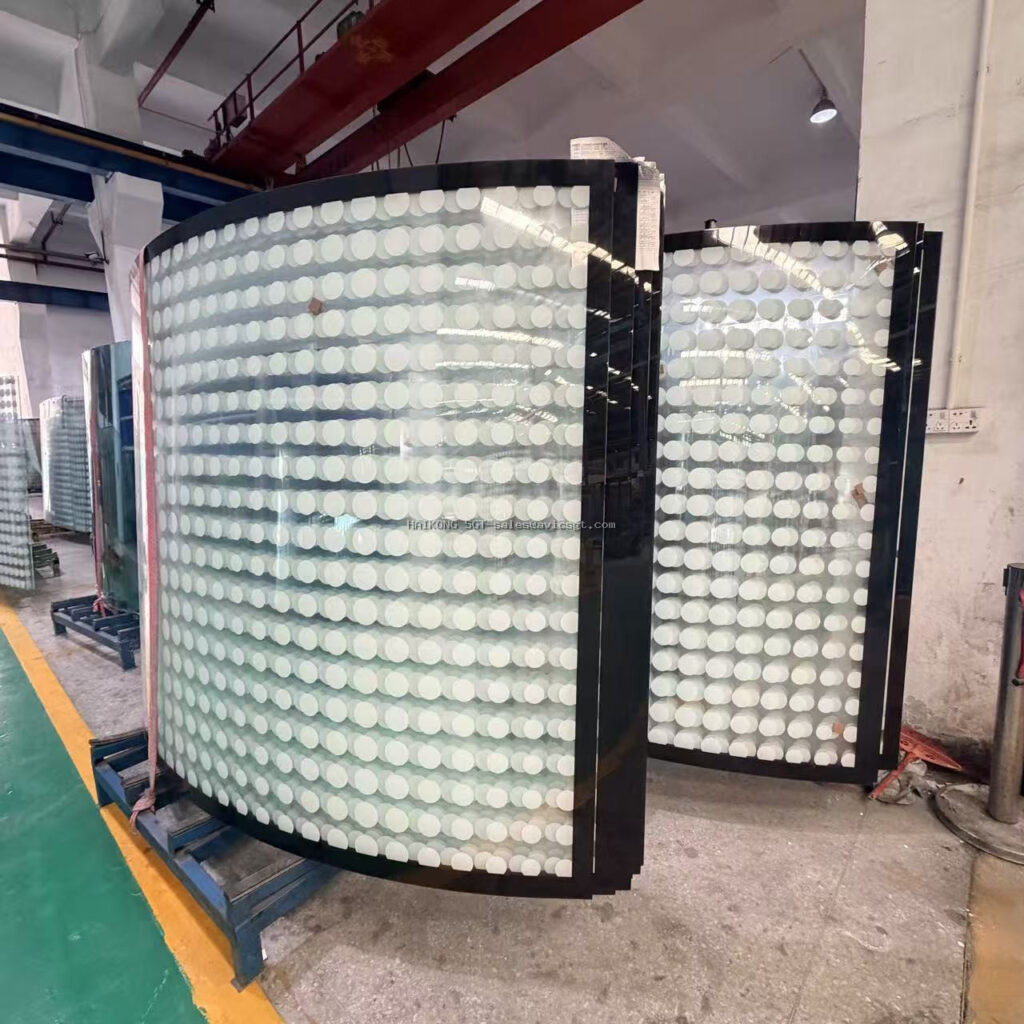
- Laminated glass (PVB / SGP)
- IGU units
- Curved tempered glass
- Low-E coated glass
Therefore, it fits modern facade engineering systems.
6. Dual-Sided Visual Control
Advanced printing allows different visual effects.
For example:
- Different interior and exterior designs
- Gradient opacity control
- Partial transparency or blackout zones
This supports privacy and branding design needs.
COMPARISON: DIGITAL VS UV / SCREEN PRINTING
|
Feature |
Digital Ceramic Printing | UV / Screen Printing |
|
Durability |
Permanent fused layer | Surface coating |
| UV resistance | High |
Limited |
|
Outdoor use |
High-rise facades | Indoor/Outdoor use |
| Resolution | Up to 1440 DPI |
Medium |
|
Design freedom |
Fully digital |
Limited |
| Lifespan | 20+ years |
Fading risk |
Important technical note
Digital ceramic printing must be completed before tempering.
During firing, ceramic ink permanently fuses into the glass.
This ensures:
- Strong adhesion
- Structural durability
- Weather resistance
- Long service life
APPLICATIONS
Digital printed glass is widely used in:
Architectural facades
- Curtain walls
- Spandrel glass
- Landmark buildings
Interior spaces
- Office partitions
- Feature walls
- Hotel interiors
Public and commercial spaces
- Retail stores
- Airports
- Museums
- Transport hubs
Specialty uses
- Stone and wood effect glass
- Artistic facades
- Branding glass
FAQ
Q1: Does ceramic printed glass fade in sunlight?
No. It does not fade under normal UV exposure.
Manufacturers fuse ceramic ink into glass at high temperature.
Therefore, the color remains stable in exterior environments.
Q2: Can it be used in IGU or laminated glass?
Yes. It works with:
- Laminated glass
- IGU systems
- Curved glass
- Low-E glass
Therefore, it fits modern facade systems.
CONCLUSION
For modern architectural masterworks, digital printed glass is far more than a design trend—it is a critical, long-term asset management strategy. By replacing superficial coatings with molecular-level ceramic fusion, this advanced technology effectively eliminates the biggest risks in facade procurement: UV fading, batch delamination, and costly post-installation replacements.
Ultimately, choosing high-performance digital ceramic printed glass means investing in a maintenance-free, energy-efficient building envelope that preserves its structural integrity and aesthetic value for decades. For developers and facade engineers worldwide, selecting a manufacturer with proven digital printing and system integration capabilities is the single most effective way to guarantee project longevity and de-risk the global supply chain.