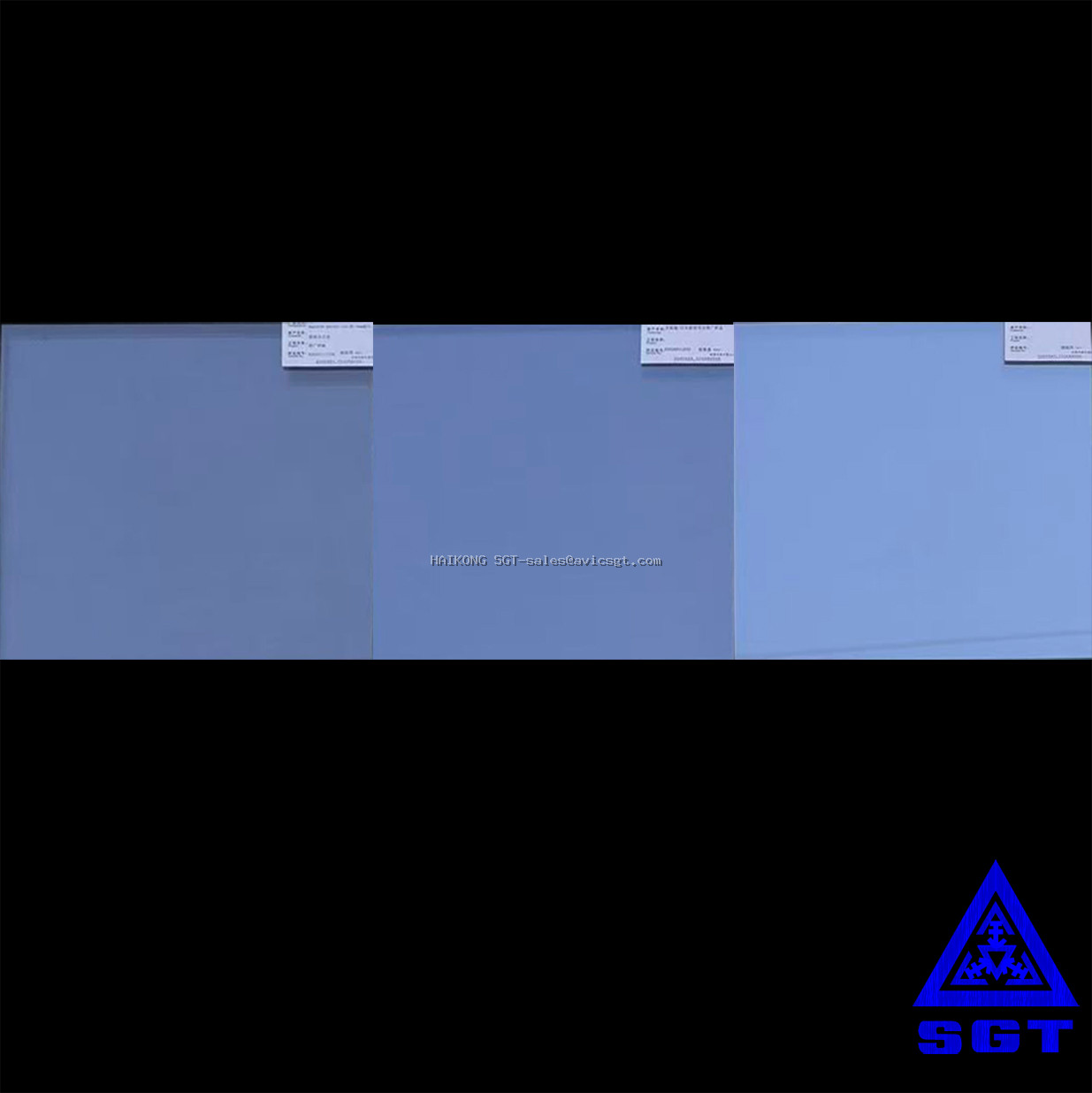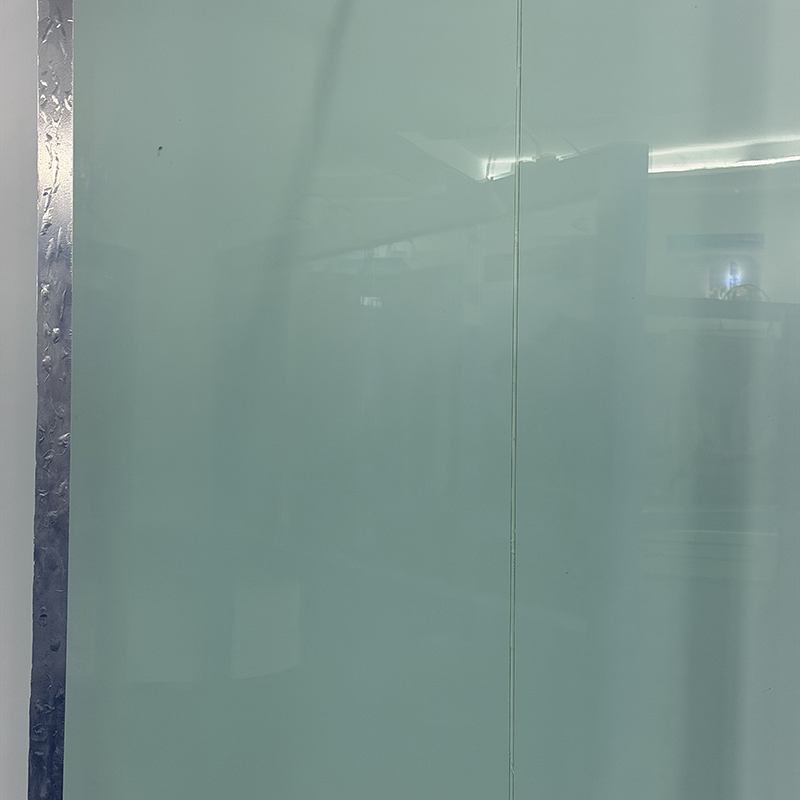
Urban buildings face increasing challenges from traffic noise, industrial vibration, and dense construction environments. Acoustic laminated glass provides an effective solution by using special damping interlayers to absorb sound energy and improve indoor comfort. For projects requiring 40dB+ noise reduction performance, standard glass structures may not provide sufficient acoustic control.
Furthermore, HAIKONG SGT develops special laminated glass solutions with PET interlayers and customized multi-layer structures. As a China glass fabrication factory with a 200,000 m² production base, HAIKONG SGT supports architectural facade projects, commercial buildings, and industrial applications requiring safety, sound insulation, and long-term durability.
How Acoustic Laminated Glass Improves Sound Insulation
Therefore, acoustic laminated glass improves sound insulation by using a flexible damping interlayer between two or more glass sheets. The interlayer’s viscoelasticity and shear damping properties play an important role in reducing vibration and controlling sound transmission.
During this process, external sound waves cause the glass to bend and vibrate. The acoustic interlayer undergoes shear deformation, while the stretching and friction of polymer chains convert vibration energy into a small amount of heat. As a result, less sound energy passes through the glass structure, improving indoor acoustic comfort.
Furthermore, traditional single glass systems may experience the coincidence effect at certain frequency ranges, typically around 1000–3000 Hz. When the bending vibration of glass matches the wavelength of airborne sound waves, a coincidence dip occurs, causing reduced sound insulation performance.
By comparison, acoustic laminated glass uses a damping interlayer to absorb vibration energy and reduce the impact of this weak frequency range. Therefore, it provides more stable acoustic performance for high-noise environments, including building facades, airports, highways, offices, and commercial buildings.
Furthermore, for high-performance facade applications, HAIKONG SGT uses PET (Polyethylene Terephthalate) interlayers engineered for enhanced acoustic and structural performance. The main advantages include:
- High vibration damping capability, helping reduce glass resonance and improve structural vibration control.
- High tensile strength of approximately 150–200 MPa, providing excellent mechanical stability and impact resistance.
- High loss factor performance, allowing the interlayer to absorb more vibration energy and improve airborne sound insulation.
- Enhanced sound reduction performance, increasing the airborne sound insulation rating (Rw/STC) of laminated glazing systems when combined with optimized glass structures.
- Excellent optical performance with haze below 1% and high visible light transmittance (VLT), maintaining clear vision and natural daylight transmission.
- Reliable durability in humid and outdoor environments, ensuring long-term performance for architectural facades and exposed glazing applications.
In addition, these characteristics make PET laminated glass suitable for airports, highways, hotels, offices, and residential buildings located in noisy urban environments.
Acoustic Laminated Glass for 40dB+ Soundproof Facades
In particular, when you design buildings near airports, highways, or industrial zones, reducing external noise becomes a key requirement. Acoustic laminated glass for soundproof building facades helps control airborne noise by combining glass thickness, interlayer properties, and structural design.
A typical high-performance acoustic glass system considers:
- Glass thickness combination
- PET or acoustic damping interlayer thickness
- Air cavity design for insulated glass units
- Installation method and frame sealing
To achieve this goal, HAIKONG SGT can customize laminated glass structures from 6–80 mm thickness and supports multi-ply configurations including:
- 2-ply laminated glass
- 3-ply laminated glass
- 4-ply laminated glass
- Hybrid PET and metal mesh structures
-1.jpg)
PET Laminated Glass Manufacturing Process
HAIKONG SGT applies controlled manufacturing procedures to ensure stable acoustic performance.
The production process includes:
-
Glass Cutting and Edge Processing
Glass sheets are accurately cut according to project drawings. Edges are polished to improve safety and processing quality.
-
Interlayer installation
PET film or customized interlayers are placed between glass layers to create the acoustic damping structure.
-
Pre-lamination preparation
The glass assembly passes through nip rollers to remove trapped air and improve bonding consistency.
-
Autoclave lamination
HAIKONG SGT uses autoclave technology with controlled temperature and pressure. The process typically operates at around 120–140°C and 10–12 bar pressure.
-
Quality inspection
Finished glass is checked for optical clarity, edge conditions, and structural performance before shipment.
Acoustic Laminated Glass vs Standard Laminated Glass
| Feature | Acoustic Laminated Glass | Standard Laminated Glass |
|---|---|---|
| Main Purpose | Noise reduction and vibration control | Safety protection |
| Interlayer | PET or acoustic damping film | Usually PVB |
| Sound Performance | Designed for high acoustic requirements | General sound reduction |
| Application | Facades, airports, highways, offices | Windows and safety glazing |
| Customization | Multi-layer structures available | Limited configurations |
Why Choose HAIKONG SGT for Acoustic Glass Solutions?
Controlled Manufacturing Environment
To ensure consistent acoustic performance, HAIKONG SGT applies strict environmental control during the laminated glass production process. Acoustic interlayers are highly sensitive to temperature and humidity, as excessive moisture absorption may affect bonding quality, long-term durability, and sound damping performance.
During the glass assembly process, HAIKONG SGT performs interlayer lamination in a Class 10,000 cleanroom environment, with temperature controlled at 18–21°C and relative humidity maintained at 20–30%. These controlled conditions help prevent moisture contamination between glass layers, reducing the risk of delamination and ensuring stable acoustic damping performance throughout the service life of the glazing system.
Advanced Quality Control Process
Combined with advanced lamination equipment, autoclave processing, and strict quality inspection procedures, HAIKONG SGT delivers customized acoustic laminated glass solutions for demanding architectural and industrial applications.
The company operates under Hainan Development Co., Ltd., a publicly listed enterprise supervised by SASAC of Hainan Province.
HAIKONG SGT has supplied specialty glass products for international projects, including:
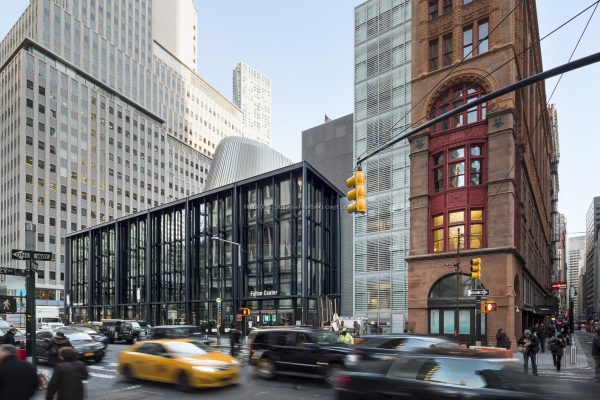
- Fulton Street Transit Center, New York, USA
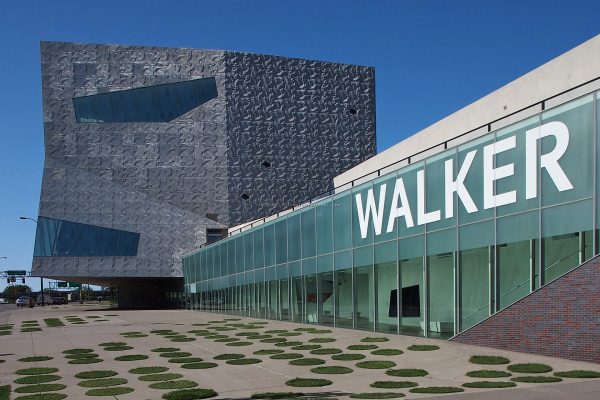
- Walker Art Center, Minneapolis, USA
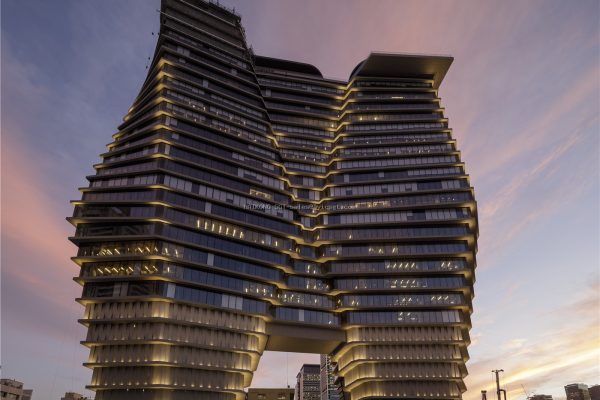
- Macau Galaxy Starworld Hotel, Macau
Applications of Acoustic Laminated Glass
You can apply acoustic laminated glass in:
- Building curtain walls and facades
- Airport terminal glazing
- Highway-side residential windows
- Commercial office partitions
- Luxury hotel projects
- Industrial noise-control facilities
- Security buildings requiring additional protection
For projects requiring additional functions, HAIKONG SGT also provides laminated glass with aluminum mesh and copper mesh. These solutions add electromagnetic shielding, anti-static performance, and security protection.
FAQ
1. Can Acoustic Laminated Glass Achieve 40dB+ Sound Insulation?
Yes, acoustic performance depends on glass thickness, interlayer type, cavity design, and installation method. Properly engineered laminated glass systems can achieve high sound reduction requirements for demanding building projects.
2. What Interlayer Is Used for Acoustic Laminated Glass?
HAIKONG SGT uses PET interlayers and other customized structures depending on project requirements. PET provides strong vibration damping, high strength, and excellent clarity.
Conclusion
Selecting the right acoustic laminated glass system helps you reduce environmental noise, improve building comfort, and enhance facade safety. With PET damping technology, customized structures, and advanced manufacturing equipment, HAIKONG SGT provides reliable laminated glass sound insulation solutions for global architectural and industrial projects.
Contact HAIKONG SGT today to receive a customized acoustic laminated glass proposal, including recommended thickness, inte