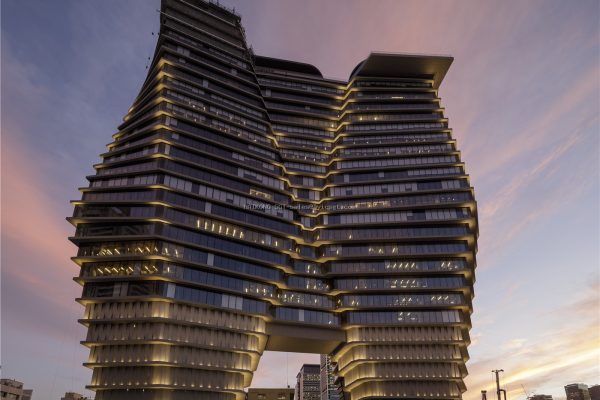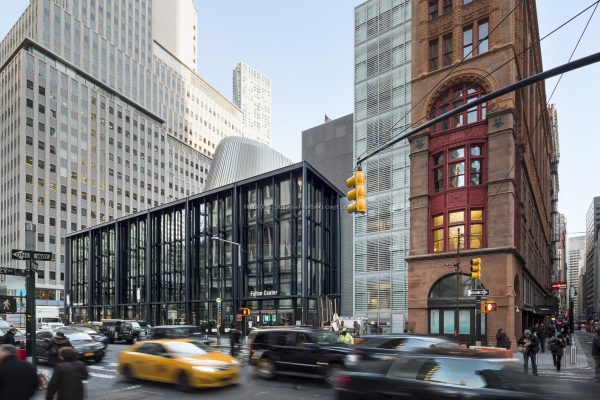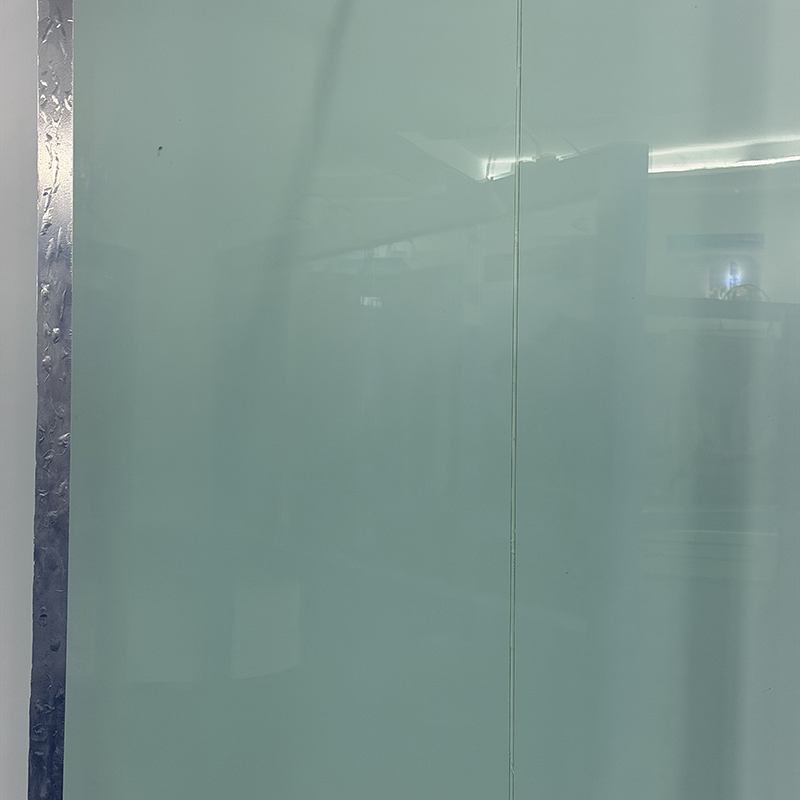
When architects pursue wider views and seamless facades, insulating glass becomes a key solution for modern buildings. However, increasing glass size creates engineering challenges. Large panels such as 3m × 6m architectural glazing must balance visual appearance, wind load resistance, safety, and deflection control.
From full-screen smartphones to landmark curtain walls, designers continue to demand jumbo glass with minimal framing. HAIKONG SGT, a professional China glass fabrication factory, provides customized insulating glass, laminated glass, and Low-E glazing solutions designed for complex architectural requirements.
The real challenge is not only producing larger glass panels. The critical issue is controlling deformation under wind pressure. Excessive deflection can create reflection distortion, sealing failure, and structural risks.
Insulating Glass Maximum Size Depends on Thickness and Deflection Control
Large-format insulating glass is not limited only by manufacturing capability. The final size depends on several engineering factors:
- Glass thickness and configuration
- Panel aspect ratio
- Wind load requirements
- Interlayer performance
- Support conditions
- Deflection limits from design standards
HAIKONG SGT operates advanced glass processing equipment capable of producing large architectural glass panels. Its insulating glass production lines support:
- Maximum IGU size: 3000mm × 7000mm
- Single glass thickness range: 3–45mm
- IGU thickness range: 12–80mm
- Tempering capacity: up to 3200mm × 18000mm flat glass
These capabilities allow architects to specify large glazing systems while maintaining structural performance.
Large Size Laminated Glass Deflection Case Study: Can 3m × 6m Glass Pass?
A common question in curtain wall design is whether a 3m × 6m glass panel can meet deflection requirements.
Design Parameters
Assume:
- Panel size: 3000mm × 6000mm
- Glass structure: 12mm + 1.52PVB/SGP + 12mm tempered laminated glass
- Design wind load: 2.5 kPa
According to JGJ 102 Glass Curtain Wall Engineering Technical Specification, the relative deflection limit for tempered laminated glass is generally based on:
L/60
The short-side span is:
3000mm ÷ 60 = 50mm maximum deflection
Engineering Evaluation
| Glass Configuration | Performance Under Large Load | Application Recommendation |
|---|---|---|
| 12+12mm PVB laminated glass | Limited composite action under long-term temperature conditions; higher deflection risk | Suitable for smaller panels |
| 12+12mm SGP laminated glass | Higher shear strength improves structural cooperation between glass layers | Better for large-format applications |
| 15+15mm laminated glass | Increased stiffness and safety margin | Recommended for oversized vision panels |
| Laminated IGU structure | Combines insulation and structural performance | Preferred for high-end curtain walls |
For a 3m × 6m glass panel, traditional PVB interlayers may not provide sufficient stiffness. SGP interlayers offer better shear performance, but engineers often recommend upgrading to 15+15mm laminated glass or laminated insulating glass structures for higher safety margins.
Glass Aspect Ratio Influences Insulating Glass Thickness Selection
Glass dimensions are not only about area. The length-to-width ratio directly affects stress distribution.
Two-way Plate vs One-way Plate Behavior
When the aspect ratio approaches 1:1 to 1:2, glass behaves like a two-way plate:
- Four edges share the load
- Stress distribution becomes more balanced
- Glass strength is utilized efficiently
However, when the ratio exceeds 1:3, such as a 1500mm × 5000mm panel:
- The glass behaves closer to a one-way plate
- The long edge contributes less to stiffness
- Deflection is mainly controlled by the shorter span
Therefore, engineers must consider geometry before selecting glass thickness.
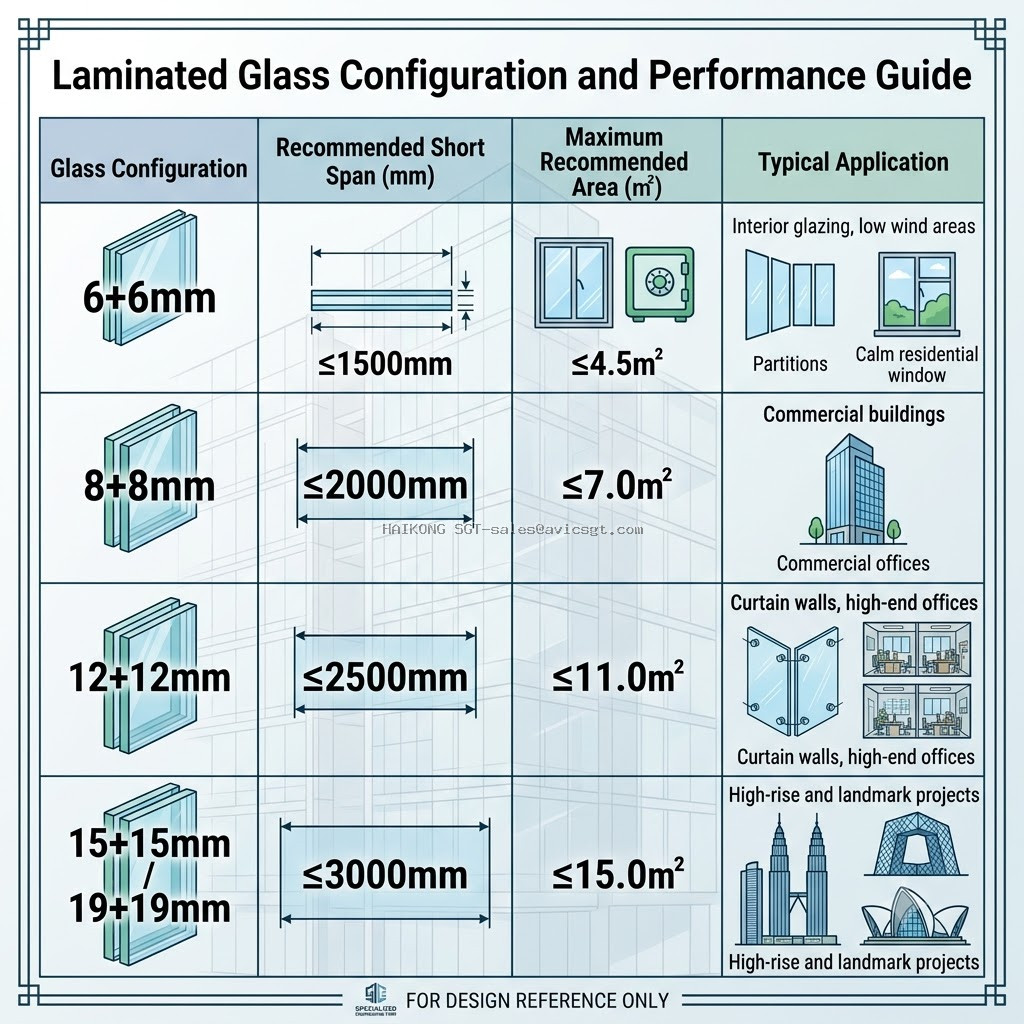
Recommended Thickness Guide for Jumbo Laminated Glass
| Laminated Glass Configuration | Recommended Short Span | Maximum Recommended Area | Typical Application |
|---|---|---|---|
| 6+6mm | ≤1500mm | ≤4.5㎡ | Interior glazing, low wind areas |
| 8+8mm | ≤2000mm | ≤7.0㎡ | Commercial buildings |
| 12+12mm | ≤2500mm | ≤11.0㎡ | Curtain walls, high-end offices |
| 15+15mm / 19+19mm | ≤3000mm | ≤15.0㎡ | High-rise and landmark projects |
Actual thickness selection should always consider project wind pressure, support conditions, safety requirements, and local regulations.
How HAIKONG SGT Manufactures High-Performance Insulating Glass
HAIKONG SGT combines deep glass processing technology with engineering experience to manufacture customized glazing solutions.
The production process includes:
- Glass cutting
- Precision cutting before thermal processing
- Customized dimensions based on project drawings
- Edge processing
- Grinding and polishing improve installation safety
- Tempering
- Enhances mechanical strength and impact resistance
- Laminating
- Supports PVB, PET, SGP, aluminum mesh, and copper mesh options
- Insulating assembly
- Adds spacer systems, sealing materials, and gas-filled cavities
- Quality inspection
- Ensures compliance with project specifications
The factory operates European-standard heat soak furnaces, automatic IGU lines, autoclaves, and Low-E coating equipment.
Standards and Certifications for Architectural Insulating Glass
Reliable oversized glazing requires strict compliance with international standards.
HAIKONG SGT supports production according to:
- EN 1279: Insulating glass unit requirements
- EN 12150: Thermally toughened safety glass
- EN 14179: Heat soak testing
- ASTM E2190: Insulating glass unit specification
- ASTM E1300: Glass design load resistance
- GB/T 11944: Chinese insulating glass standards
- ISO 9001: Quality management system
These standards help ensure durability, safety, and long-term performance in demanding architectural projects.
FAQ
1. Why does insulating glass require stricter deflection control?
Insulating glass units contain sealed cavities filled with air or inert gas. Excessive deformation may cause glass-to-glass contact, seal damage, condensation, or IGU failure. Many designs limit deflection according to span ratios and project requirements.
2. Can two glass layers simply be added together to calculate strength?
No. The effective thickness of laminated glass depends on the interlayer shear modulus. SGP and PVB perform differently under temperature and long-term loading conditions. Engineers must calculate equivalent thickness based on standards such as ASTM E1300.
3. What glass structure is suitable for oversized curtain walls?
For large vision panels, designers commonly consider SGP laminated glass, laminated insulating glass, or thicker multi-layer structures. The final choice depends on wind load, building height, and safety requirements.
Conclusion
Designing large architectural glazing requires more than increasing glass dimensions. Insulating glass must achieve a balance between size, thickness, thermal performance, and deflection control. HAIKONG SGT provides customized insulating glass solutions, including Low-E IGU, curved glass, and oversized laminated structures for global architectural projects.
With a 200,000m² production base, 19 production lines, and advanced deep-processing capabilities, HAIKONG SGT helps architects and contractors create safe, energy-efficient, and visually impressive glass facades.
Contact HAIKONG SGT today to receive professional glass configuration recommendations, thickness calculations, and customized insulating glass solutions for your next curtain wall or landmark building project.