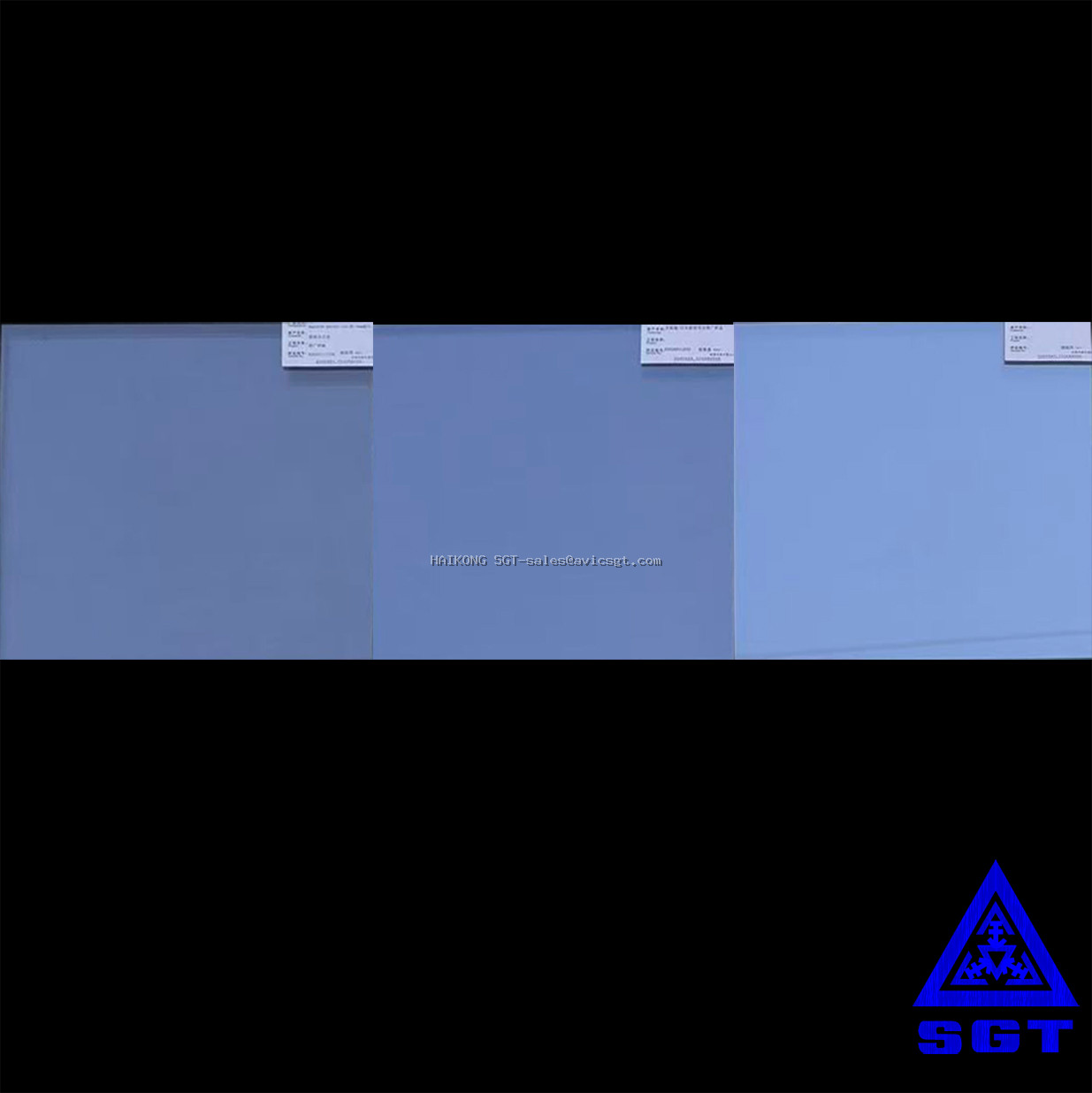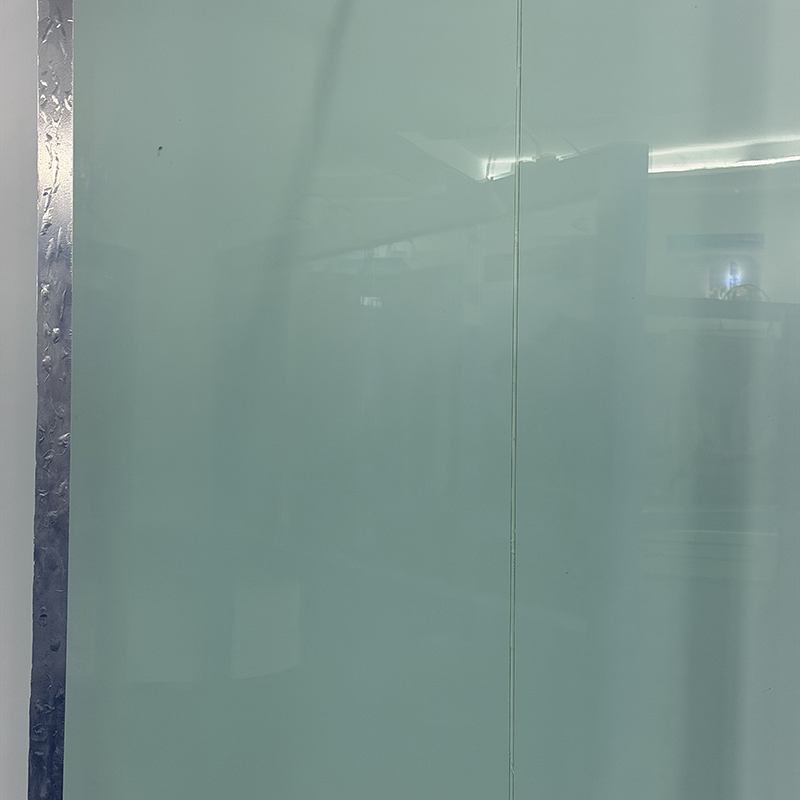
Large format decorative glass gives architects a way to transform expansive facades into high-resolution architectural surfaces without relying on conventional films or repetitive patterns. You can reproduce marble textures, wood grain, artwork, gradients, branding graphics, and privacy patterns directly on glass.
However, large-scale decorative glazing raises an important question: how can a printed image remain sharp and visually durable after years of sunlight, rain, temperature changes, and daily cleaning? The answer lies in digital ceramic printing, controlled image production, appropriate glass processing, and professional quality testing.
Ceramic printing enhances the UV stability, abrasion resistance, and visual durability of the decorative surface. Thermal insulation and energy-saving performance, however, are determined primarily by the overall glazing configuration, including insulated glass structures and Low-E coatings, rather than by ceramic printing itself.
For projects where visual consistency, decorative durability, and glass performance matter, HAIKONG SGT combines architectural glass manufacturing experience with professional optical, thermal, and color testing.
How Large Format Decorative Glass Uses Ceramic Printing
Unlike ordinary office printing, digital ceramic printing uses inorganic ceramic pigments formulated for glass applications. The printed glass then enters a high-temperature tempering process, typically around 680-720℃ according to the specified production process.
During firing, the ceramic material bonds with the glass surface. As a result, the image becomes significantly more integrated with the glass than a conventional applied film.
This approach can provide useful decorative and surface-performance characteristics for exterior architectural applications:
- Improved UV stability of the printed ceramic pattern
- Resistance to routine surface abrasion
- Durable visual appearance for long-term architectural applications
- Resistance to moisture and common environmental exposure
- High flexibility for customized architectural graphics
For you as an architect, developer, or facade consultant, this means the printed surface can be designed as part of the glazing system rather than treated as a temporary decorative layer.
Why Ceramic Ink Matters for Exterior Facades
The durability of digital ceramic printed glass depends on more than the printer itself. Pigment formulation, glass preparation, printing parameters, firing conditions, and final quality inspection all influence the finished result.
Ceramic printing enhances the UV stability, abrasion resistance, and visual durability of the decorative surface. It should not, however, be considered the primary source of thermal insulation or energy-saving performance.
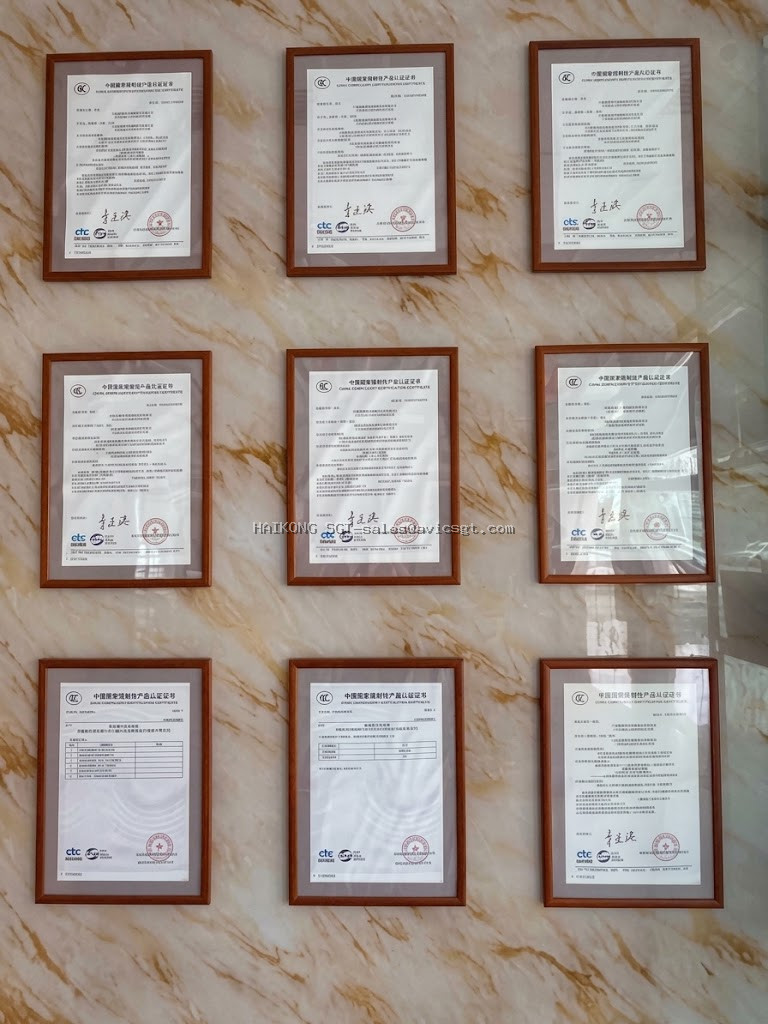
HAIKONG SGT operates professional photothermal and color testing equipment, including a Fourier Transform Infrared Spectrometer, Lambda 1050+ spectrophotometer, 60° angle optical tester, and CM700D portable color difference meter. This testing system supports precise verification of light transmittance, solar optical properties, color consistency, and other glass performance parameters.
For thermal insulation and energy efficiency, the overall glazing configuration is more important. Insulated glass structures can reduce heat transfer, while Low-E coatings can help control solar heat gain and improve energy efficiency. Ceramic printing can then provide the desired decorative appearance as part of the complete architectural glazing system.
Large Format Architectural Glass Requires Accurate Image Alignment
Printing one decorative glass panel is relatively straightforward. Printing a facade made from dozens or hundreds of independently processed panels is much more demanding.
For a large building, the original artwork must account for glass dimensions, panel joints, cutting tolerances, and installation direction. Therefore, your design team should prepare suitable vector artwork or sufficiently high-resolution raster files before production.
How Seamless Tiling Works
A practical production workflow can include:
- Prepare the master artwork according to the final facade elevation and panel layout.
- Divide the artwork into individual glass panels while maintaining reference points across joints.
- Match the digital print area with each panel’s actual processing dimensions.
- Control color and image parameters throughout the production batch.
- Verify panel alignment and visual continuity before shipment and installation.
- Coordinate the installation sequence so adjacent panels reproduce the intended overall image.
This process is particularly important for marble veins, continuous artwork, geometric graphics, and large gradients. Even a small alignment error can become visible when several panels are viewed together from a distance.
Large Format Decorative Glass vs. Conventional Decorative Methods
The right solution depends on your project requirements, budget, facade system, and desired visual effect.
| Feature | Digital Ceramic Printed Glass | Decorative Film | Conventional Screen Printing |
|---|---|---|---|
| Design flexibility | High | High | Moderate |
| Large image reproduction | Excellent | Good | More limited |
| Printed surface durability | High after appropriate ceramic firing and glass processing | More limited for demanding exterior applications | High after high-temperature firing |
| Complex gradients | Fully achievable | Achievable | Achievable with limitations |
| Custom artwork | Highly flexible | Highly flexible | Flexible but requires custom screen production |
| Seamless multi-panel artwork | Achievable with precise panel alignment | Achievable with proper installation | More difficult to unify across large facades |
| Architectural facade use | Suitable when specified and processed for the application | Application-dependent | Suitable for standardized exterior patterns |
For large projects, large format decorative glass becomes especially valuable when you need both visual customization and architectural glass functionality.
For thermal insulation and energy efficiency, the glazing configuration should be evaluated separately. Insulated glass units, Low-E coatings, glass thickness, cavity configuration, and other system parameters can be selected according to the project’s climate, facade orientation, and performance requirements.
Where Can You Use Oversized Decorative Glass Panels?
Large printed panels can support a wide range of architectural concepts.
Marble and Natural Stone Effects
You can reproduce detailed marble veins and stone textures while retaining the visual qualities of glass. This approach can help create distinctive decorative facade concepts, while the overall weight and structural performance depend on the complete glazing and facade system.
Privacy and Solar Design
By adjusting printed coverage and pattern density, you can create different levels of visual screening and daylight transmission. Designers can combine translucent areas with denser printed regions to balance privacy, daylight, and facade aesthetics.
For solar control and energy performance, the glazing specification should also consider Low-E coatings, insulated glass structures, glass orientation, and other facade design parameters.
Hotels, Retail and Landmark Buildings
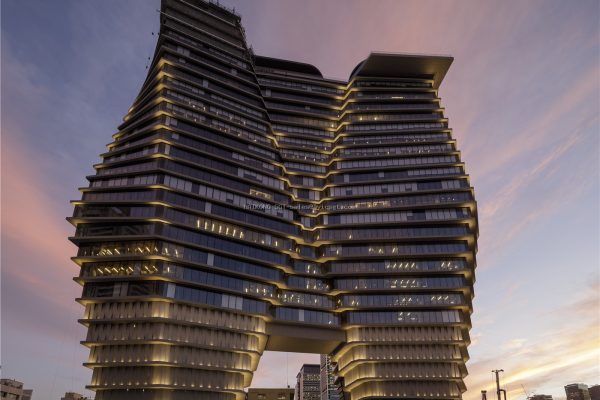
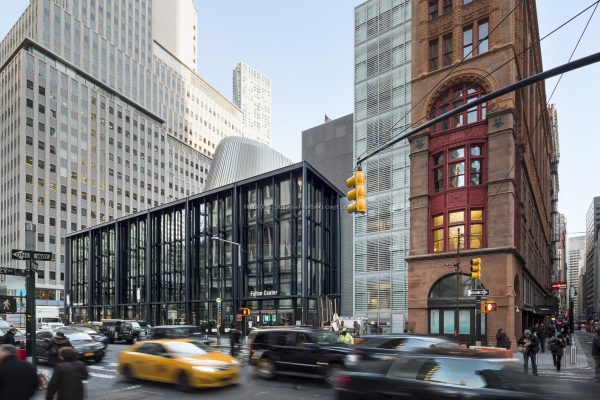
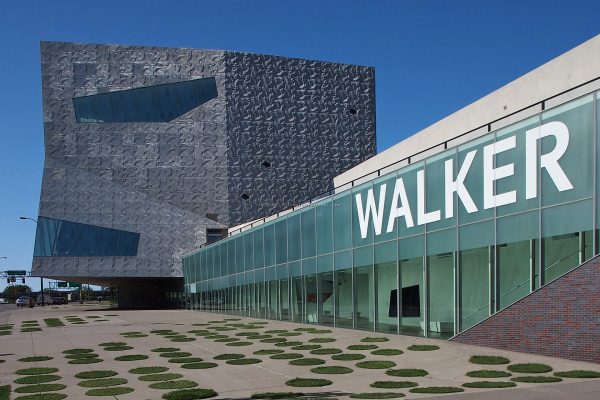
For luxury hotels, flagship stores, commercial buildings, cultural venues, and feature facades, customized printed glazing can turn a repetitive curtain wall into a recognizable architectural surface.
HAIKONG SGT project experience spans markets including North America, Europe, Asia, and China, supporting architects and developers looking for customized architectural glass solutions.
Why Choose HAIKONG SGT for Large Format Decorative Glass?
HAIKONG SGT traces its glass industry history back to 1994 and has more than 32 years of experience in glass development and deep processing. The company has also participated in more than 500 global projects.
Its technical capabilities are supported by:
- Professional optical, thermal, and color testing equipment
- Architectural glass research, development, manufacturing, and application capabilities
- Experience with large-scale architectural glazing
- Global project exposure across multiple regions
- State-owned industrial and capital resources through its parent company, Hainan Development
For projects involving complex facade artwork, you can work with the manufacturer from glass selection and image preparation through production and quality testing.
FAQ
1. Is ceramic printed glass suitable for exterior facades?
Yes. Properly processed and tempered digital ceramic printed glass can be used for exterior building facades. Ceramic printing provides a durable decorative surface with enhanced UV stability and abrasion resistance.
For thermal insulation and energy efficiency, the overall glazing configuration should be specified separately. Insulated glass structures and Low-E coatings can be selected according to the project’s thermal and solar-control requirements.
2. Can large format decorative glass reproduce marble or artwork?
Yes. Digital ceramic printing can reproduce detailed textures, graphics, gradients, artwork, and other customized patterns. The final visual quality depends on artwork resolution, printing parameters, glass processing, color control, and panel alignment.
3. How do you maintain image continuity across multiple glass panels?
You need to develop the artwork according to the complete facade elevation and divide it into accurately controlled panel files. Production and installation must then follow predefined reference points to maintain visual continuity across joints.
Conclusion
Large format decorative glass allows you to treat an architectural facade as a carefully engineered visual canvas. Digital ceramic printing can integrate high-resolution artwork into architectural glazing while providing UV stability, abrasion resistance, and visual durability.
For thermal insulation and energy-saving requirements, performance comes from the complete glazing system. Insulated glass structures and Low-E coatings can be selected to address heat transfer and solar control, while ceramic printing provides the customized architectural appearance.
From marble-inspired surfaces and branded graphics to privacy patterns and large-scale artwork, HAIKONG SGT can support your project with more than 32 years of glass industry experience, professional testing capabilities, and experience across 500+ global projects.
CTA
Planning a digitally printed architectural facade? Contact HAIKONG SGT with your glass dimensions, artwork concept, facade application, and performance requirements. The technical team can help you evaluate the appropriate glass configuration, printing approach, image alignment requirements, and testing considerations for your project.