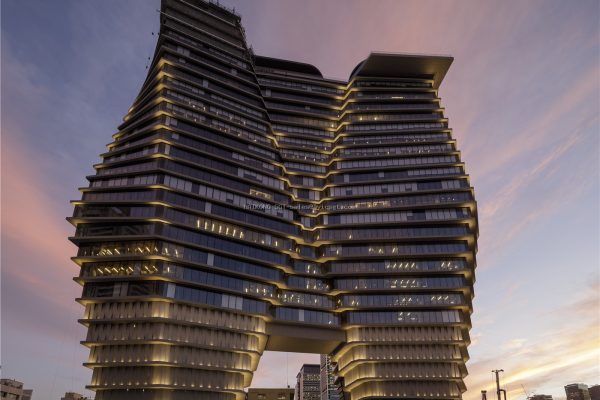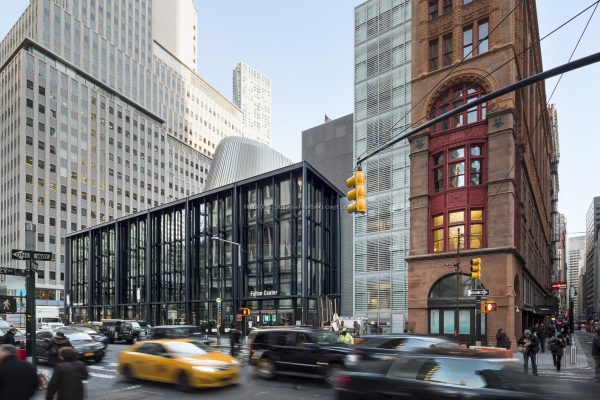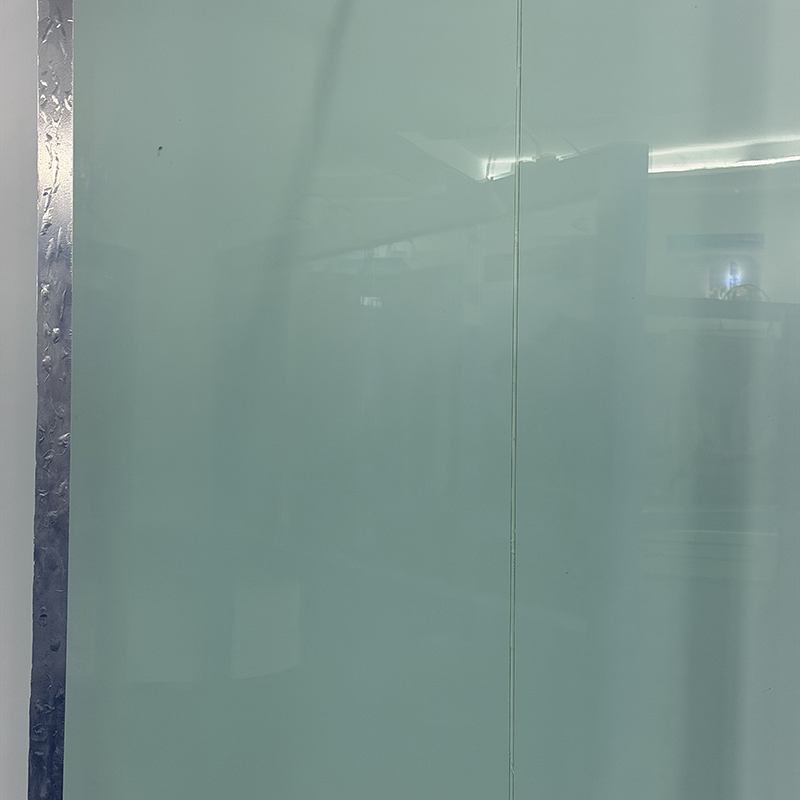
Architectural ceramic fritted glass helps architects create distinctive building facades while managing visual privacy, daylight, and exterior appearance. However, selecting the right product involves more than choosing a pattern or color. You also need to consider glass thickness, thermal performance, safety requirements, processing compatibility, and installation conditions. An unsuitable specification can lead to color inconsistencies, unexpected solar performance, or costly production changes. This guide explains how ceramic frit glass works, where you can use it, and what to confirm before ordering. With decades of glass-processing experience dating back to 1994, Guangdong Haikong Special Glass Technology Co., Ltd. (HAIKONG SGT) provides architectural glass expertise to support project-specific material evaluation and specification planning.
What Is Ceramic Frit Glass?
Ceramic frit glass is glass decorated with a ceramic-based coating that is applied to its surface and fired during processing. The heat treatment bonds the compatible ceramic enamel to the glass, producing a durable decorative finish when manufactured and validated correctly.
Unlike conventional surface printing, fired ceramic frit is fused to the glass surface during processing. Depending on the formulation and manufacturing method, it can create opaque, translucent, or patterned areas. However, its long-term durability is not absolute and may vary with the glass substrate, enamel system, firing conditions, pattern coverage, and finished glass construction. For project-critical applications, confirm the required durability and performance through relevant product documentation and test evidence.
How Is Ceramic Frit Glass Manufactured?
Manufacturers select the production sequence according to the glass type, enamel requirements, and intended application. A typical workflow includes:
- Glass selection and cutting: Confirm the substrate, dimensions, thickness, and edge requirements.
- Surface preparation: Clean the glass to support consistent enamel application.
- Pattern application: Use suitable screen printing, digital printing, or spraying methods, depending on available equipment and product requirements.
- Firing and heat treatment: Fire the ceramic enamel under controlled conditions. Where required, integrate tempering or heat strengthening into the validated production sequence.
- Inspection and approval: Check pattern alignment, color, surface quality, dimensions, and compliance with the agreed specification.
Because heat treatment can affect glass dimensions and visual appearance, confirm the production sequence with your manufacturer before approving the final design.
Benefits of Ceramic Fritted Glass
Architectural ceramic fritted glass offers several design advantages:
- Durable decorative finish: Properly fired ceramic enamel can provide long-lasting surface decoration.
- Flexible design: Different colors, coverage levels, and patterns support varied architectural concepts.
- Privacy management: Denser patterns can obscure direct views while retaining selected areas of daylight.
- Daylight control: Pattern coverage changes the amount and distribution of light passing through the glass.
- Facade integration: Designers can coordinate glass patterns with building geometry, shading strategies, and surrounding materials.
Performance depends on the selected product and complete glazing assembly. Therefore, assess decorative benefits alongside structural, optical, and thermal requirements.
Applications of Ceramic Frit Glass in Architecture
You can specify ceramic frit glass for a range of projects, including:
- Curtain walls: Create patterned elevations for office towers and commercial buildings.
- Commercial facades: Combine decorative surfaces with project-specific daylight and privacy requirements.
- Interior partitions: Define meeting rooms, office zones, and shared spaces without relying entirely on opaque walls.
- Decorative glazing: Coordinate entrances, lobby features, and other architectural glass elements.
For exterior applications, confirm the glass construction, support system, wind-load requirements, safety classification, and applicable building codes before production.
Ceramic Frit Glass Patterns and Design Options
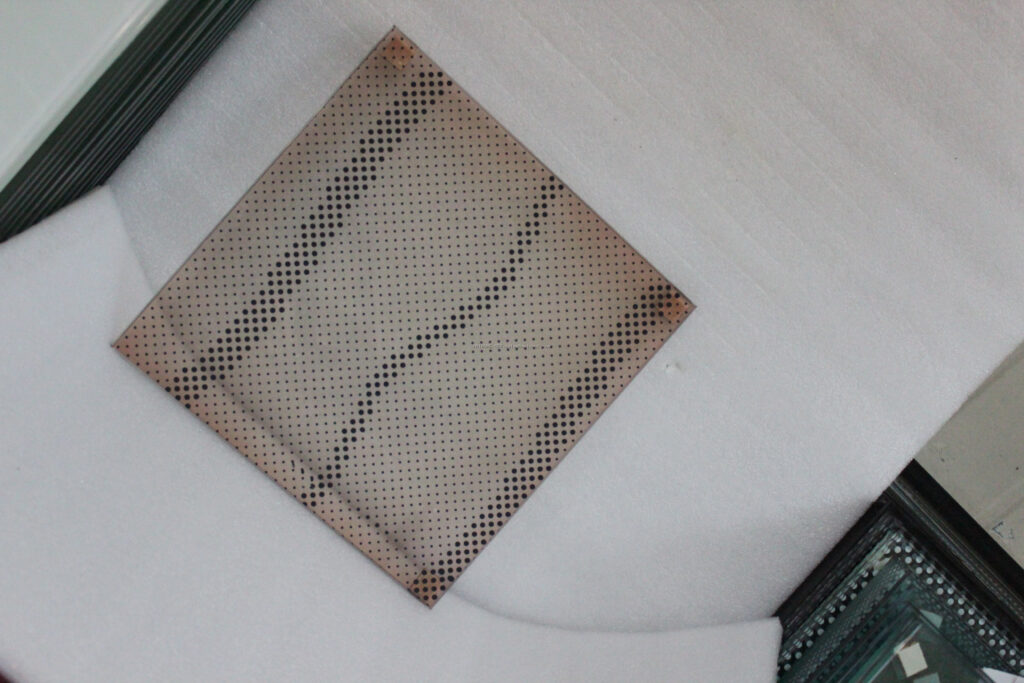
Common options include dot patterns, linear designs, gradients, geometric arrangements, and custom artwork. Color availability, achievable opacity, minimum feature size, and repeatability depend on the manufacturer’s equipment and enamel system.
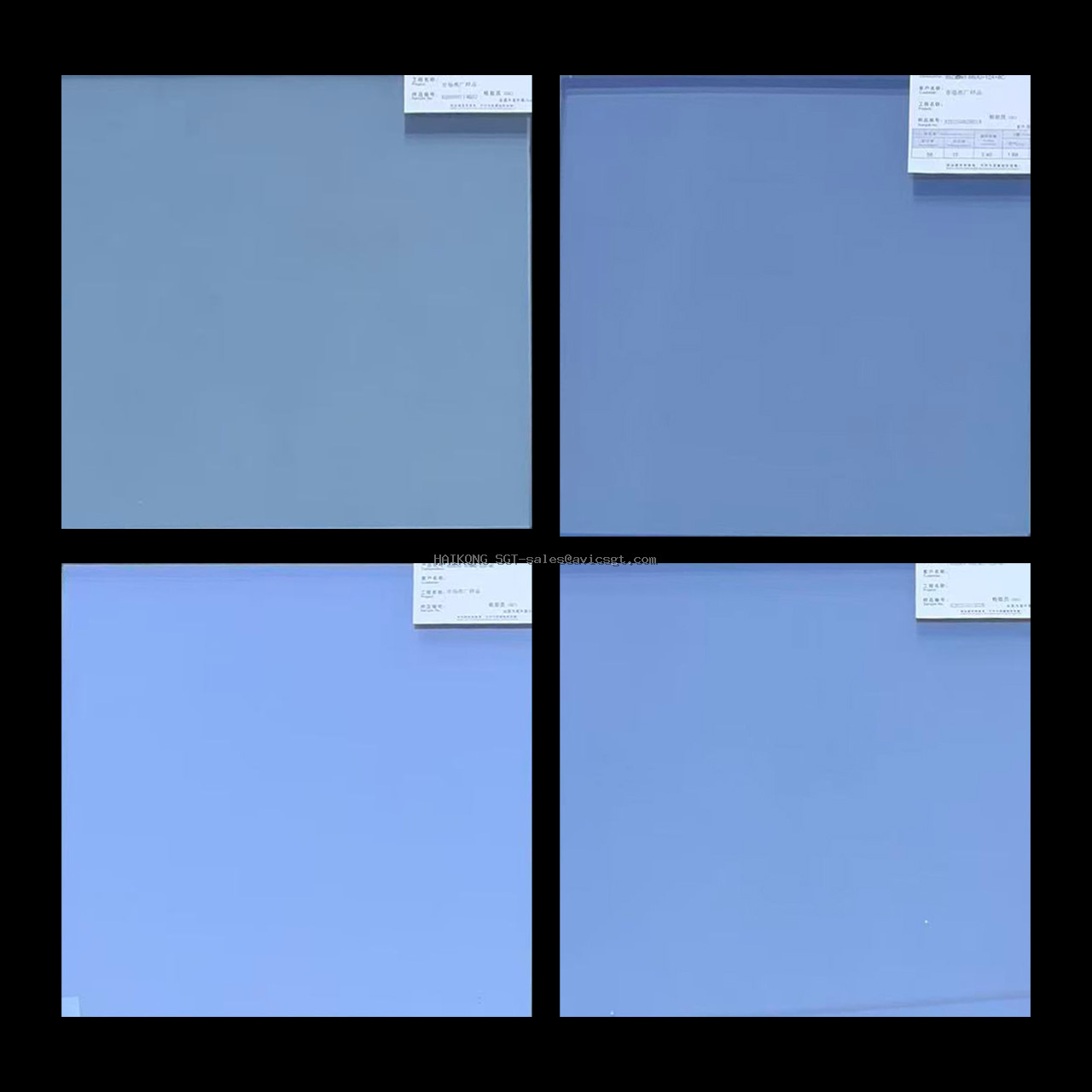
Request a physical sample when appearance matters. A pattern viewed on a screen may look different on glass because of transparency, lighting, viewing angle, and the background behind the panel.
Ceramic Frit Glass for Hot Climates
In regions such as Saudi Arabia and the UAE, facade design must balance solar heat gain with useful daylight. Ceramic frit coverage can influence visible light transmission and solar radiation entering a building, but the result depends on the pattern, glass substrate, coating system, and complete glazing assembly.
Ceramic frit is not automatically equivalent to Low-E or solar-control glass. Compare documented optical and solar performance data for the proposed configurations before selecting a solution.
| Glazing option | Main consideration | Specification priority |
|---|---|---|
| Clear glass | Unobstructed views and daylight | Solar performance and glare |
| Ceramic frit glass | Pattern, privacy, and light distribution | Coverage and optical data |
| Low-E glass | Heat transfer and energy performance | Coating properties and position |
| Frit plus Low-E | Combined decorative and thermal objectives | Compatibility and tested assembly data |
How to Specify Ceramic Frit Glass for Facades
Before requesting a quotation, prepare a clear specification covering:
- Glass substrate: Identify the glass type and required quality.
- Pattern and color: Supply drawings, coverage percentages, color references, and orientation.
- Thickness and dimensions: State panel sizes, tolerances, and edge-processing requirements.
- Heat treatment: Confirm whether annealed, tempered, or heat-strengthened glass is required and feasible.
- Glass composition: Define single glazing, laminated glass, or an insulated glass unit, including Low-E requirements where applicable.
- Compliance: Identify structural, safety, thermal, and local regulatory requirements.
HAIKONG SGT’s professional laboratory includes a Fourier Transform Infrared Spectrometer, Lambda 1050+ spectrophotometer, 60° angle optical tester, and CM700D portable color difference meter. These instruments support optical, thermal, and color evaluation; confirm the specific tests and acceptance criteria required for your project.
Quality Control and Sample Approval
Before mass production, agree on a representative sample and written acceptance criteria. Review color consistency, pattern positioning, dimensions, surface defects, and the appearance of the finished glass assembly.
Where required, request evidence of enamel adhesion, durability, and relevant safety or performance testing. Approve the sample under agreed lighting and viewing conditions, and document the approved reference for subsequent production batches.
How to Choose a Ceramic Frit Glass Manufacturer
Evaluate manufacturers on more than price. Ask about:
- Available printing, firing, tempering, and laminated or insulated glass processing capabilities.
- Quality-control procedures and access to relevant test data.
- Experience with comparable facade designs and project specifications.
- Sample approval, dimensional tolerances, packaging, export documentation, and delivery planning.
HAIKONG SGT traces its glass-industry history to 1994 and operates within Hainan Development Co., Ltd. When evaluating the company for a specific ceramic frit project, confirm the required processing capabilities, product availability, and delivery scope directly.
FAQ
Is architectural ceramic fritted glass suitable for building facades?
Yes. It can suit many facade designs, provided the glass construction, fixing method, structural loads, safety requirements, and applicable codes are addressed.
What patterns and colors are available?
Options can include dots, lines, gradients, geometric motifs, and custom designs. Confirm available colors and achievable effects using manufacturer-approved samples.
Is ceramic frit glass durable?
Durability depends on the enamel formulation, firing process, glass construction, and quality verification. Request relevant test evidence rather than assuming every product performs identically.
Can ceramic frit glass reduce solar heat gain?
Pattern coverage can affect daylight and solar transmission, but the actual effect requires performance data for the proposed glass assembly.
Can ceramic frit glass be combined with Low-E glass?
Potentially, yes. Confirm coating position, heat-treatment compatibility, and insulated glass construction with the manufacturer.
Can ceramic frit glass be tempered or laminated?
Some configurations can be processed this way, but feasibility depends on glass type, thickness, dimensions, equipment, and the complete assembly. Verify the specific design before ordering.
Conclusion
Choosing architectural ceramic fritted glass requires a balance of appearance, durability, safety, and thermal performance. By defining your pattern, glass construction, processing requirements, and acceptance criteria early, you can reduce specification uncertainty and make more informed purchasing decisions. HAIKONG SGT’s experience in architectural glass processing provides a starting point for discussing project-specific requirements.
Plan Your Facade Glass Specification with HAIKONG SGT
Contact HAIKONG SGT at sales@avicsgt.com or call 0086 0752-5199008 to discuss your facade drawings, preferred patterns, glass dimensions, and performance requirements. Share your project specifications to determine the appropriate processing options and sample-approval requirements.