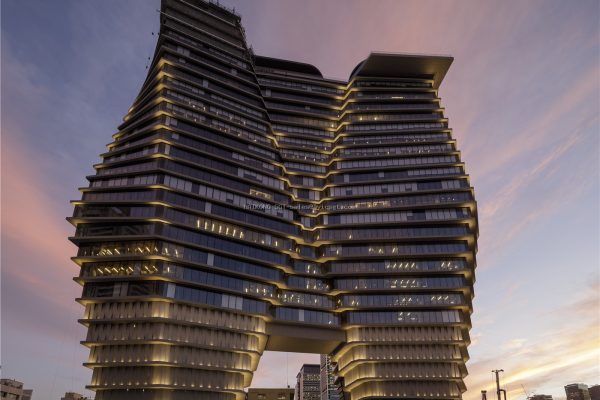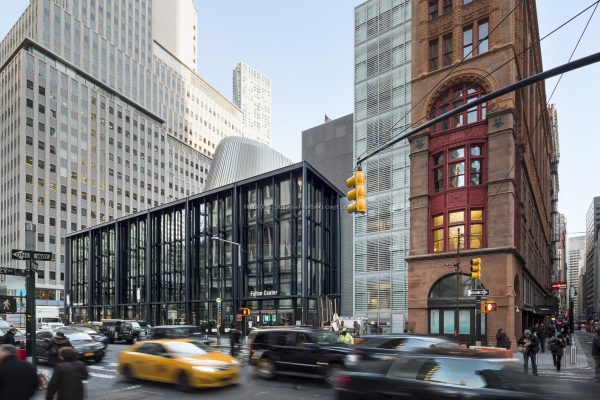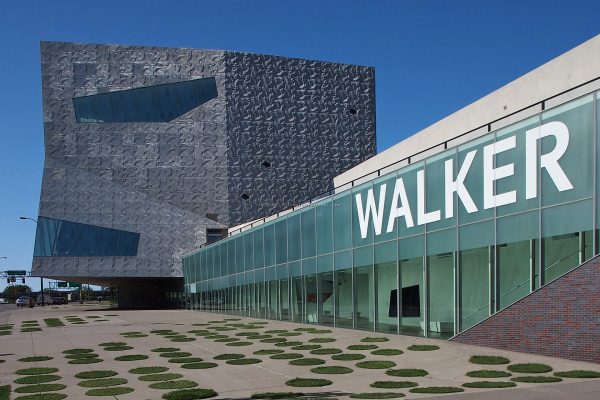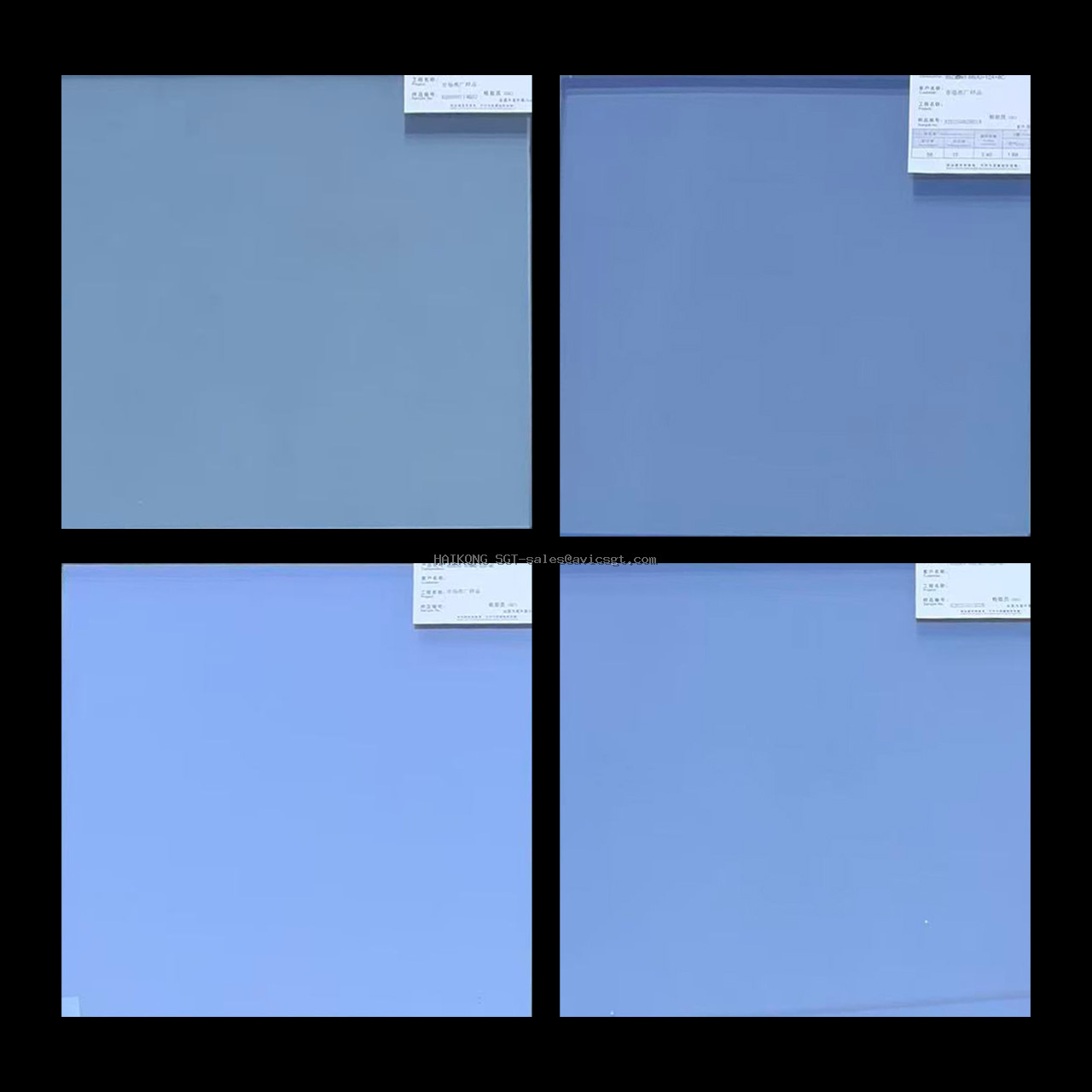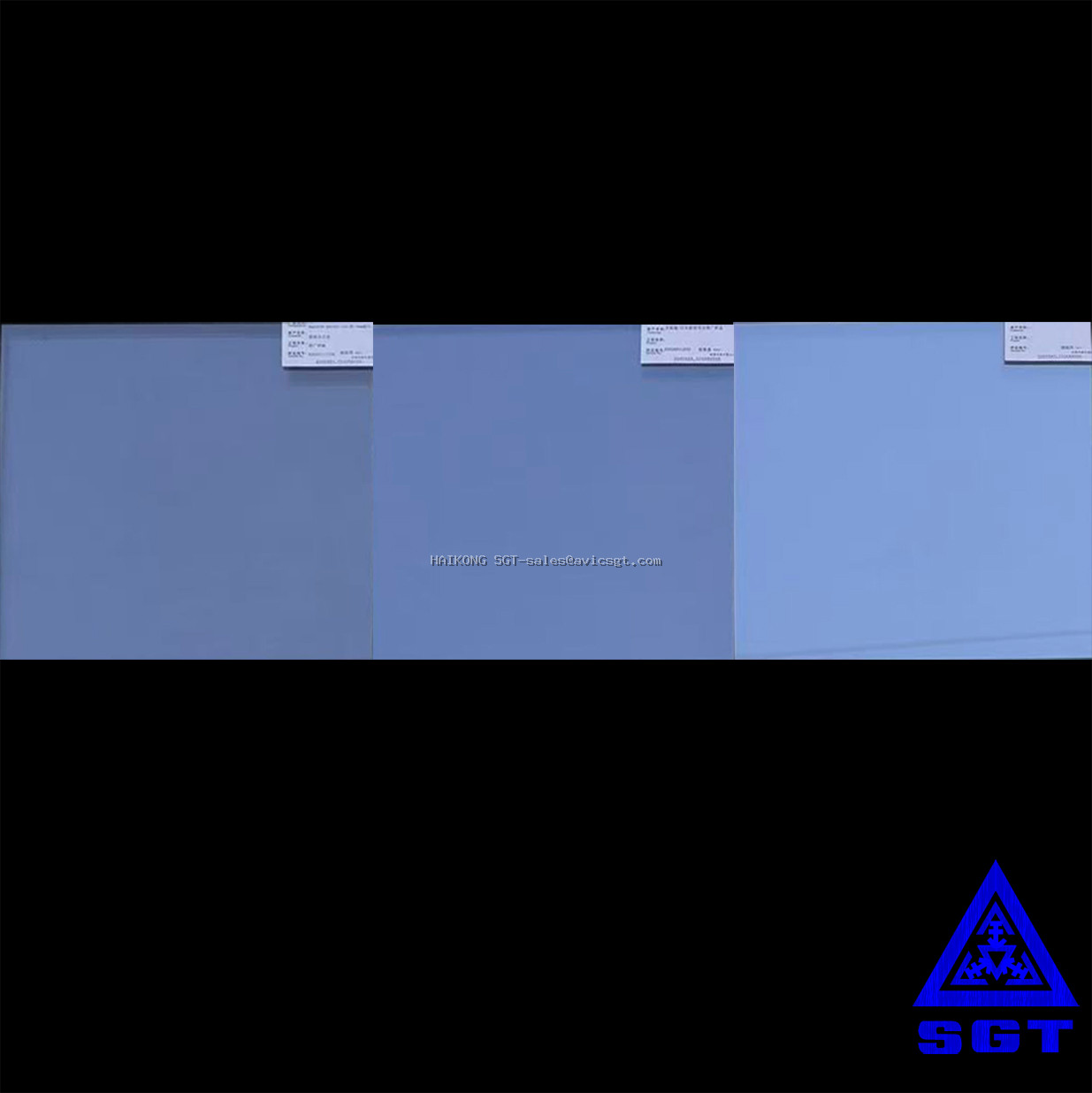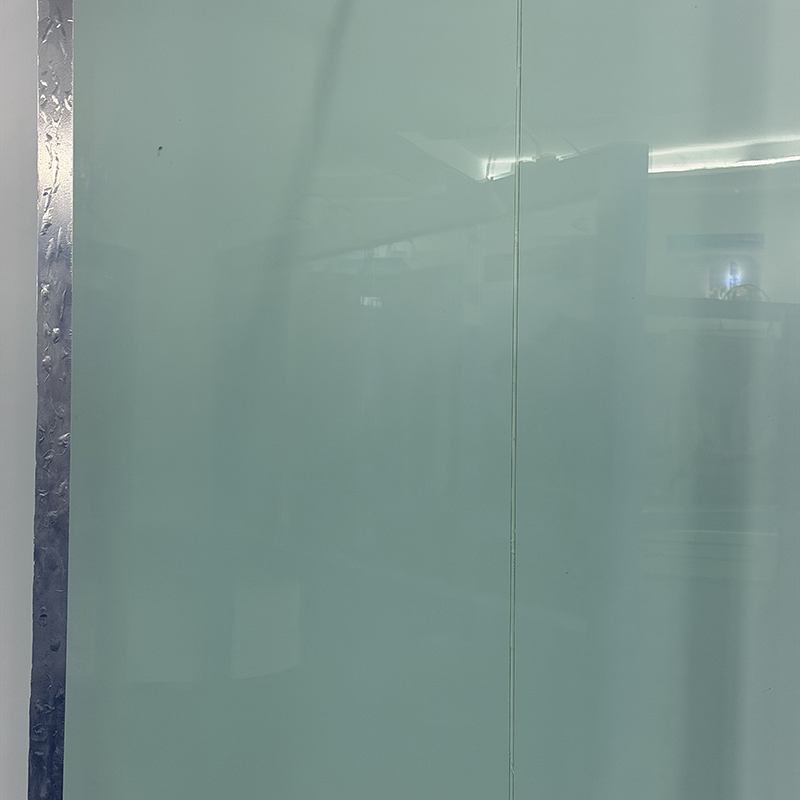
Coastal buildings face a hidden durability challenge: many luxury seaside hotels, oceanfront residences, and frameless glass balcony systems begin showing edge whitening, bubbles, and black edge marks within only 2–3 years after installation. These failures are usually caused by moisture penetration, poor edge protection, or unsuitable interlayer selection. glass laminate provides an advanced solution by combining multiple glass layers with high-performance interlayers to improve safety, durability, and long-term reliability.
As a professional architectural glass supplier, Guangdong Haikong Special Glass Technology Co., Ltd. (HAIKONG SGT) uses more than 32 years of glass deep processing experience and supports over 500 global projects with customized laminated glass solutions. Through advanced processing technology and professional testing equipment, SGT helps architects and developers solve complex glass performance challenges.
What Is Glass Laminate?
Glass laminate is a safety glazing structure made by bonding two or more glass sheets with an engineered interlayer through heat and pressure lamination. Unlike ordinary glass, laminated glass remains attached after breakage, reducing safety risks and improving structural performance.
SGT provides multiple special laminated glass solutions, including:
- PVB Laminated Glass
- Widely used safety glass solution for architectural applications
- Excellent impact resistance and glass retention after breakage
- Good acoustic insulation and UV protection performance
- Suitable for residential buildings, commercial projects, and curtain wall systems
- Requires proper edge sealing for long-term performance in humid environments
- PET Laminated Glass
- High tensile strength of approximately 150–200 MPa
- Excellent tear resistance and optical clarity
- Improved acoustic insulation performance
- Suitable for demanding architectural applications
- SGP Laminated Glass
- Low moisture absorption
- Higher stiffness than traditional PVB systems
- Excellent edge stability in exposed environments
- Suitable for coastal buildings and frameless glass structures
- Special Lamiated Glass
- Aluminum mesh for moderate electromagnetic shielding
- Copper mesh for high-performance EMI protection
- Used in data centers, laboratories, and security facilities
- Special Lamiated Glass
- Integrates decorative fabrics, textiles, or customized patterns between glass layers
- Provides unique visual effects and architectural design flexibility
- Maintains safety performance with glass retention after breakage
- Suitable for interior partitions, hotel decoration, luxury retail spaces, and creative architectural applications
- Supports customized colors, textures, and designs for high-end projects
SGT supports customized laminated glass configurations with sizes up to 3300 mm × 18000 mm, thickness ranges from 6–80 mm, and multi-layer structures including 2-ply, 3-ply, and 4-ply designs.
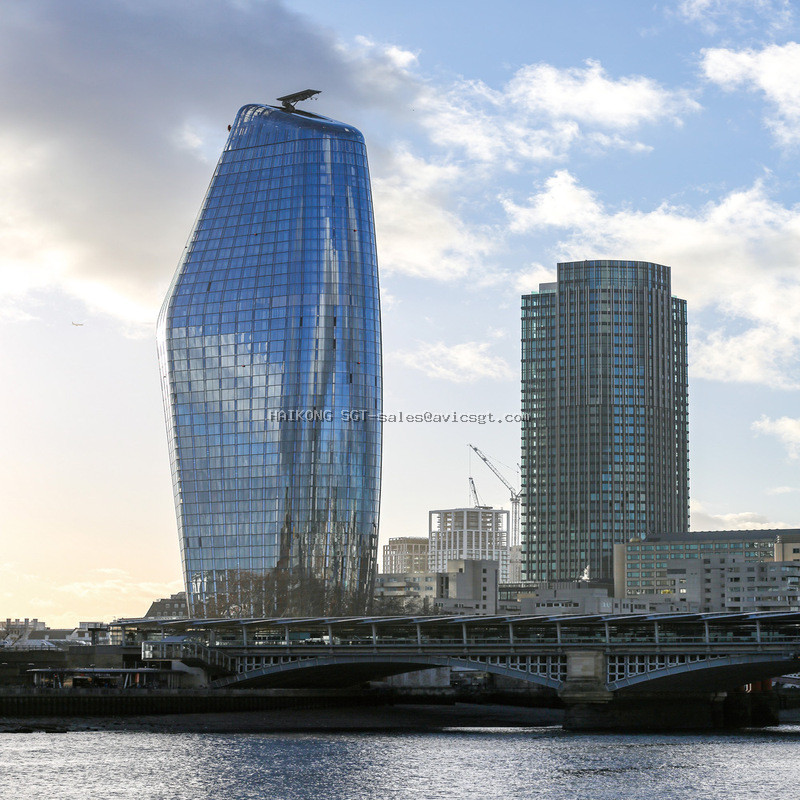
Why Do Coastal Glass Installations Fail After 2–3 Years?
The Coastal Silent Killer: Laminated Glass Edge Delamination
In marine environments, glass edges are constantly exposed to:
- Salt spray from seawater
- Heavy humidity
- Rainwater penetration
- UV radiation
- Temperature fluctuations
For projects such as seaside hotels, glass balustrades, and outdoor frameless balconies, the glass edge becomes the most vulnerable area.
When moisture enters the laminated structure, the interlayer bonding performance gradually decreases. The result can include:
- Cloudy or white edges
- Internal bubbles
- Black discoloration
- Partial delamination between glass layers
These problems not only affect appearance but may also reduce long-term safety performance.
Root Causes of Laminated Glass Delamination
1. Moisture Penetration and Interlayer Degradation
Traditional PVB interlayers have good safety performance, but they are more sensitive to moisture compared with advanced ionoplast interlayers. In coastal environments, continuous exposure to salt water and humidity may accelerate edge deterioration if the sealing system is insufficient.
2. Structural Sealant Compatibility Problems
The connection between laminated glass and structural sealant is critical.
If the sealant is chemically incompatible with the interlayer system, plasticizer migration may occur. This process weakens the adhesion between glass and interlayer, eventually causing edge bubbles and delamination.
Therefore, professional projects should conduct sealant compatibility testing before installation.
3. Improper Edge Processing
Small cracks, rough edges, or untreated glass corners can create moisture entry points.
Professional edge grinding and polishing reduce micro-damage and improve the bonding area between glass layers.
Four Engineering Solutions to Prevent Edge Failure
1. Upgrade the Interlayer System
For exposed coastal applications, engineers often select SGP laminated glass instead of standard PVB systems.
SGP provides:
- Lower moisture absorption
- Higher structural strength
- Better edge stability
- Improved performance for frameless applications
For projects requiring special functions, PET and metal mesh laminated glass provide additional acoustic, security, and electromagnetic shielding performance.
2. Apply Professional Edge Sealing Technology
A reliable edge protection system requires:
- Compatible neutral silicone structural sealant
- Proper sealant thickness and coverage
- Compatibility testing before installation
- Complete edge sealing protection
This prevents water infiltration and extends laminated glass service life.
3. Improve Glass Edge Treatment
The recommended processing route includes:
- Cutting glass according to project requirements
- Grinding and polishing edges
- Cleaning glass surfaces carefully
- Installing interlayers or mesh materials
- Completing vacuum treatment and autoclave lamination
- Performing quality inspection before delivery
This process reduces hidden defects and improves bonding reliability.
4. Control Factory Processing and Storage Conditions
Laminated glass quality depends not only on materials but also manufacturing control.
SGT laboratory facilities include:
- Fourier Transform Infrared Spectrometer
- Lambda 1050+ spectrophotometer
- 60° angle optical tester
- CM700D portable color difference meter
These systems evaluate optical, thermal, and color performance to ensure products meet international project requirements.
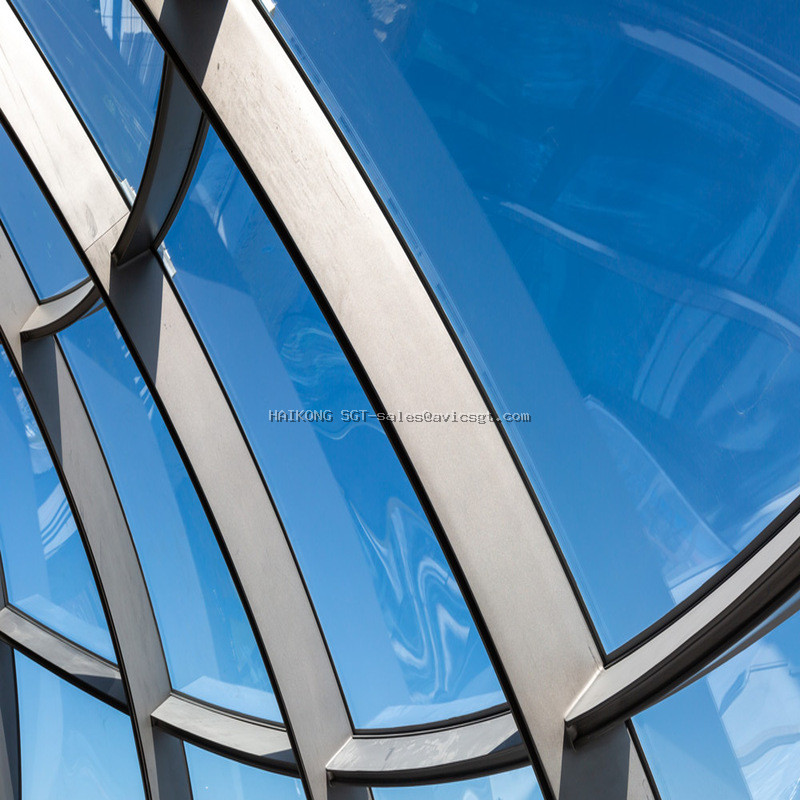
PET, SGP and Metal Mesh Laminated Glass Comparison
| Feature | PET Laminated Glass | SGP Laminated Glass | Metal Mesh Laminated Glass |
|---|---|---|---|
| Main Function | Strength and acoustic control | Safety and structural durability | EMI shielding and security |
| Moisture Resistance | Excellent | Excellent | Depends on system design |
| Coastal Application | Suitable | Highly suitable | Suitable with proper sealing |
| Acoustic Performance | Excellent | Good | Moderate |
| Special Protection | Impact resistance | High stiffness | Electromagnetic shielding |
Applications of SGT Special Laminated Glass
HAIKONG SGT provides customized glass solutions for:
- Oceanfront hotels and resorts
- Commercial curtain walls
- Outdoor glass railings
- Luxury residential balconies
- Airports and noise-control buildings
- Data centers and medical facilities
- Government and security projects
With global project experience across North America, Europe, Asia, and China, SGT delivers architectural glass solutions designed for different environmental conditions.
FAQ
1. Why does laminated glass turn white at the edge?
Edge whitening usually occurs because moisture enters the laminated structure and affects the interlayer bonding. Poor sealing and unsuitable materials can accelerate this process.
2. Is SGP better than PVB for coastal applications?
For exposed marine environments, SGP generally provides better moisture resistance and edge stability, making it suitable for frameless balconies, coastal buildings, and high-performance glazing systems.
Conclusion
Selecting the right glass laminate system is essential for buildings exposed to humidity, salt spray, and demanding outdoor conditions. Through advanced interlayer technology, professional edge protection methods, and strict laboratory testing, HAIKONG SGT provides reliable laminated glass solutions for global architectural and industrial projects.
With customized PET, SGP, and metal mesh laminated glass options, SGT helps customers achieve safer, more durable, and better-performing glass structures.
Contact HAIKONG SGT today to discuss your laminated glass requirements and receive an engineered solution for your next project.