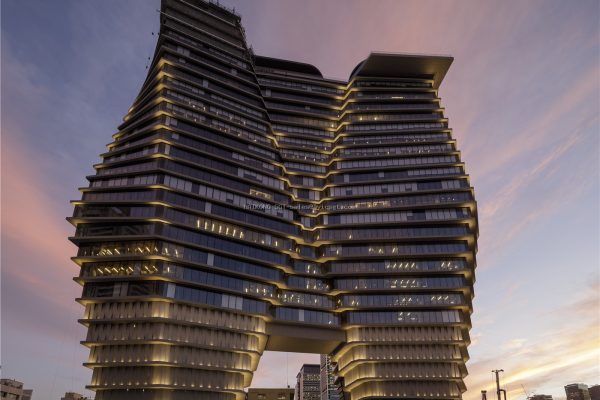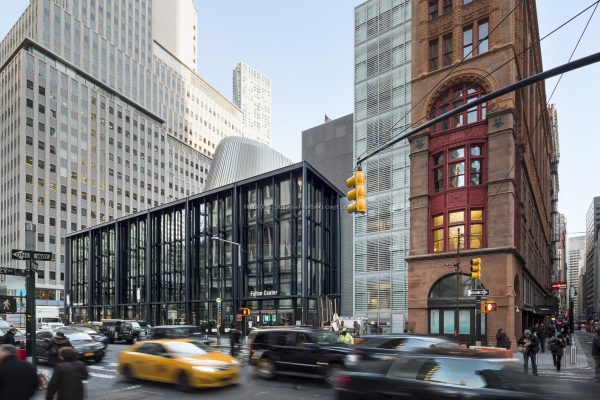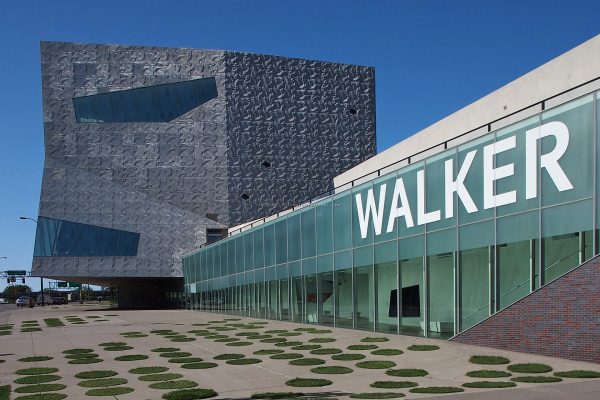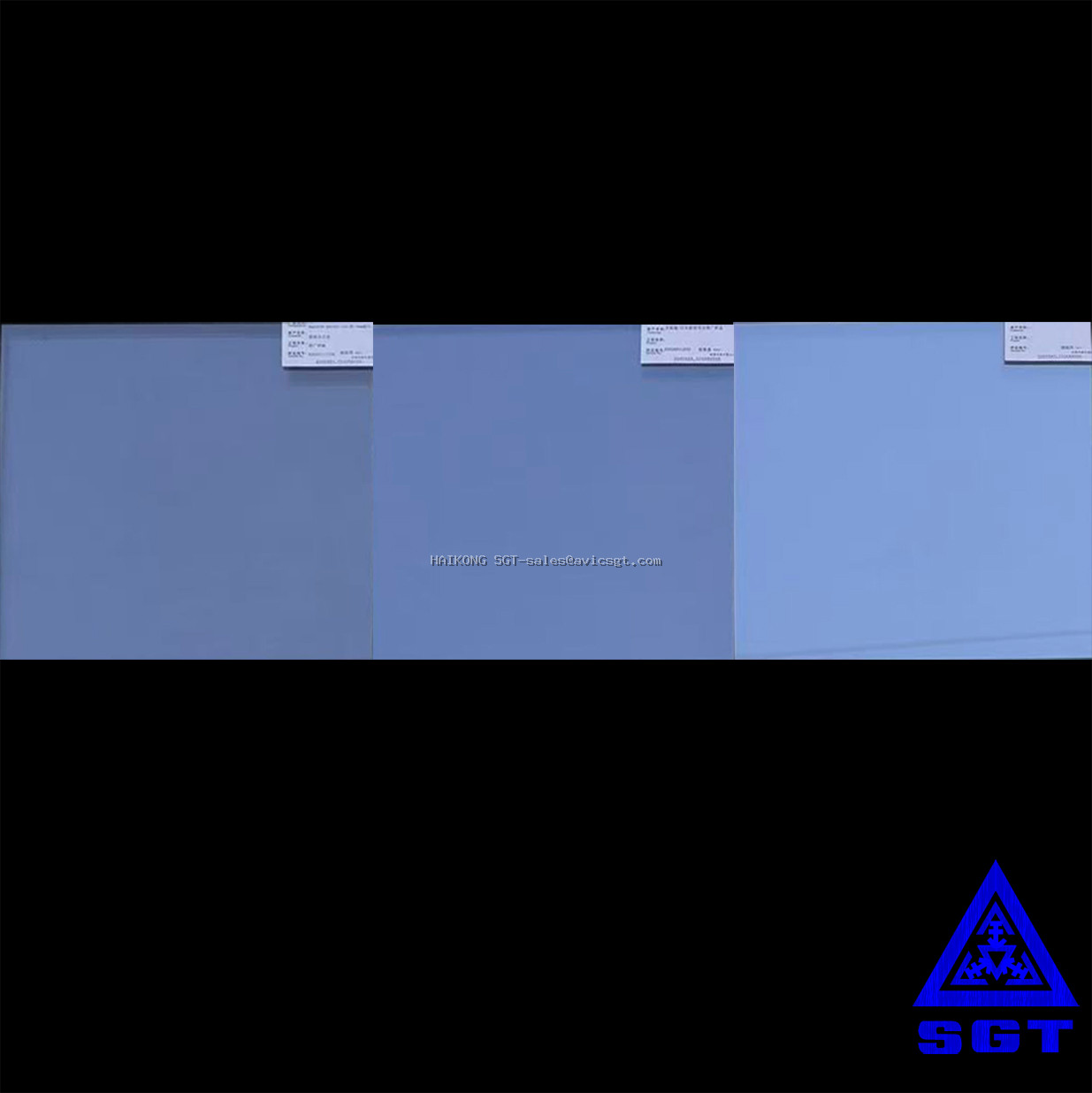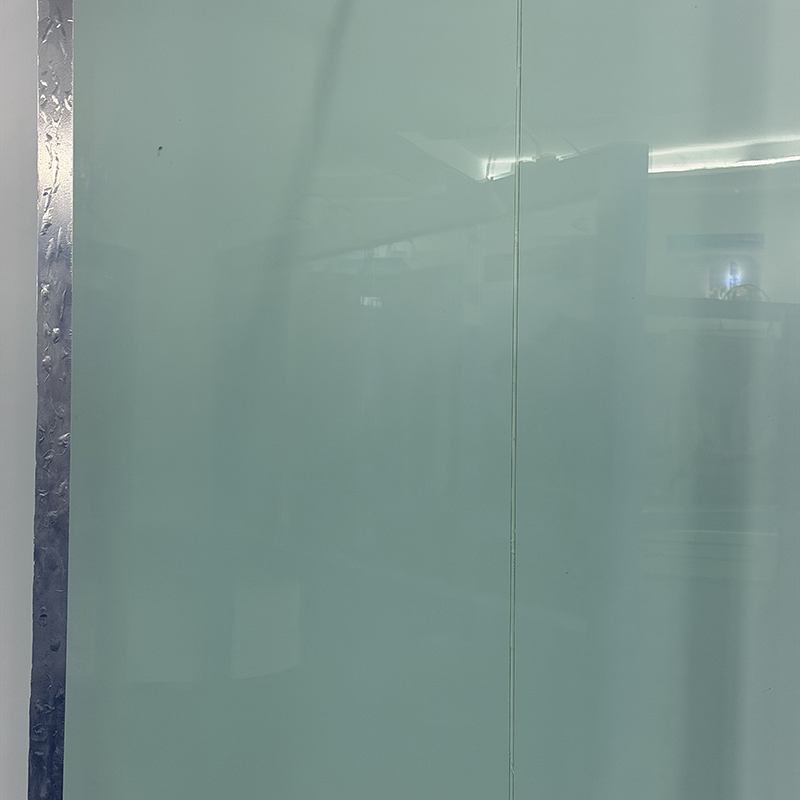
Laminated Glass vs Ceramic Frit Glass defines how a facade system performs in optical control, durability, and long-term weathering behavior. In addition, it directly affects how a building envelope responds to UV exposure, thermal cycling, and structural movement over time.
In facade engineering, designers typically divide architectural glass into two functional zones.
First, vision glass allows daylight to enter the building and provides clear external visibility.
Meanwhile, spandrel glass conceals structural elements such as floor slabs, insulation, and mechanical systems behind the facade skin.
However, when designers misapply these two functions or fail to differentiate them clearly, the facade often develops long-term issues. For example, the building may show uneven visual rhythm, inconsistent aging, or reduced optical performance.
Therefore, HAIKONG SGT develops both laminated and ceramic frit glass systems specifically for engineered facade applications. Moreover, its controlled production process stabilizes optical consistency and improves interlayer performance in real construction environments.
Core Material Difference
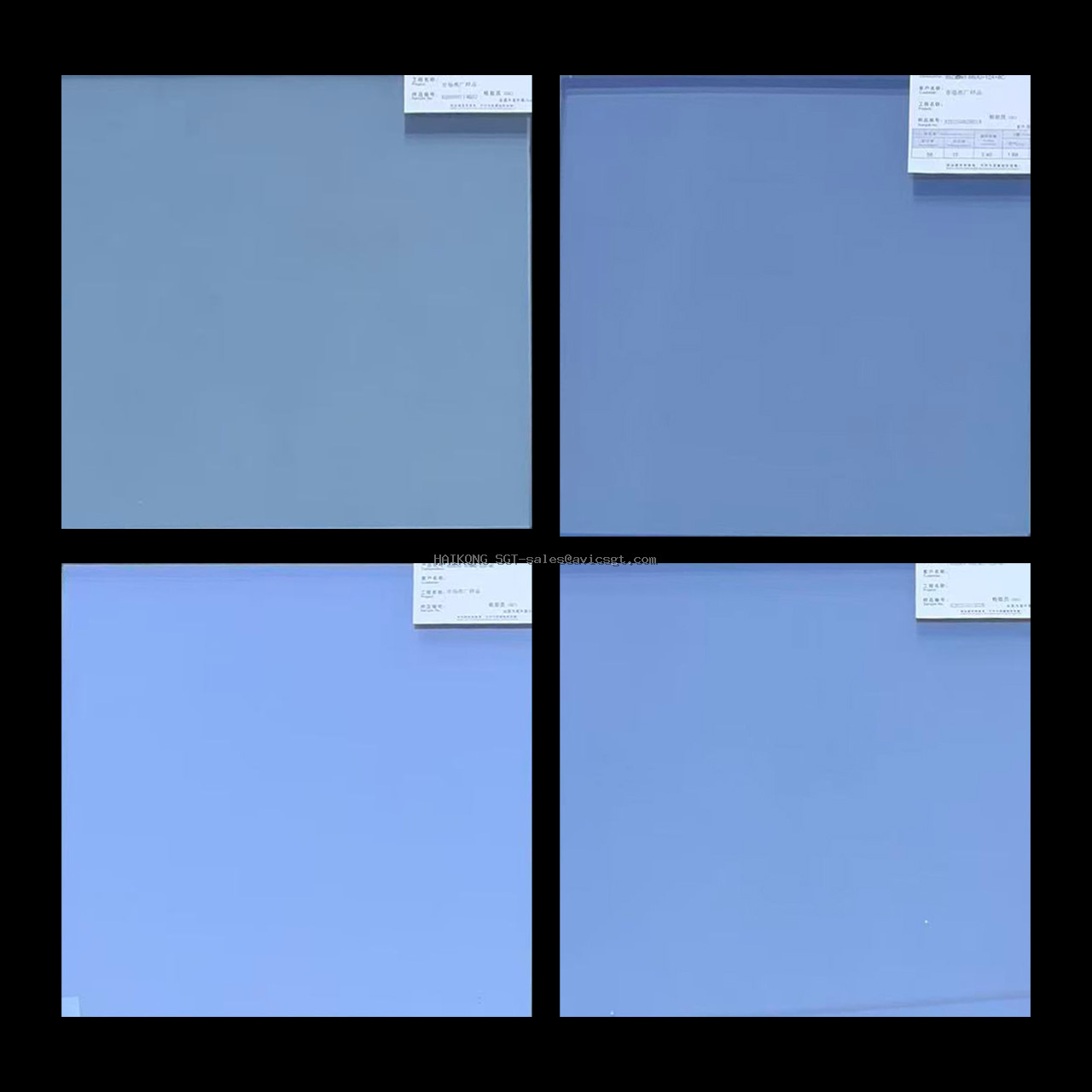
Colored PVB Laminated Glass
In colored PVB laminated glass, manufacturers embed pigment inside the polyvinyl butyral interlayer instead of applying it on the glass surface. As a result, light travels through multiple glass and interlayer layers before it reaches the viewer.
This process creates a translucent visual effect with noticeable depth. In contrast to surface coatings, the color does not sit on top of the glass but integrates within the laminated structure.
Moreover, because manufacturers distribute pigment inside the interlayer stack, the visual appearance changes subtly under different lighting angles. Therefore, the glass produces a soft, layered diffusion effect rather than a flat surface finish.
Colored PVB Laminated Glass vs Ceramic Frit Glass
Ceramic Frit Glass
Manufacturers produce ceramic frit glass by applying ceramic ink onto the glass surface first. Then they fire the glass at approximately 600–700°C. During firing, the frit layer vitrifies and bonds permanently to the glass surface.
Unlike laminated interlayers, this ceramic layer becomes part of the glass surface structure. As a result, it delivers strong resistance to UV degradation, humidity exposure, and long-term weathering.
Comparison Overview
| Performance Factor | Laminated Glass | Ceramic Frit Glass |
|---|---|---|
| Optical Behavior | Translucent / tinted transmission | Opaque / patterned concealment |
| Structural Role | Vision zones | Spandrel zones |
| UV Stability | Medium–High (depends on edge sealing) | Very High |
| Durability | High | Very High |
| Maintenance Requirement | Medium | Low |
Colored PVB Laminated Glass – Performance Advantages
Colored PVB laminated glass creates optical depth through interlayer-based color modulation. Instead of surface coating, manufacturers distribute color within the interlayer stack. As a result, the system achieves controlled light transmission with a softened visual output.
Multi-layer lamination systems can incorporate up to four interlayers. This allows architects to blend complex facade tones through stacked pigment films without relying on surface coatings or external finishes.
From a safety perspective, the laminated structure maintains post-breakage integrity. When glass fractures, the interlayer holds fragments in place. This reduces glass fallout risk and improves facade safety performance.
Engineering Considerations – Laminated Glass
Laminated glass performance depends heavily on interlayer edge sealing quality. If sealing fails, moisture enters the edge area and causes long-term interfacial degradation. In facade engineering, professionals refer to this issue as edge delamination.
In high UV or coastal environments, interlayers may gradually shift in color due to aging behavior.
To control this, HAIKONG SGT applies cleanroom lamination processes and precision edge sealing systems. These systems reduce moisture exposure and improve long-term optical stability.
Ceramic Frit Glass – Performance Advantages
Ceramic frit glass delivers permanent surface integration of color and pattern through vitrified ceramic bonding. Once manufacturers complete firing, the frit layer resists UV radiation, temperature changes, and atmospheric exposure.
In spandrel applications, ceramic frit glass fully conceals structural components. It hides floor slabs, mechanical systems, and building services behind the facade skin while maintaining exterior visual consistency.
It also supports bird-friendly facade systems. Designers use dot or gradient frit patterns to reduce reflection intensity. This helps reduce bird collisions and supports LEED-oriented sustainability strategies.
Engineering Considerations – Ceramic Frit Glass
Ceramic frit glass becomes opaque when designers increase coverage ratios. Therefore, engineers avoid using it in vision zones where transparency and daylight access are required. Instead, they assign it to spandrel and solar-control facade regions where concealment and thermal regulation matter more.
Architectural Decision Logic
Facade material selection should follow functional zoning rather than visual preference.
Use Colored PVB Laminated Glass when:
- Designers need controlled tinting in transparent vision zones
- Canopy structures require overhead safety with soft light diffusion
- Atrium skylights require layered daylight and color depth effects
Use Ceramic Frit Glass when:
- Spandrel zones require full structural concealment
- Facades require solar control and glare reduction
- Designers integrate permanent graphics or branding into the building skin
Application Scenarios
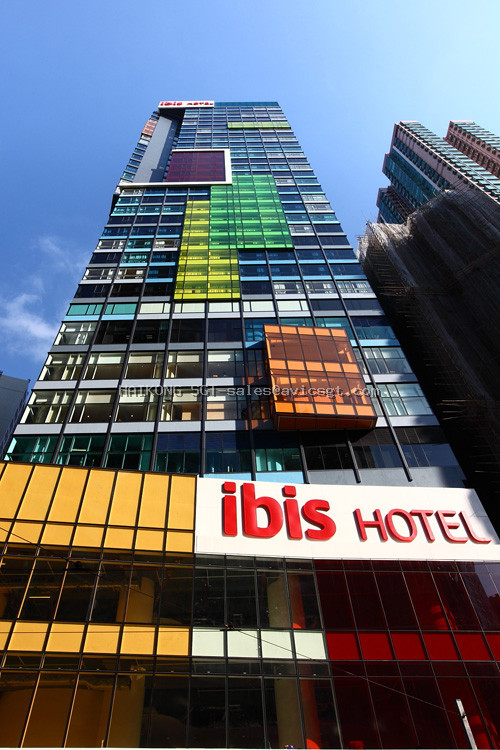
Modern high-rise facades often combine both systems.
Designers install laminated glass in vision zones to ensure transparency and occupant comfort. At the same time, they apply ceramic frit glass in spandrel zones to conceal structure and control facade opacity.
Entrance canopies often use laminated glass to create architectural identity through controlled color transmission. Atrium skylights rely on laminated interlayers to balance daylight and glare.
In green-certified projects, engineers frequently specify ceramic frit glass for bird-friendly facade compliance. Retail and commercial buildings often combine both systems to balance transparency with concealment.
FAQ
1. How do Laminated Glass and Ceramic Frit Glass perform over long-term service life?
Laminated glass performs well in stable environments and maintains strong optical clarity over time. However, its performance depends on interlayer edge sealing quality. In harsh UV or coastal environments, the interlayer may gradually change color or degrade at the interface.
Ceramic frit glass performs better in long-term exposure conditions. The fired ceramic layer bonds permanently to the glass surface. As a result, it resists UV exposure, moisture ingress, and chemical weathering over extended service life.
2. Can Laminated Glass and Ceramic Frit Glass be combined in one facade system?
Yes. Modern facade engineering uses hybrid systems as a standard approach.
Engineers install laminated glass in vision zones for transparency and daylight control. At the same time, they install ceramic frit glass in spandrel zones for concealment and thermal control.
This zoning strategy improves facade performance consistency and strengthens architectural hierarchy.
HAIKONG SGT supplies both systems under coordinated production control. This ensures consistent color matching, optical behavior, and facade integration.
Conclusion
Laminated Glass vs Ceramic Frit Glass represents a functional facade engineering decision rather than a purely visual choice.
Laminated glass provides controlled translucency, color depth, and safety performance in vision applications. Ceramic frit glass delivers durable surface integration, structural concealment, and long-term environmental resistance.
When engineers assign each system correctly, both materials improve facade performance stability and extend architectural lifecycle.
HAIKONG SGT supports global facade engineering projects with glass systems designed for real structural and environmental performance requirements.