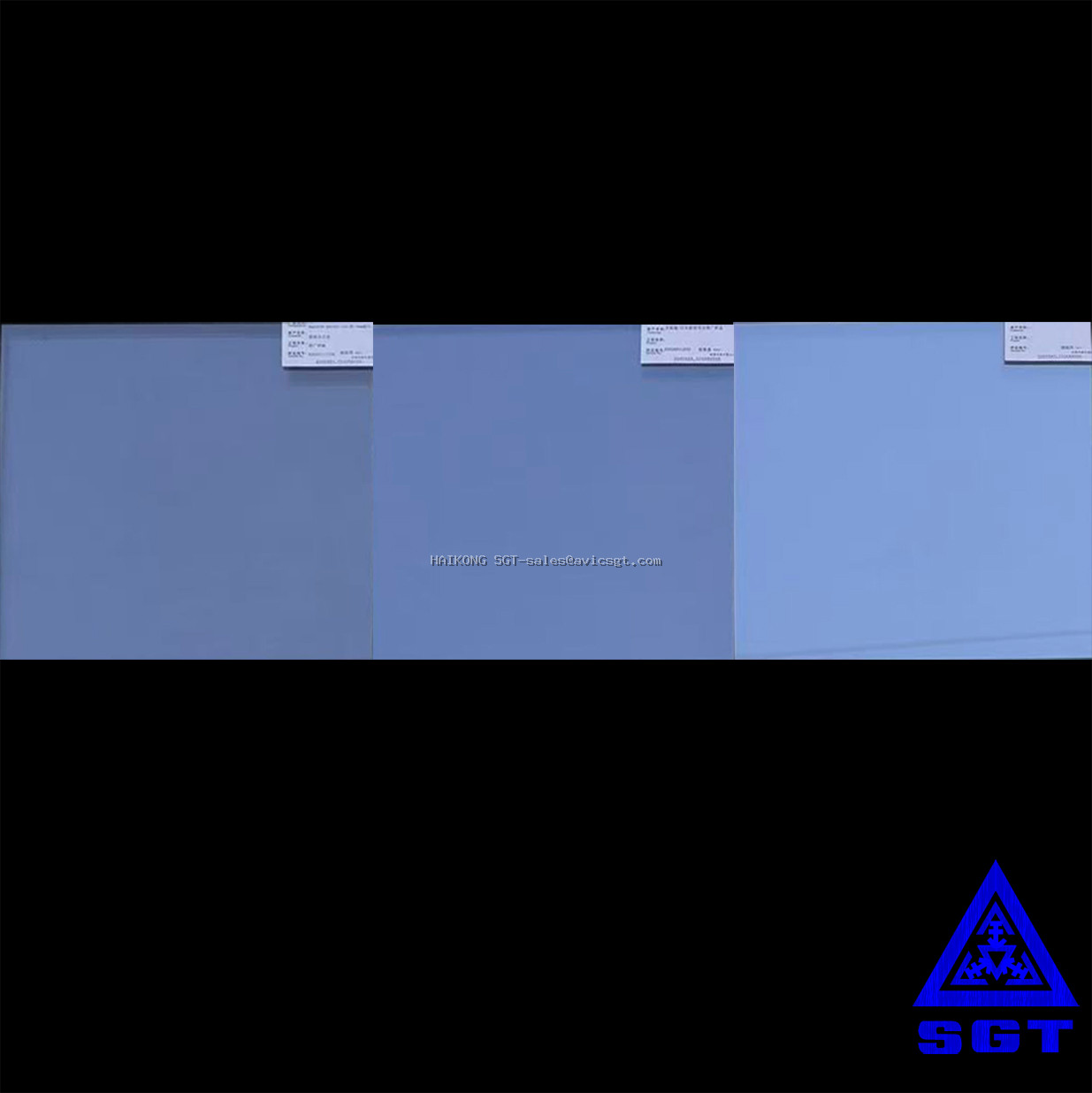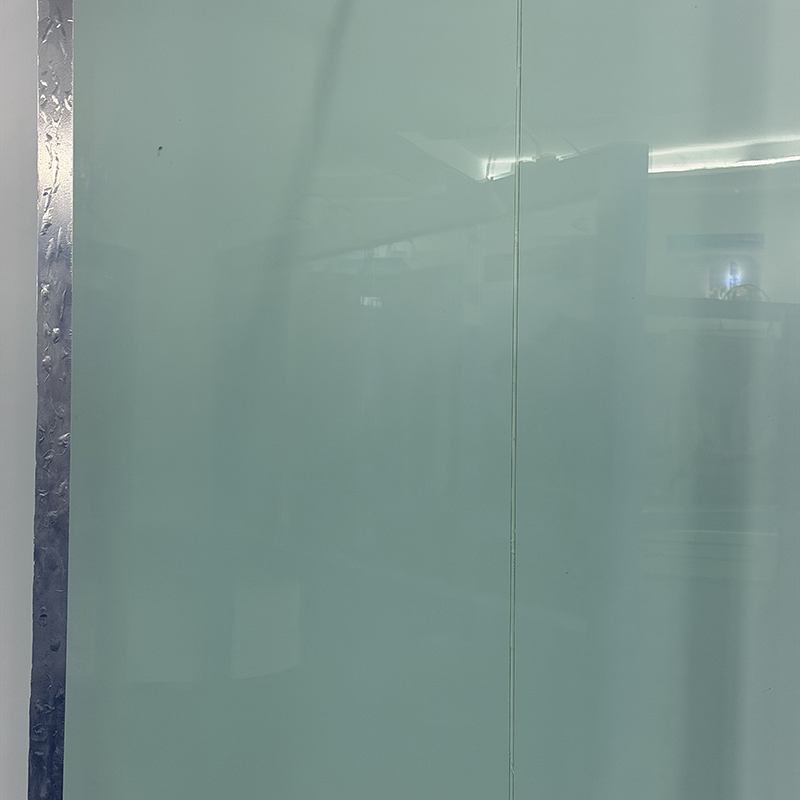
When you select glass for a large-scale building project, safety, compliance, and long-term durability are critical concerns. Laminated glass provides a reliable solution because it maintains structural integrity after impact and reduces the risk of dangerous glass fallout. However, many architects and contractors still face challenges choosing a qualified supplier that meets international certification requirements.
As an experienced laminated glass manufacturer, Guangdong Haikong Special Glass Technology Co., Ltd. (HAIKONG SGT) provides customized laminated glass solutions for curtain walls, facades, skylights, security glazing, and other demanding applications. With a 200,000 m² production base in Huizhou, China, HAIKONG SGT combines advanced manufacturing equipment, engineering expertise, and international compliance experience.
What Is Laminated Glass and Why Does It Matter?
Laminated glass is a safety glazing product made by bonding two or more glass sheets with polymer interlayers. Through high-temperature pre-pressing and autoclave processing, the glass layers become a durable composite structure.
Unlike ordinary glass, laminated safety glass keeps fragments attached to the interlayer after breakage. This feature helps protect people, buildings, and valuable assets.
Key advantages include:
- Improved safety performance after impact
- Better sound insulation for urban environments
- Up to 99% UV protection with suitable interlayers
- Enhanced resistance against forced entry and extreme weather
- Custom thickness from 6 mm to 80 mm
For modern architecture, laminated glass is widely used in curtain walls, high-rise windows, glass railings, skylights, and security glazing systems.
HAIKONG SGT Custom Laminated Glass Manufacturing Capability
Choosing the right manufacturer requires more than product availability. You need production capacity, quality control systems, and engineering support.
HAIKONG SGT operates a large-scale China glass fabrication factory equipped with:
- 5 automated production lines integrating cutting, edging, cleaning, and tempering
- 3 laminated glass production lines
- 4 autoclaves for advanced bonding processes
- 4 insulating glass production lines
- 1 Low-E magnetron sputtering coating line
- Digital ceramic frit printing equipment for customized designs
The factory can process glass sizes from 0.3 m × 0.3 m up to 3.0 m × 11.0 m. Laminated glass products support maximum dimensions of 3300 mm × 18000 mm with customized 2-ply, 3-ply, 4-ply, and multilayer structures.
International Certifications for Exporting Laminated Glass
Global construction projects require reliable compliance with regional safety standards. HAIKONG SGT focuses on meeting major international requirements for architectural glass applications.
SGCC Certification and ANSI Z97.1 Standards
For the US and Canadian markets, SGCC certification verifies that safety glazing products meet strict performance requirements.
Key requirements include:
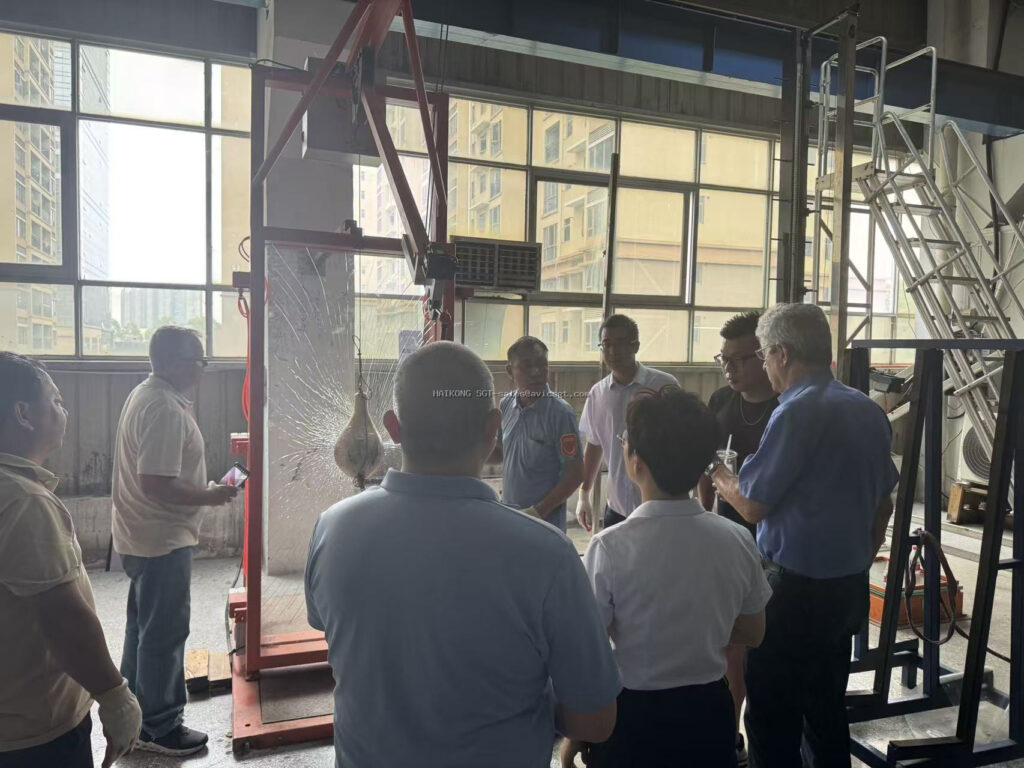
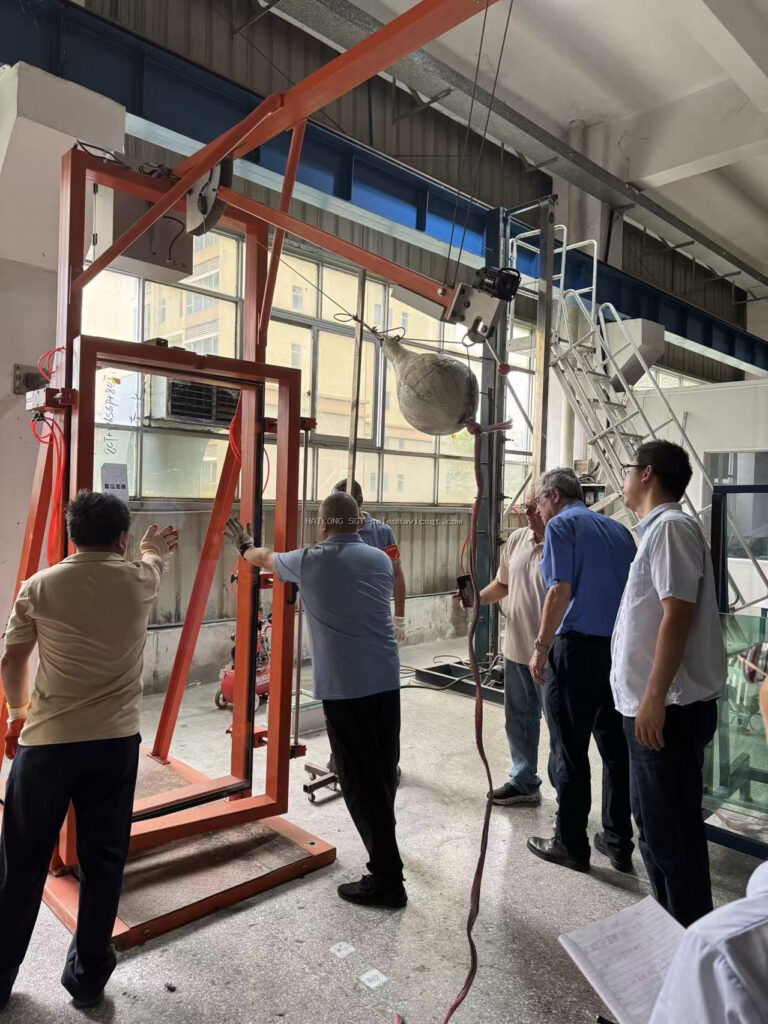
- Shot bag impact testing to evaluate impact resistance and safety performance. This test simulates real-world impact conditions by using a weighted bag to strike the glass surface, helping assess whether laminated glass can absorb impact energy and prevent dangerous breakage.
- Testing at specific drop heights, including 48-inch impact conditions, to evaluate the glass’s ability to withstand different impact forces.
- Fragment retention performance after glass breakage, ensuring that the polymer interlayer holds broken glass fragments together and reduces the risk of injury.
- Regular factory audits and random product inspections to maintain consistent product quality.
SGCC compliance helps ensure laminated glass performs safely in residential, commercial, and public buildings.
CE Marking and EN 14449 Compliance
European construction projects commonly require laminated glass that complies with EN 14449 under the Construction Products Regulation (CPR).
Important evaluation criteria include:
- EN 356 impact resistance testing for security applications. The standard evaluates laminated glass protection levels from P1A to P5A by using a 4.11 kg steel ball dropped freely from different heights to simulate impact resistance requirements. Higher levels indicate greater resistance against repeated impacts and forced entry attempts.
- P1A to P5A protection levels for anti-vandal and anti-burglary performance, ensuring laminated glass can delay penetration and maintain safety after impact.
- High-temperature resistance testing to evaluate durability under thermal stress.
- UV exposure evaluation to prevent bubbles, discoloration, and interlayer delamination during long-term outdoor use.
For advanced safety applications, laminated glass may also be tested under more demanding impact standards, such as the Miami-Dade County Large Missile Impact Test for hurricane-resistant glazing. During this test, a wooden beam traveling at approximately 50 km/h impacts the glass surface to simulate flying debris during extreme weather events. The PVB or SGP interlayer absorbs impact energy through stretching and deformation, helping prevent glass penetration and keeping broken fragments bonded together.
These requirements help ensure laminated glass maintains performance under long-term environmental stress.
AS/NZS 2208 Product Certification
For Australia and New Zealand markets, AS/NZS 2208 certification defines safety glazing requirements.
The standard focuses on:
- Breakage pattern and fragment retention
- Safety performance after glass failure
- Durability testing in challenging environments
- Resistance to coastal climate conditions
Comparison of Global Laminated Glass Standards
| Certification | Market | Main Testing Focus | Factory Requirement |
|---|---|---|---|
| SGCC / ANSI Z97.1 | USA & Canada | Shot bag impact test, safety retention | Regular audits and product testing |
| CE / EN 14449 | Europe | Impact resistance, heat and UV durability | Production quality control system |
| AS/NZS 2208 | Australia & New Zealand | Fragment behavior and durability | Certified safety glass manufacturing |
How HAIKONG SGT Produces Laminated Glass
The manufacturing process follows controlled production steps:
- Cutting and edge processing
Glass sheets are accurately cut according to project drawings before lamination. - Cleaning and preparation
The glass surface is cleaned to ensure strong interlayer bonding. - Interlayer assembly
PVB, SGP, EVA, or PU films are placed between glass layers based on performance requirements. - Pre-lamination and air removal
The assembly passes through rollers to remove trapped air. - Autoclave bonding
The glass is processed under approximately 120–150°C temperature and controlled pressure to create a permanent composite panel.
Laminated Glass Applications in Real Projects
HAIKONG SGT supplies specialty glass solutions for global architectural projects, including:
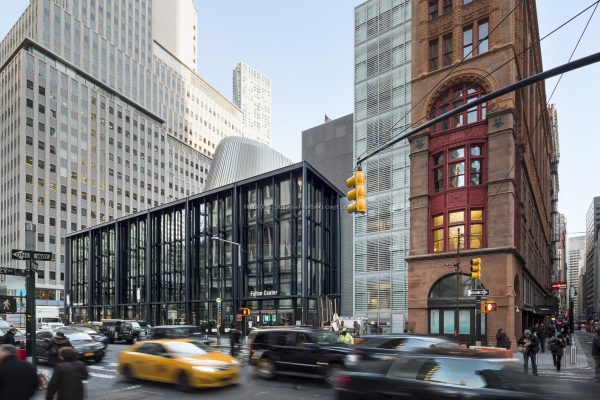
- Fulton Street Transit Center, New York, USA: Low-E insulating glass
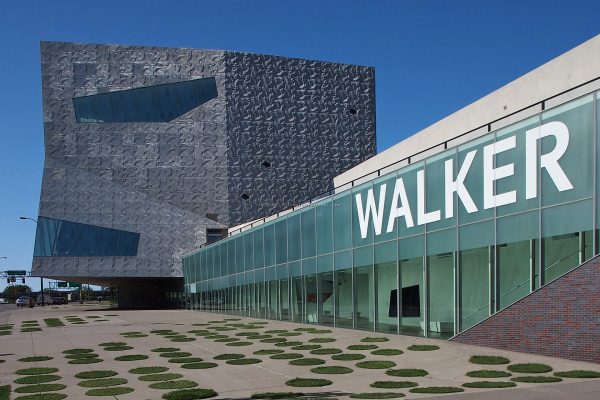
- Walker Art Center, Minneapolis, USA: Low-E tempered laminated and insulated glass
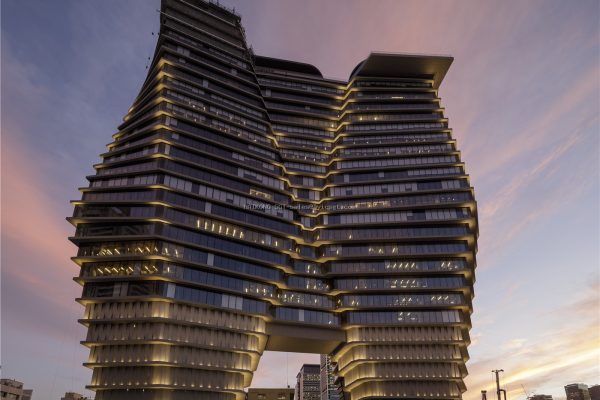
- Macau Galaxy Starworld Hotel, Macau: Digital printing glass
These applications demonstrate how certified glass solutions support transportation hubs, cultural buildings, hotels, and commercial developments.
FAQ
1. What is laminated glass used for?
Laminated glass is commonly used for curtain walls, windows, skylights, railings, security glazing, and acoustic barriers where safety and durability are required.
2. What thickness options are available for laminated glass?
HAIKONG SGT provides laminated glass thickness options from 6 mm to 80 mm, including multilayer structures for higher security and structural requirements.
Conclusion
For architects, developers, and contractors, selecting a reliable laminated glass manufacturer is essential for achieving safe and compliant building designs. HAIKONG SGT delivers customized laminated glass solutions with advanced production equipment, international certification experience, and proven project applications.
Contact HAIKONG SGT today to discuss your architectural glass requirements and receive professional recommendations for certified laminated glass solutions.