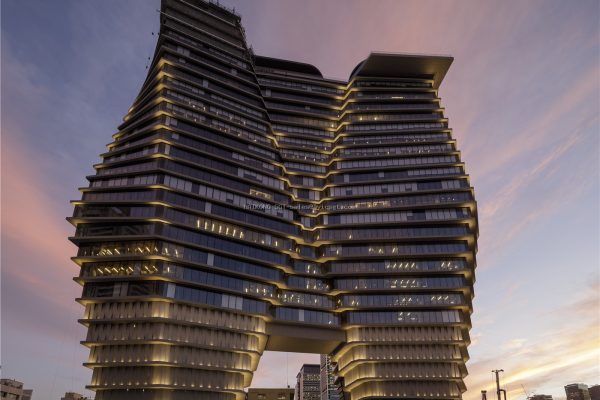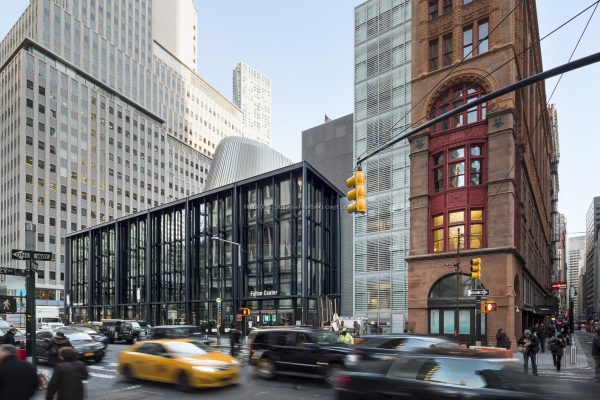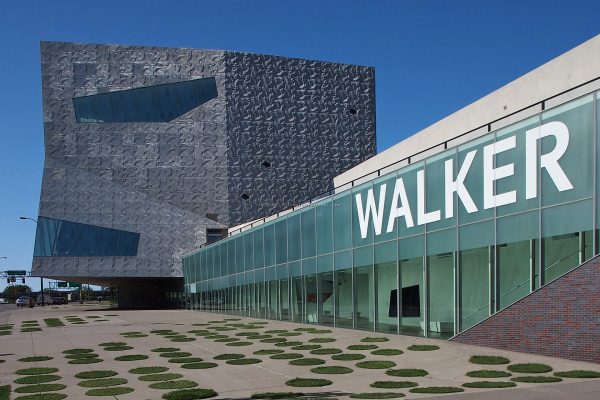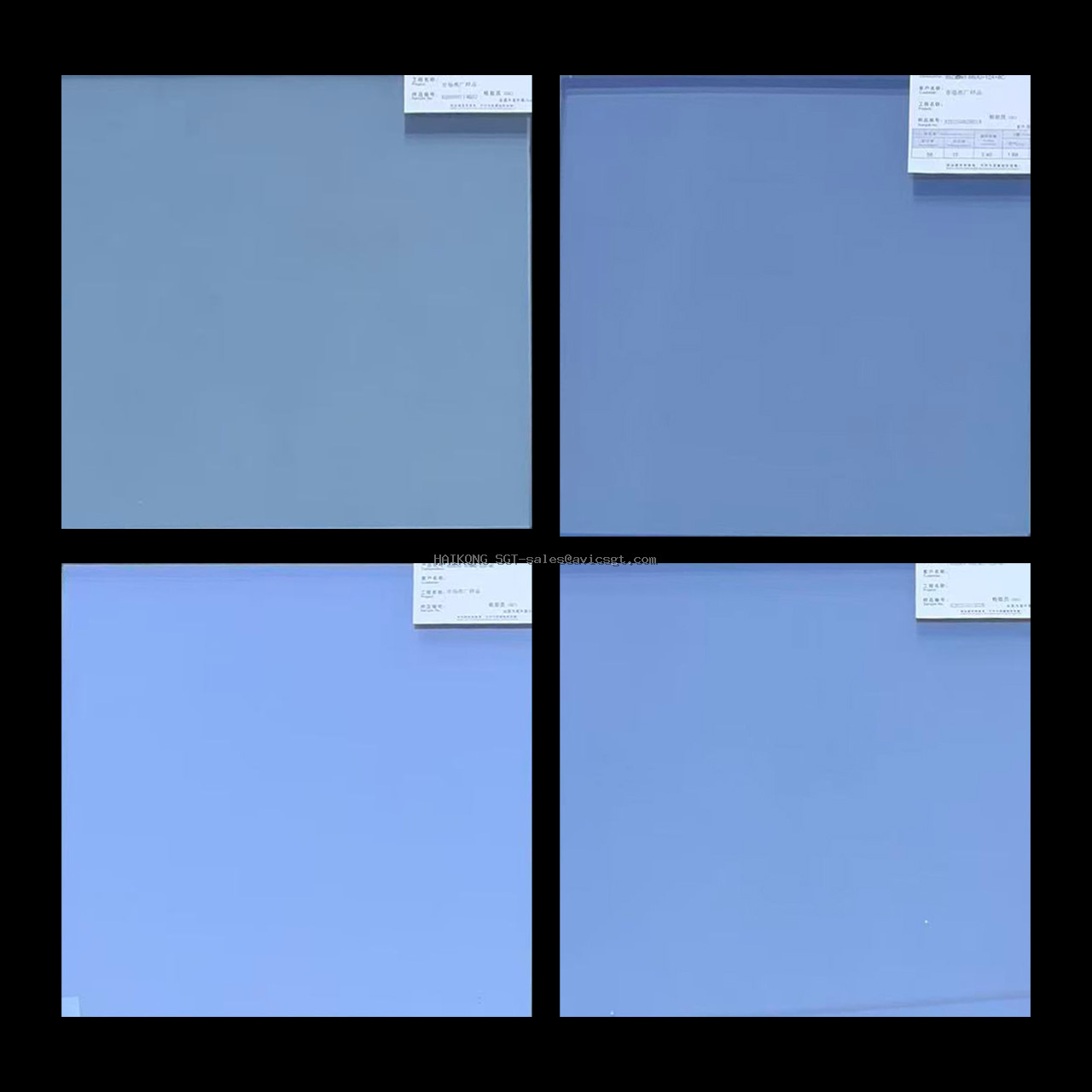
Low-E architectural glass plays a critical role in energy-efficient buildings, but incorrect coating placement and poor edge deletion can reduce performance and shorten service life. For curtain walls, choosing the right Low-E coating surface is not only about lowering energy consumption but also preventing silver layer oxidation, black edges, seal failure, and glass unit damage. Low-E architectural glass from SGT uses advanced coating technology and strict processing control to support high-performance facade projects worldwide.
As modern buildings demand better thermal insulation, daylight control, and long-term durability, architects and engineers need to understand Low-E surface positioning and edge deletion requirements before selecting glass solutions.
Understanding Low-E Architectural Glass Coating Surface Placement
Low-E coatings contain functional nano silver layers that reduce infrared heat transfer. However, silver is sensitive to oxidation, which means coating position directly affects thermal performance and durability.
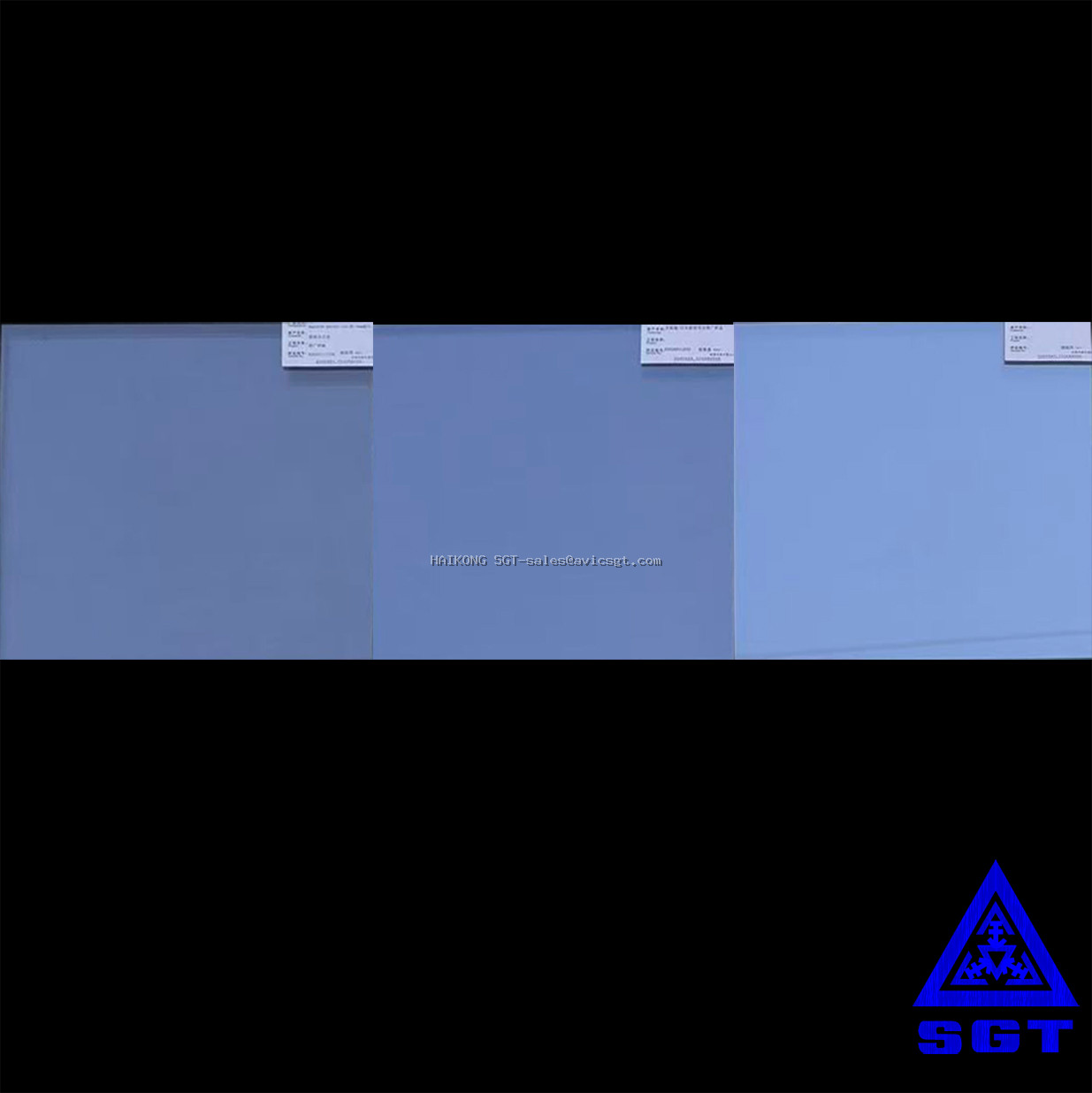
SGT Silver-grey Double Low-E Glass adopts offline vacuum magnetron sputtering (PVD) technology with a 9–13 layer composite coating system, including two nano pure silver functional layers and multiple dielectric, barrier, and protective layers.
This structure provides:
- High visible light transmission
- Low emissivity performance
- Strong solar heat control
- Reduced outdoor glare
- Improved thermal insulation
For curtain wall applications, selecting the correct coating surface helps balance solar control and indoor comfort.
Low-E Glass Surface Numbering Strategy: #2 vs #3 vs #4
The glass surface numbering system is defined from outdoor to indoor:
- Surface #1: Exterior glass surface
- Surface #2: Interior surface of the outer glass pane
- Surface #3: Exterior surface of the inner glass pane
- Surface #4: Interior glass surface
The correct position depends on regional climate conditions and building energy goals.
Surface #2 Placement for Hot Climate Buildings
In hot summer regions, Low-E coating is commonly placed on surface #2.
Benefits include:
- Reflecting solar radiation before it enters the insulating cavity
- Reducing solar heat gain coefficient (SHGC)
- Lowering air-conditioning energy consumption
- Improving indoor thermal comfort
This solution is suitable for:
- Grade A office buildings
- Commercial complexes
- Exhibition center curtain walls
- High-performance residential projects
Surface #3 Placement for Cold Climate Buildings
For cold and severe cold regions, surface #3 placement is often preferred.
The coating allows solar energy to enter during daytime while reflecting indoor long-wave radiation back inside at night.
Advantages:
- Better U-value performance
- Reduced winter heating loss
- Improved indoor temperature stability
Avoid Direct Contact Between Soft-Coat Low-E and Laminating Films
Offline Low-E (Soft-coat) glass should not directly contact PVB or SGP interlayers.
The reason is:
- Plasticizer migration may damage the silver layer
- Residual moisture can accelerate oxidation
- Long-term performance may decrease
For laminated applications, engineers should confirm coating compatibility before production.

Edge Deletion: Preventing Low-E Glass Black Edge Problems
Edge deletion is an essential processing step for Low-E coated glass.
Because offline Low-E coatings contain metallic silver layers, exposed coating edges can react with moisture and oxygen. Without proper removal, water vapor may penetrate through sealant areas and cause:
- Black edge appearance
- Coating peeling
- Insulating glass failure
- Structural sealant bonding problems
According to international processing requirements such as EN 1096 and related glass processing standards, the coating near the sealing area must be removed before insulating glass assembly.
SGT applies controlled edge deletion processes to ensure reliable bonding performance.
Required Edge Deletion Process
A standard Low-E glass processing workflow includes:
- Confirm coating position
- Identify the Low-E surface according to project requirements.
- Remove coating from the edge area
- Use mechanical grinding or suitable laser removal technology.
- Typical deletion width: 10–15mm.
- Clean the exposed glass surface
- Remove dust and coating residues.
- Ensure direct adhesion between glass and structural sealant.
- Complete insulating glass assembly
- Finish sealing within the recommended processing window.
- Prevent secondary contamination after edge deletion.
Online Low-E vs Offline Low-E Edge Deletion Comparison
| Item | Offline Low-E Glass | Online Low-E Glass |
|---|---|---|
| Coating technology | Vacuum magnetron sputtering (PVD) | Chemical vapor deposition |
| Main coating material | Silver-based nano layers | Metal oxide coating |
| Thermal performance | Higher energy-saving performance | Moderate performance |
| Edge deletion requirement | Usually required | Usually less demanding |
| Common applications | High-end curtain walls, landmark buildings | General architectural glazing |
SGT’s Silver-grey Double Low-E Glass belongs to the high-performance offline Low-E category, designed for projects requiring both energy efficiency and premium facade appearance.

Low-E Glass Quality Checklist for Engineers and QC Teams
Before installation, project teams should verify:
Edge deletion inspection
- Deletion width should remain within the required 10–15mm range
- No coating residue should remain
- Glass surface should have no scratches or damage
Processing control
- Clean the deleted edge area carefully
- Complete insulating glass sealing within the appropriate time period
- Prevent dust and moisture contamination
Performance verification
SGT laboratory facilities include:
- Fourier Transform Infrared Spectrometer
- Lambda 1050+ spectrophotometer
- 60° angle optical tester
- CM700D portable color difference meter
These testing instruments evaluate optical, thermal, and color performance to meet global project requirements.
Why Choose SGT Low-E Architectural Glass Solutions
Guangdong SGT has more than 30 years of glass deep processing experience and supports architectural projects across North America, Europe, Asia, and China.
SGT combines:
- State-owned enterprise resources from Hainan Development
- More than 32 years of industry experience
- Over 500 global projects
- Advanced coating and testing capabilities
The Silver-grey Double Low-E Glass provides a balanced solution for modern facades requiring low glare, energy efficiency, and long-term reliability.
FAQ
1. What is the best Low-E glass surface position for curtain walls?
The best position depends on climate conditions. Surface #2 is commonly used for hot regions to reduce solar heat gain, while surface #3 is preferred in colder regions to improve insulation.
2. Why does Low-E glass require edge deletion?
Edge deletion removes the sensitive coating near the sealing area. It prevents silver oxidation, black edges, and sealant adhesion problems.
3. Can Low-E coated glass be used for laminated glass?
Yes, but coating compatibility must be checked. Soft-coat Low-E should not directly contact PVB or SGP films without proper technical solutions.
Conclusion
Selecting the correct Low-E architectural glass configuration requires more than choosing a coating type. Proper surface placement, professional edge deletion, and strict quality control determine whether a curtain wall achieves long-term energy efficiency and durability. With advanced PVD coating technology, laboratory testing capabilities, and decades of experience, Guangdong SGT delivers reliable Low-E glass solutions for demanding architectural projects worldwide.
Contact SGT today to receive technical recommendations, product parameters, and customized Low-E glass solutions for your next curtain wall project.