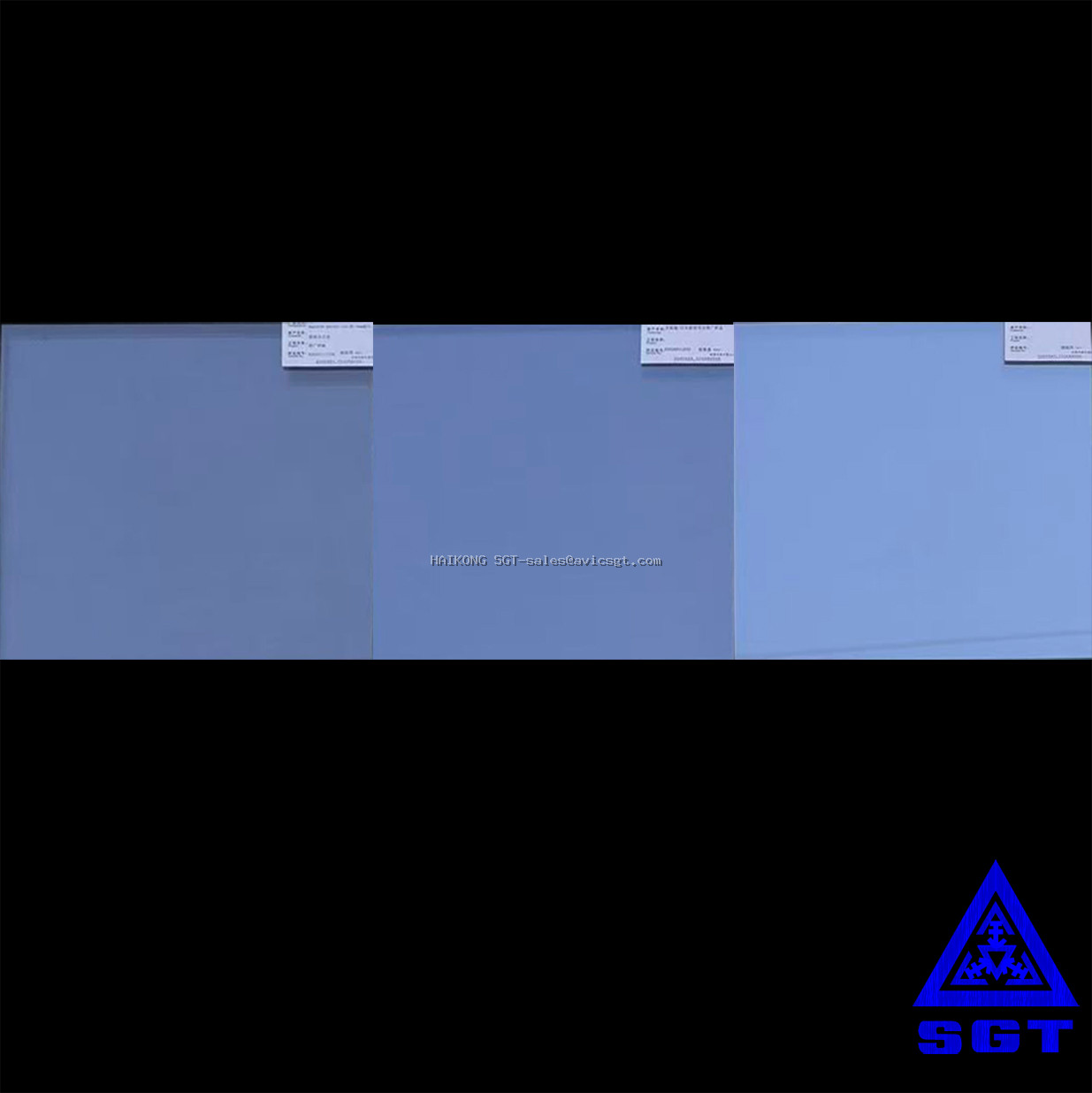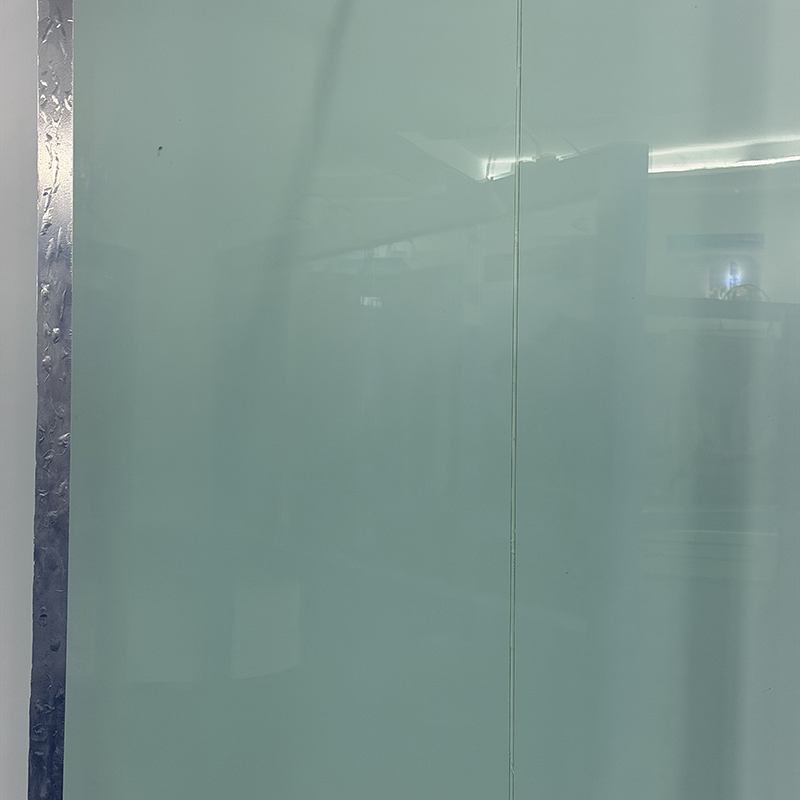
Modern buildings are moving toward intelligent control systems, and smart laminated building glass has become an important solution for offices, commercial spaces, and advanced architectural projects. However, many architects and buyers still confuse PDLC switchable glass with electrochromic (EC) glass, which can lead to incorrect specifications.
Choosing the wrong glass type may result in poor privacy performance, unnecessary energy costs, or unsuitable facade designs. Therefore, understanding the differences in optical principles, power consumption, and application scenarios helps you select the right glazing system.
Guangdong Haikong Special Glass Technology Co., Ltd. (HAIKONG SGT) provides customized architectural glass solutions with more than 32 years of glass deep-processing experience and over 500 global projects.
Understanding Smart Laminated Building Glass Technologies
Although PDLC glass and EC glass both use electrical control, they solve different architectural problems.
PDLC focuses on privacy control, while EC glass focuses on solar heat management. As a result, architects should define the project requirements before selecting a smart glazing solution.
PDLC Smart Glass: Instant Privacy Control
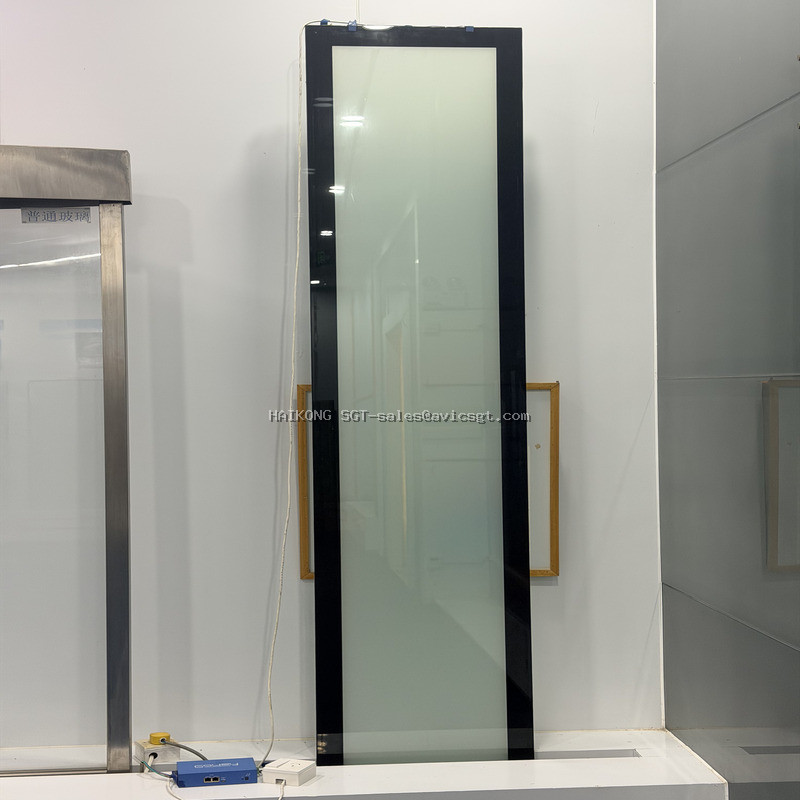
PDLC (Polymer Dispersed Liquid Crystal) glass uses liquid crystal technology inside a laminated glass structure.
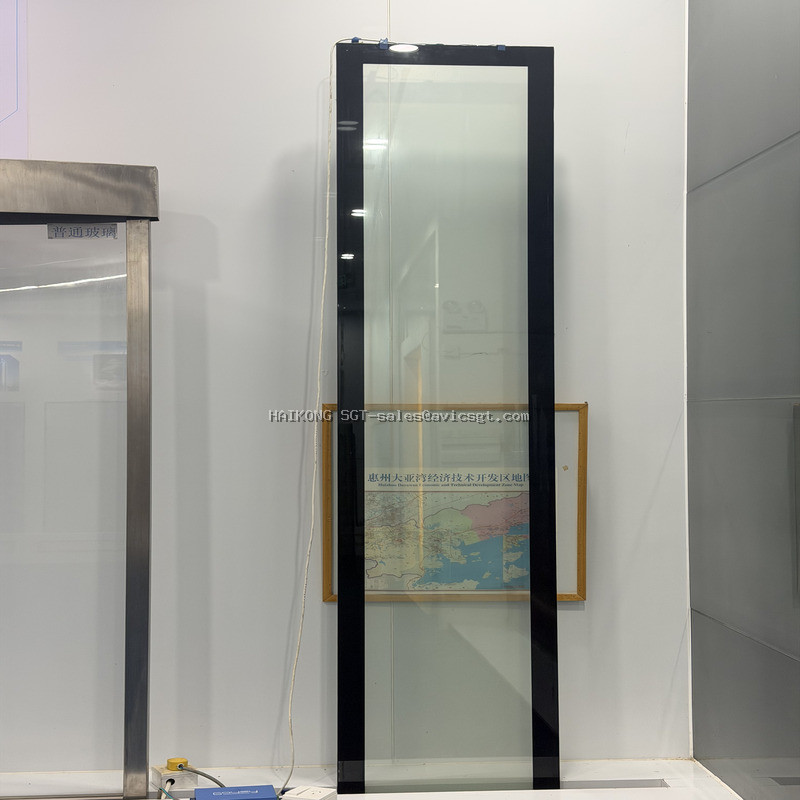
When power is applied:
- Liquid crystal molecules align in a regular direction.
- Light passes through the glass.
- The glass becomes transparent.
When power is turned off:
- Liquid crystals scatter light.
- The glass becomes frosted and opaque.
- Privacy is achieved within seconds.
Because of this fast switching ability, PDLC smart glass is widely used in:
- Office partitions.
- Conference rooms.
- Hospital privacy rooms.
- Hotel bathrooms.
- Luxury residential interiors.
The main advantage of PDLC glass is visibility control. However, it does not actively block solar radiation, meaning it is not primarily designed for exterior energy-saving applications.
Electrochromic Glass: Dynamic Solar Control
Electrochromic glass (EC glass) works through an electrochemical reaction. Low-voltage electricity changes the tint level of special coating materials, such as tungsten oxide.
Unlike PDLC glass, EC glass can provide multiple tint levels. Therefore, it can manage sunlight transmission and reduce solar heat gain.
Typical applications include:
- Curtain wall systems.
- Commercial building facades.
- Large exterior windows.
- Green building projects.
EC glass is often selected for projects requiring better daylight control and reduced dependence on traditional blinds or shading systems.
PDLC vs EC Glass: Key Differences
| Feature | PDLC Smart Glass | Electrochromic Glass |
|---|---|---|
| Technology | Liquid crystal scattering | Electrochemical tint adjustment |
| Main Function | Privacy control | Solar heat control |
| Optical State | Clear / Frosted | Multiple tint levels |
| Switching Speed | Seconds | Minutes |
| Best Application | Interior partitions | Exterior facades |
| Energy Performance | Limited | High solar control |
Compared with EC glass, PDLC provides faster privacy switching. Meanwhile, EC glass offers better performance for energy-efficient building envelopes.
How to Choose the Right Smart Glass for Your Project
For Interior Privacy: Choose PDLC Laminated Glass
If your project requires instant privacy, PDLC laminated glass is usually the better option.
It is suitable for:
- Smart office partitions.
- Executive meeting rooms.
- Medical facilities.
- Hospitality spaces.
By combining PDLC technology with laminated glass structures, you can achieve both safety performance and modern interior design.
For Smart Facades: Choose Electrochromic Glass
For exterior applications, EC glass provides better solar management.
It helps reduce:
- Direct sunlight exposure.
- Cooling loads.
- Dependence on curtains and blinds.
Therefore, EC glass is commonly considered for high-performance buildings and sustainable architectural projects.
HAIKONG SGT Special Laminated Glass Solutions
HAIKONG SGT specializes in high-performance architectural glass manufacturing and customized deep-processing solutions.
The company provides:
- PET laminated glass.
- Aluminum mesh laminated glass.
- Copper mesh laminated glass.
- Customized multi-layer glass structures.
These products are designed for applications requiring:
- Safety protection.
- Acoustic insulation.
- Electromagnetic shielding.
- Advanced architectural performance.
With strong industrial resources and professional testing capabilities, SGT supports architects, developers, and contractors worldwide.
SGT Glass Manufacturing and Quality Process
HAIKONG SGT follows strict production procedures to ensure reliable performance.
The manufacturing process includes:
- Glass cutting and edge processing
Glass panels are prepared according to project dimensions and technical requirements. - Interlayer integration
Functional materials such as PET film or metal mesh are added based on application needs. - High-pressure lamination
Glass layers are bonded through controlled temperature and pressure processing. - Performance testing
SGT evaluates optical, thermal, and color performance using professional laboratory equipment, including Lambda 1050+ spectrophotometer and Fourier Transform Infrared Spectrometer.
These testing procedures help products meet international architectural project requirements.
FAQ
1. Is PDLC glass suitable for building facades?
PDLC glass can be used in some exterior applications, but its primary purpose is privacy control. For solar heat management, EC glass is usually more suitable.
2. Does PDLC smart glass consume high power?
No. PDLC glass mainly consumes electricity when switching to the transparent state. Its main benefit is privacy control rather than energy reduction.
Conclusion
Selecting the right smart laminated building glass depends on whether your project requires privacy control or solar performance. PDLC smart glass provides fast switching and excellent privacy solutions for interior partitions, while electrochromic glass delivers dynamic solar control for modern facades.
With more than 32 years of glass deep-processing experience and over 500 global projects, HAIKONG SGT delivers customized architectural glass solutions for smart buildings, commercial spaces, and specialized applications.
Contact HAIKONG SGT for Your Smart Glass Project
Contact HAIKONG SGT for professional glass selection advice, customized specifications, and architectural glazing solutions tailored to your project requirements.
Email: sales@avicsgt.com