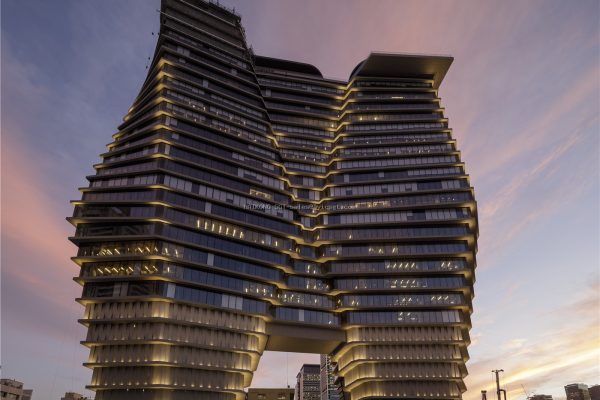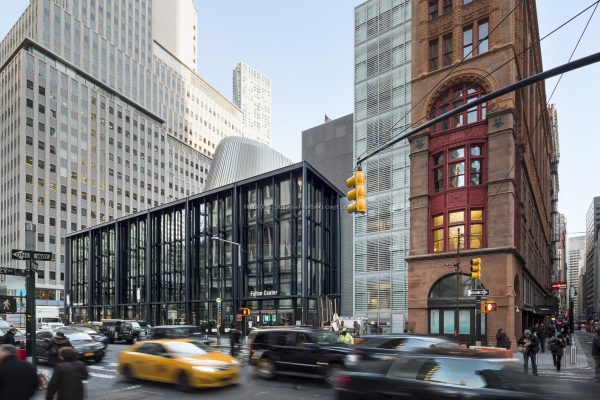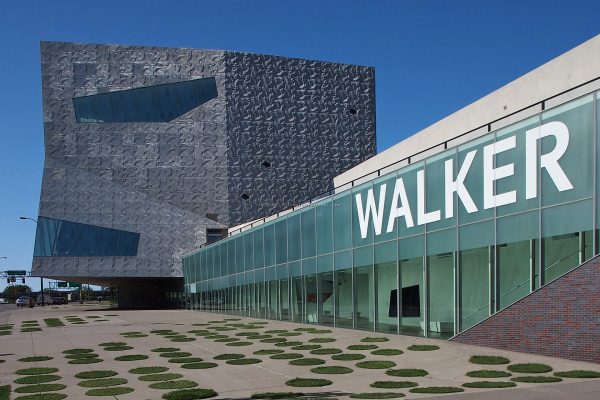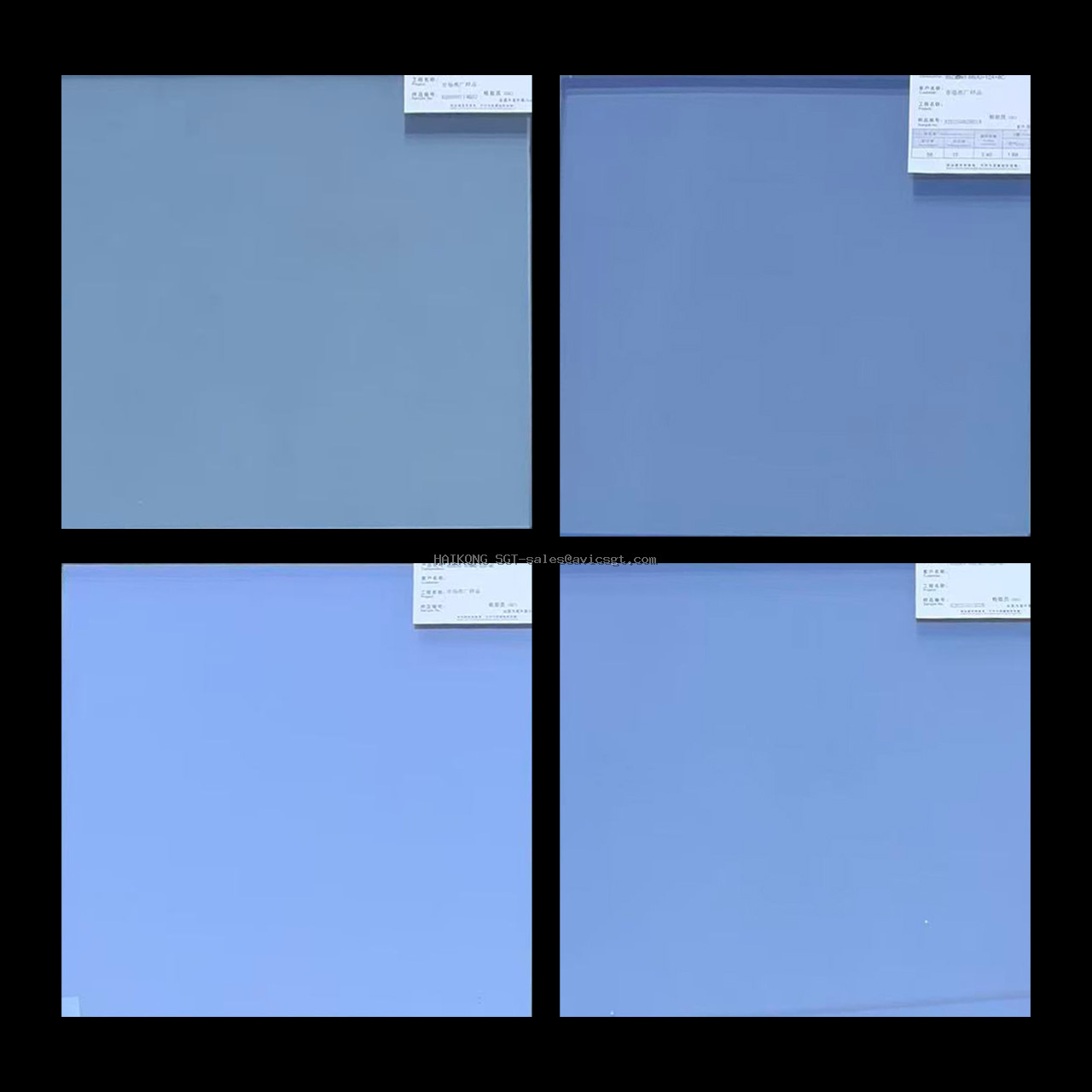
Extreme weather creates serious challenges for coastal buildings. In Southeast Asia, China’s typhoon regions, and hurricane zones such as Florida and the Caribbean, facades must withstand both extreme wind pressure and dangerous windborne debris. Special laminated glass provides a reliable solution by keeping broken glass bonded together after impact, helping maintain building safety and weather protection.
When flying debris breaks ordinary glass, internal pressure changes can damage curtain walls and building structures. HAIKONG SGT develops advanced architectural glass solutions with more than 30 years of deep processing experience, providing customized glazing systems for high-performance construction projects worldwide.
Why Special Laminated Glass Is Critical for Hurricane Facades
Hurricanes and super typhoons create two major risks:
- High positive and negative wind pressure
- Windborne debris impact from branches, roof materials, and other objects
A qualified hurricane-resistant glazing system must prevent glass penetration and maintain facade integrity after damage.
For coastal buildings, you should evaluate:
- Glass impact resistance
- Interlayer strength
- Wind pressure performance
- Curtain wall frame design
- Long-term weather durability
HAIKONG SGT provides customized laminated glass solutions for commercial buildings, hotels, airports, and high-security facilities.
Large Missile Impact Testing Standards for Hurricane Glass
ASTM E1886 / ASTM E1996 and TAS 201/202/203 Requirements
International hurricane glazing standards focus on impact resistance and post-impact structural performance.
The testing process includes two major stages.
1. Large Missile Impact Test
The test simulates real hurricane debris impact.
The testing method includes:
- A 9-pound (approximately 4.1 kg) wood projectile
- Projectile size of approximately 2 × 4 inches
- Impact speed around 50 feet per second (about 55 km/h)
- Impact testing at glass center and edge locations
The glass does not need to remain unbroken. However, it must meet these requirements:
- Glass fragments remain attached to the interlayer
- The projectile does not penetrate the glazing system
- Glass remains secured inside the curtain wall frame
This performance makes hurricane impact resistant laminated glass suitable for coastal construction.
2. Cyclic Wind Pressure Loading Test
After missile impact, the damaged glass system undergoes repeated wind pressure simulation.
The test applies:
- Approximately 4,500 positive and negative pressure cycles
- Simulated hurricane wind suction and pressure changes
- Repeated structural loading
The glazing system must maintain:
- Glass retention
- Frame stability
- Weather sealing performance
Material Engineering for Hurricane-Resistant Laminated Glass
Why SGP Performs Better Than Standard PVB
Traditional PVB laminated glass is widely used for safety applications. However, hurricane environments require stronger mechanical performance.
During extreme wind loading, standard PVB may experience greater deformation after impact.
SGP (Ionoplast Interlayer) provides improved structural performance:
- Approximately 5 times higher tear strength than PVB
- Approximately 100 times higher stiffness than PVB
- Better post-breakage load support
- Improved edge stability
A common hurricane glazing configuration includes:
8mm tempered/semi-tempered glass + 2.28mm SGP interlayer + 8mm tempered/semi-tempered glass
Combined with proper frame design, this structure supports demanding hurricane-resistant applications.

Curtain Wall Design: Glass Bite Depth and Structural Support
Hurricane protection depends on both glass and framing systems.
During extreme storms, glass panels experience significant deformation. Without sufficient support, the glass edge may move out of the aluminum frame pocket.
Engineers should consider:
- Increased glass bite depth
- Proper pocket depth
- High-performance structural silicone sealant
- Full-edge bonding design
A reliable curtain wall system combines strong laminated glass with suitable structural support to resist wind suction forces.
HAIKONG SGT Special Laminated Glass Solutions
HAIKONG SGT is an experienced laminated glass manufacturer specializing in high-performance architectural glass.
The company provides:
- PET laminated glass
- SGP laminated glass
- Metal mesh laminated glass
- Safety laminated glass
- Customized architectural glazing solutions
Manufacturing processes include:
- Glass cutting and edge processing
- Tempering and heat treatment
- Interlayer preparation
- High-pressure lamination
- Quality inspection and performance testing
HAIKONG SGT uses professional testing equipment, including optical and thermal performance testing systems, to ensure products meet global project requirements.
Comparison of Hurricane Glass Interlayers
| Property | PVB Laminated Glass | PET Laminated Glass | SGP Laminated Glass |
|---|---|---|---|
| Impact resistance | Good | Excellent | Excellent |
| Tear strength | Standard | High | Very high |
| Post-breakage support | Moderate | Strong | Superior |
| Acoustic performance | Good | Excellent | Good |
| Structural applications | General | Medium | High |
Applications of Hurricane Resistant Laminated Glass
HAIKONG SGT solutions are used for:
- Coastal high-rise curtain walls
- Luxury hotels and resorts
- Airports
- Government buildings
- Commercial complexes
- Security facilities
- Residential projects in hurricane areas
These applications require reliable protection against impact, wind pressure, and environmental exposure.
FAQ
1.What is hurricane impact resistant laminated glass?
It is a safety glazing system designed to resist windborne debris and extreme wind pressure. The interlayer keeps broken glass attached after impact, helping maintain building protection.
2.Why is SGP suitable for hurricane glazing?
SGP offers higher stiffness and tear resistance than traditional PVB. It helps laminated glass maintain structural performance after impact and repeated wind pressure cycles.
3.How do you select hurricane glass thickness?
Selection depends on building height, wind load, glass size, frame system, and required impact standard. Professional structural calculation is required before final specification.
Conclusion
For coastal buildings exposed to typhoons and hurricanes, choosing the right glazing system is essential. Special laminated glass improves facade safety through advanced interlayers, impact resistance, and customized engineering design.
With over 30 years of glass deep processing experience, HAIKONG SGT delivers reliable architectural glass solutions for global projects. Through SGP, PET, and customized laminated structures, the company helps architects and developers create safer curtain walls capable of handling extreme weather conditions.
Get Hurricane Glass Solutions from HAIKONG SGT
Contact HAIKONG SGT for customized recommendations on:
- ASTM E1886/E1996 compliant glazing solutions
- Hurricane impact resistant laminated glass
- Coastal curtain wall glass systems
- Custom glass thickness and interlayer designs
Our engineering team can help you select the right glass configuration based on project location, wind pressure requirements, and safety standards.