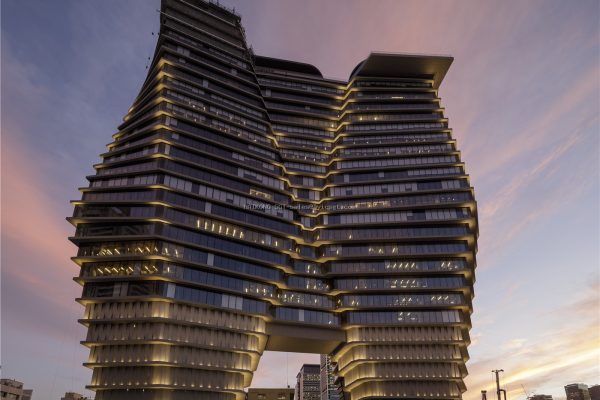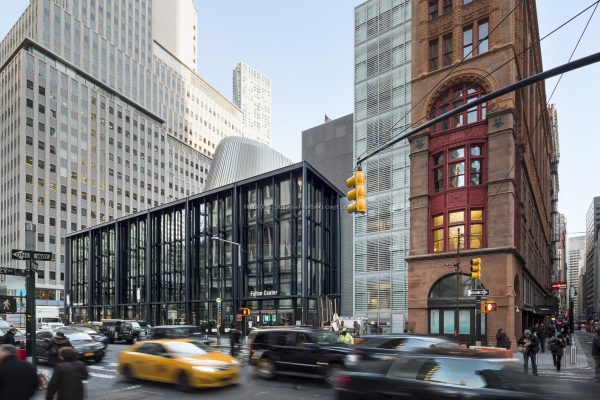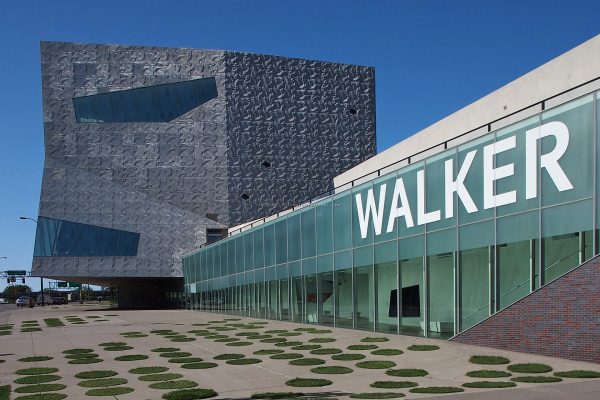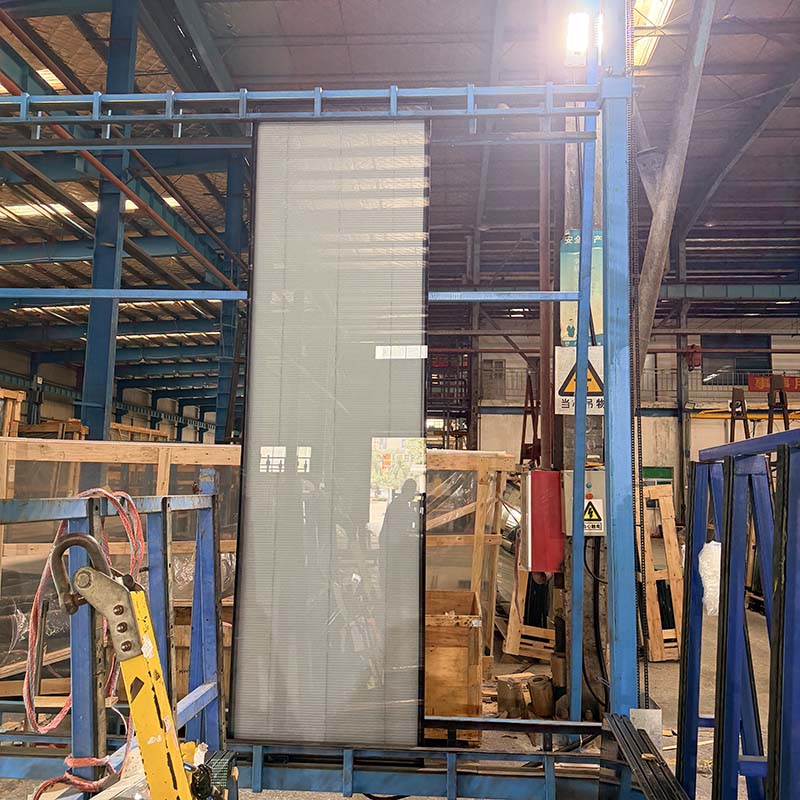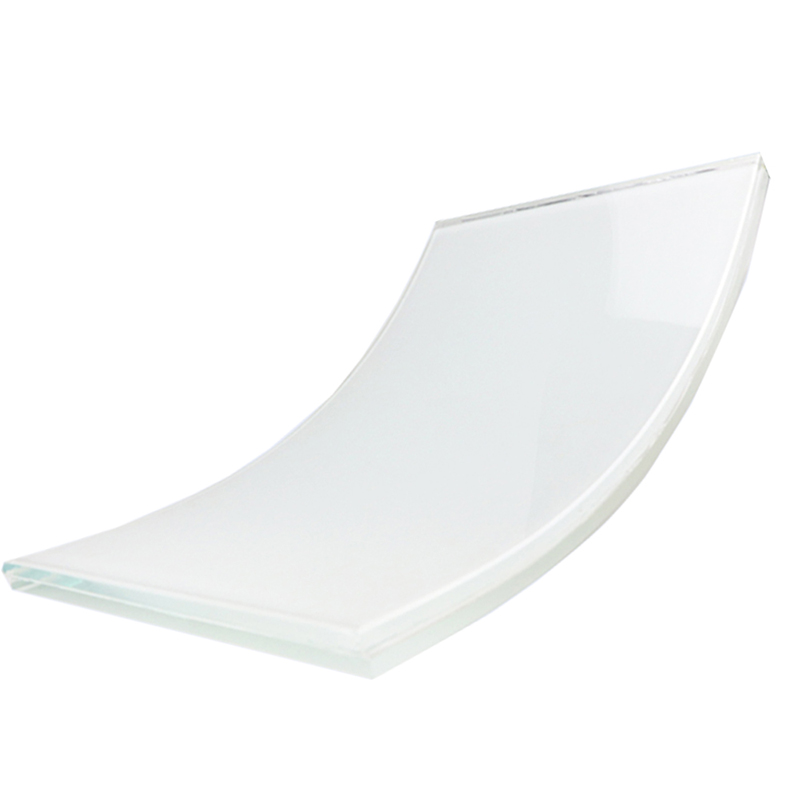
Modern curtain wall systems continue moving toward larger transparent surfaces. Airports, commercial towers, hotel atriums, and mixed-use developments increasingly use oversized glass panels to reduce visible framing lines and improve daylight penetration.
However, once glass dimensions exceed conventional façade sizes, the engineering requirements change significantly. Large laminated panels introduce additional challenges related to wind load, structural deflection, thermal stress, transportation, and post-breakage safety.
Unlike standard glazing systems, jumbo laminated glass often functions as part of the structural façade system itself.
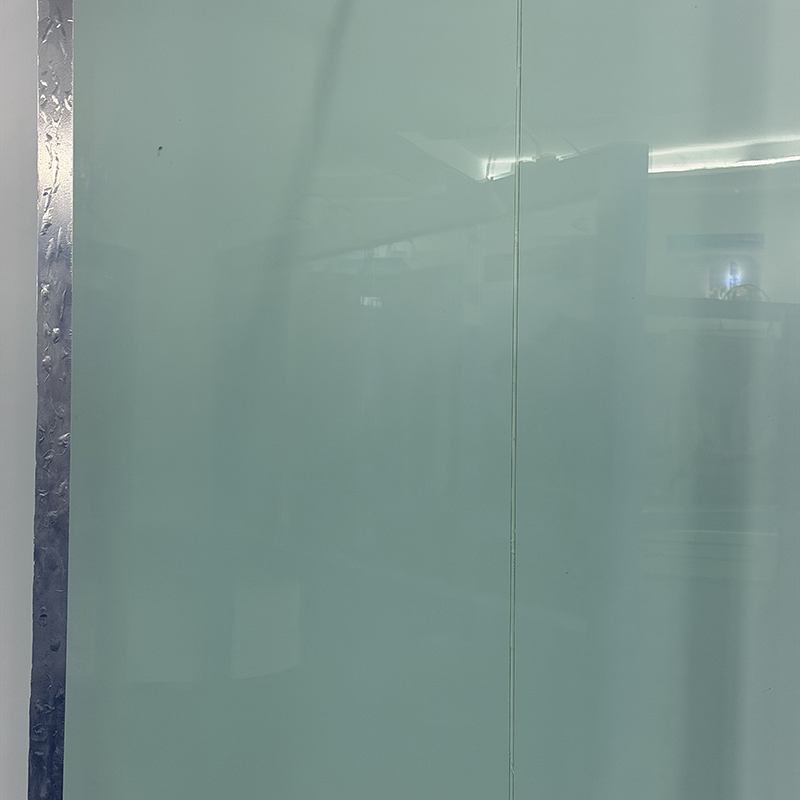
Typical Jumbo Laminated Glass Processing Capabilities
| Parameter | Jumbo Laminated Glass Specification |
|---|---|
| Maximum Size | Up to 3300 × 18000 mm |
| Thickness Range | 6 mm – 80 mm |
| Glass Types | Tempered, laminated, insulated, Low-E |
| Interlayer Options | PVB, SGP, EVA, PU |
| Available Processing | Heat soak testing, digital printing, coating |
| Common Applications | Curtain walls, skylights, glass fins, canopies |
| Structural Features | Post-breakage retention, wind-load resistance |
| Optional Configurations | Multi-ply, curved, acoustic, solar control |
Wind Load and Structural Deflection
As panel dimensions increase, wind pressure becomes a primary structural concern. Large glass surfaces behave differently from standard façade panels because wider unsupported spans create greater deflection under lateral loads.
In high-rise or coastal projects, façade engineers often select SGP interlayers instead of standard PVB because higher interlayer rigidity helps improve panel stiffness and reduce visible deflection.
This becomes especially important in:
- Glass fin systems
- Unitized curtain walls
- Large unsupported spans
- Observation decks
- Airport façades
Post-Breakage Safety in Oversized Panels
Oversized laminated glass panels can weigh several hundred kilograms. If fractured glass detaches from the façade system, falling debris may create serious safety risks in public areas.
For this reason, many large commercial projects specify laminated configurations that maintain glass retention after breakage.
Multi-ply laminated systems help:
- Hold fractured fragments in place
- Reduce fallout risk
- Maintain temporary barrier integrity
- Improve occupant safety during replacement periods
Heat soak testing is also commonly specified to reduce the risk of spontaneous tempered glass breakage caused by nickel sulfide inclusions.
Thermal Performance and Solar Control
Large glass façades absorb substantial solar radiation during long-term exposure. Uneven surface temperatures may increase thermal stress, especially in south-facing curtain wall systems or tropical climates.
To improve energy performance, jumbo laminated glass is frequently combined with:
- Low-E coatings
- Insulated Glass Units (IGUs)
- Solar control coatings
- Acoustic interlayers
These configurations help reduce solar heat gain while maintaining daylight transmission.
Manufacturing Process of Jumbo Laminated Glass
Producing oversized laminated glass requires tighter processing control than standard architectural glazing. Large panels must maintain dimensional accuracy, optical consistency, and stable lamination quality throughout the entire manufacturing cycle.
A typical jumbo laminated glass production process includes:
- Glass cutting and CNC edge processing
- Drilling and notch fabrication
- Tempering or heat strengthening
- Heat soak testing (optional)
- Low-E coating or ceramic frit printing
- Interlayer assembly using PVB or SGP
- Vacuum pre-lamination
- High-pressure autoclave lamination
- Optical inspection and quality control
- Packing and oversized transportation preparation
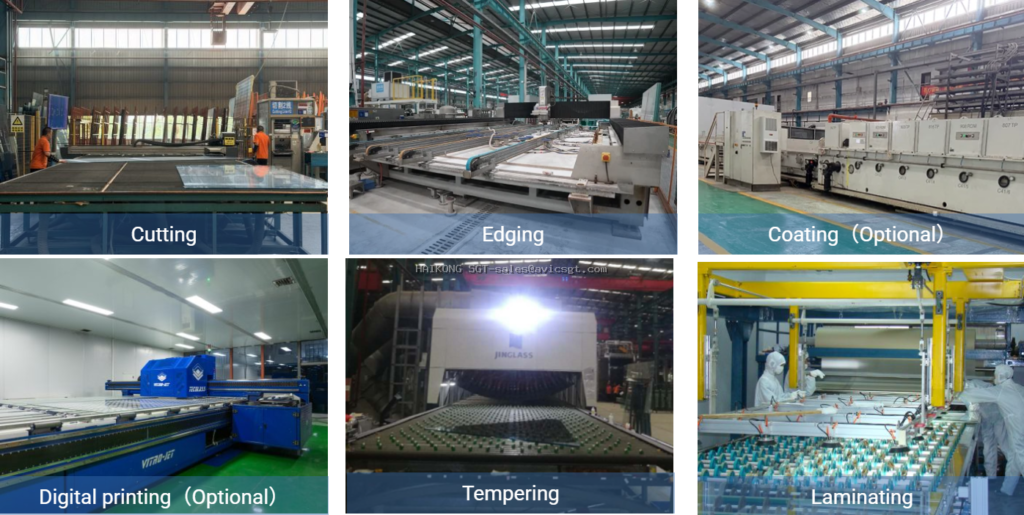
For jumbo curtain wall projects, manufacturers also monitor roller wave distortion, interlayer alignment, and coating uniformity to reduce visual defects after installation.
Manufacturing Challenges for Jumbo Glass
Producing jumbo laminated glass requires different equipment from conventional architectural glass fabrication.
As panel size increases, manufacturers must carefully control:
- Tempering flatness
- Roller wave distortion
- Optical consistency
- Interlayer alignment
- Lamination pressure
- Coating uniformity
HAIKONG SGT operates a 200,000 m² production facility equipped with jumbo tempering furnaces, autoclaves, Low-E coating lines, and heat soak testing systems capable of processing oversized laminated glass up to 3300 × 18000 mm.
Installation and Transportation Considerations
Large-format laminated glass requires specialized transportation and installation planning.
Oversized units often require:
- Reinforced transport racks
- Oversized cargo coordination
- Vacuum lifting systems
- Controlled installation sequencing
Because installation tolerances become tighter at larger dimensions, façade contractors typically coordinate closely with glass manufacturers during fabrication and on-site planning.
Conclusion
Jumbo laminated glass plays an increasingly important role in modern curtain wall engineering. As façade systems continue moving toward larger transparent surfaces, laminated configurations help improve structural safety, wind-load performance, thermal efficiency, and post-breakage retention.
For large commercial projects, selecting the appropriate glass build-up, interlayer system, and processing method is essential for long-term façade reliability.