
PRODUCT DETAILS
| Parameter | Specification |
|---|---|
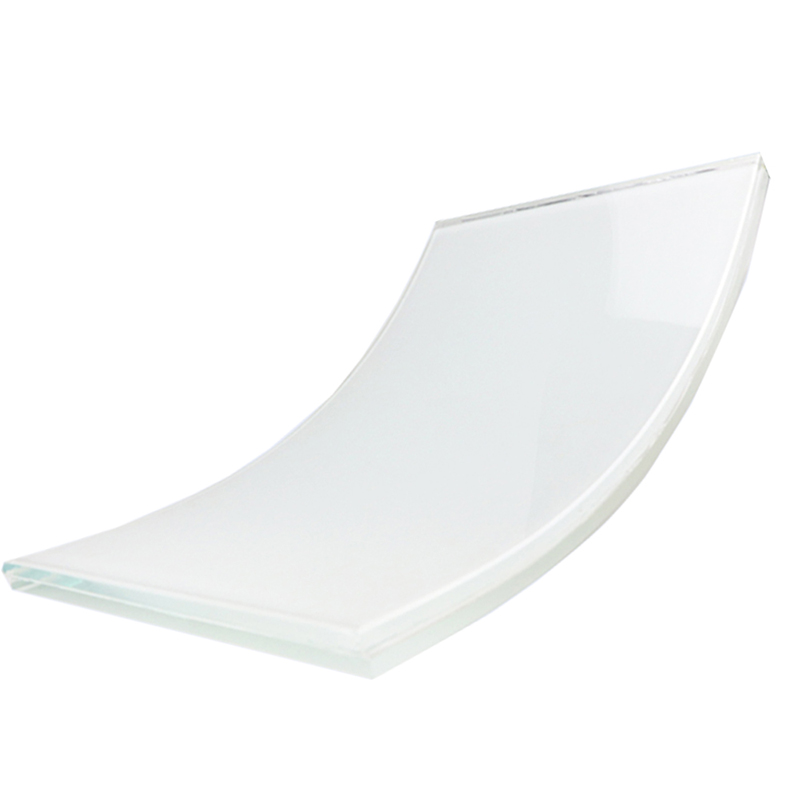
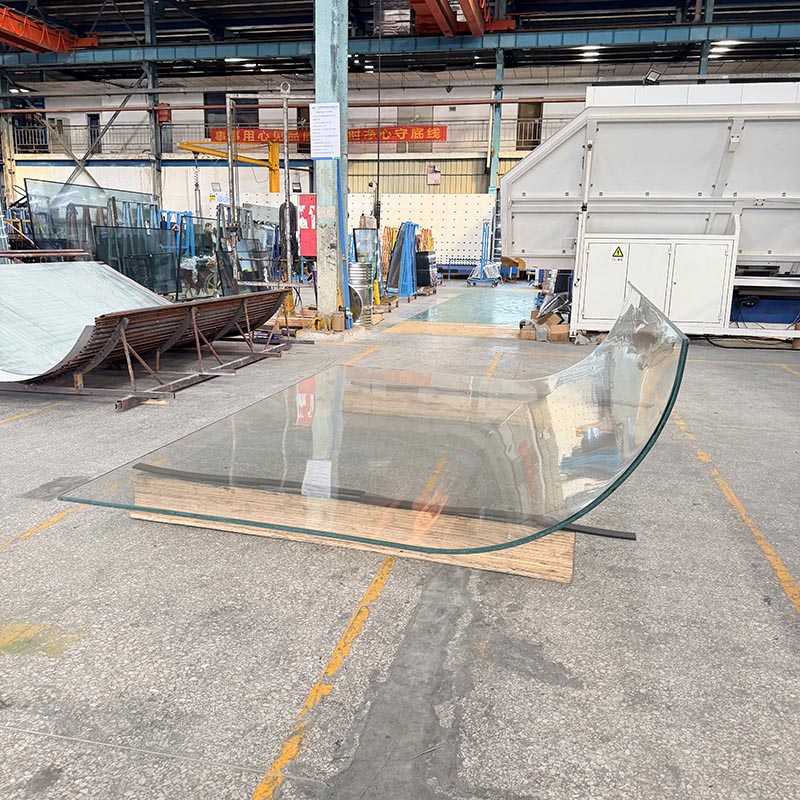
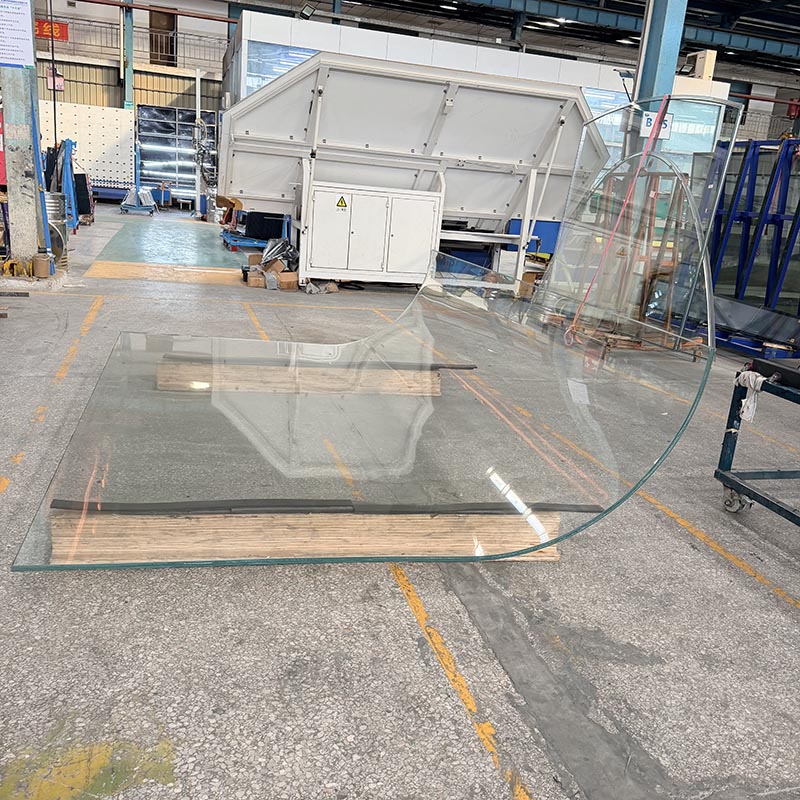
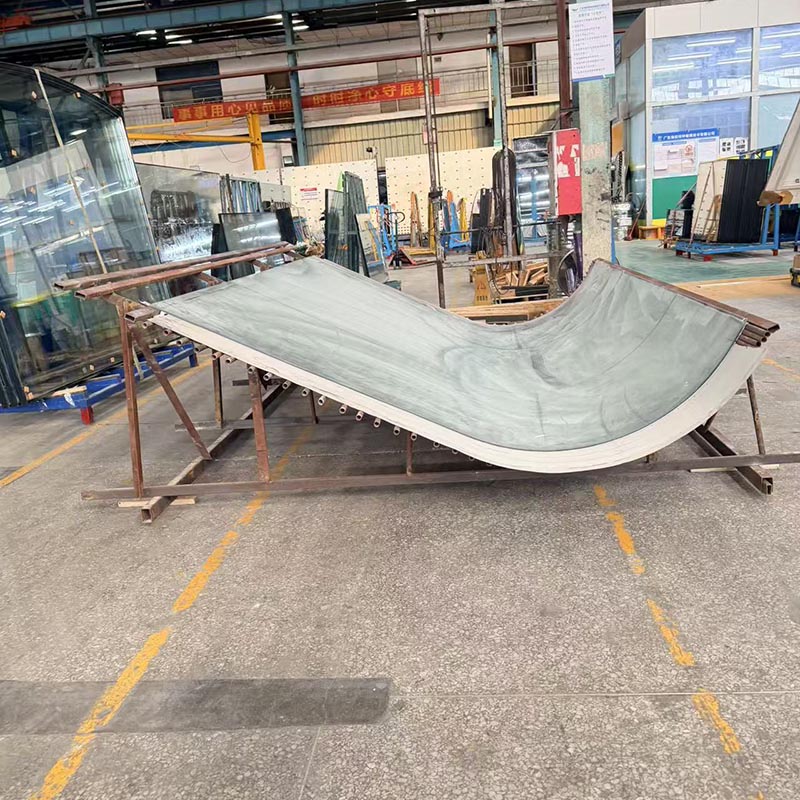
| Product | Curved Annealed Glass |
| Maximum Size | Up to 3000 × 11000 mm |
| Glass Thickness | 4 – 25 mm |
| Curvature Type | Single curvature, double curvature, circular arc, U-shape, S-shape, and other custom-shaped profiles |
| Process Features | Annealed glass with no internal stress; no spontaneous breakage; good surface flatness |
| Composite Options | Can be further processed as tempered, laminated, insulating, ceramic fritted, or digital printed glass |
| Applications | Curved curtain walls, special-shaped windows & doors, interior partitions, furniture, and decorative projects |
PROCESSING ROUTE
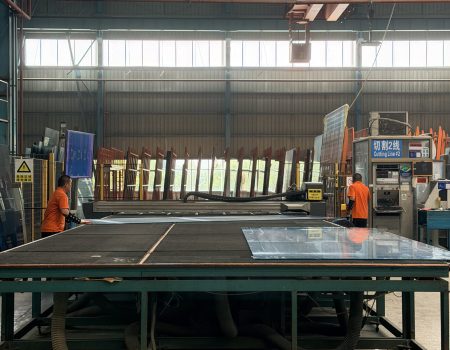
Cutting
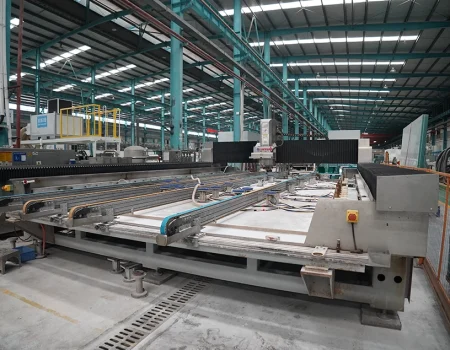
Edging
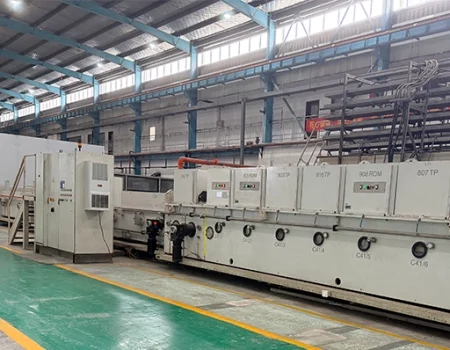
Coating(optional)
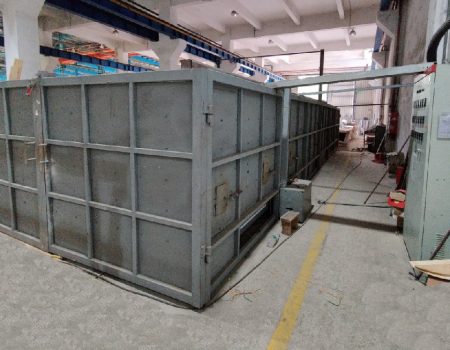
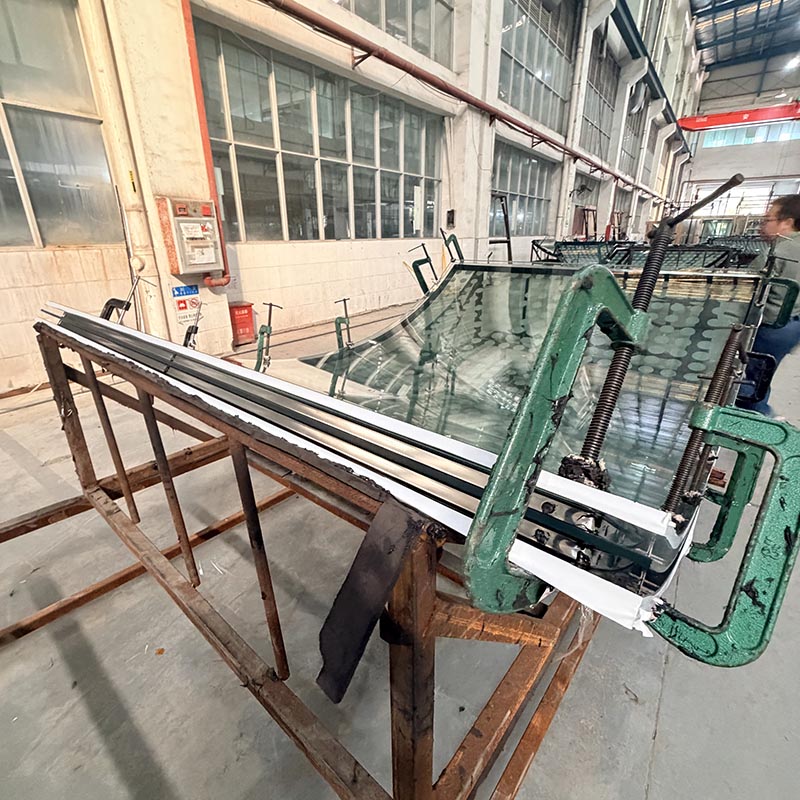
Heat Bending
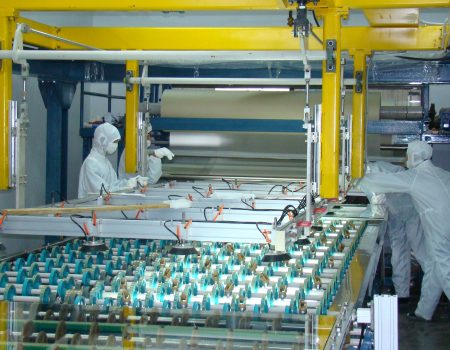
Laminating
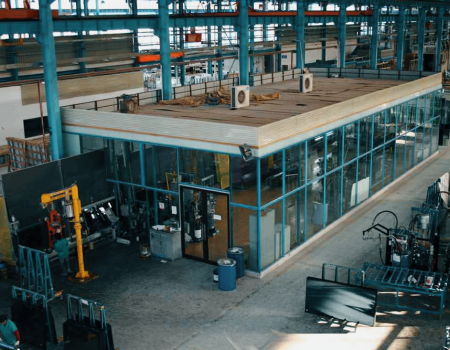
Insulating(optional)
Heat Bent Glass & Heat Bent Laminated Glass: The Complete Guide to Curved Architectural Glazing
What Is Heat Bent Glass? A Complete Architectural Guide
In the world of contemporary architecture, curves have replaced corners as the defining aesthetic of landmark buildings. From the sweeping glass facades of luxury retail stores to the dramatic spiral staircases of corporate headquarters, curved glass brings fluidity, elegance, and a sense of movement to built environments.
At the forefront of this design revolution is heat bent glass—a versatile material that transforms ordinary flat glass into custom-curved architectural elements. And when safety requirements demand more, heat bent laminated glass provides the perfect solution, combining aesthetic curvature with post-breakage integrity.
This comprehensive guide explores everything you need to know about heat bent glass and heat bent laminated glass: how they are made, their advantages and limitations, how they compare to bent tempered glass, and where to specify each product for optimal architectural results.
What Is Heat Bent Glass?
Heat bent glass (also referred to as hot bent glass or hot curved glass) is a type of curved glass produced by heating flat glass until it becomes pliable, then shaping it over or into a mold using gravity or mechanical pressure, followed by controlled cooling (annealing).
Unlike bent tempered glass, which undergoes rapid cooling (quenching) to induce compressive stress, heat bent glass is cooled slowly, allowing the shape to set without adding extra strength.
The result is a curved form that maintains the clarity and optical performance of flat glass while unlocking entirely new design possibilities.
The Manufacturing Process of Heat Bent Glass
The production of heat bent glass involves several carefully controlled stages:
1. Preparation
Flat glass sheets are cut to the required size, edges are ground and polished, and any necessary holes or notches are drilled. Since heat bent glass cannot be cut after bending, all fabrication must be completed before the glass enters the furnace.
2. Heating
The prepared glass is placed in a specialized bending furnace and heated to approximately 600–700°C (1,100–1,300°F)—the temperature at which glass becomes soft and pliable. Modern computer-controlled ovens ensure consistent temperature distribution, which is critical for achieving uniform curvature and optical clarity.
3. Shaping (Bending)
Slumping (Gravity Bending):
The softened glass is placed on top of a pre-heated mold. Under its own weight, the glass sags into the mold, conforming precisely to its shape.
Press Bending:
Mechanical force is applied to press the softened glass into or around a mold for tighter or more complex curves.
4. Annealing (Controlled Cooling)
After shaping, the glass undergoes slow, controlled cooling to relieve internal stress and preserve optical stability and structural integrity.
Design Flexibility: The True Advantage
Heat bent glass enables:
- Gentle curves: R ≥ 1.5 m
- Medium curves: R 0.8–1.5 m
- Tight curves: R < 0.8 m
It also enables biaxial curvature (double curvature), producing domes, saddles, and free-form geometries.
Heat Bent Glass vs. Bent Tempered Glass
| Feature | Heat Bent Glass | Bent Tempered Glass |
|---|---|---|
| Production Process | Heated, slowly bent, annealed | Heated, bent, quenched |
| Strength | Same as annealed glass | 4–5× stronger |
| Breakage Behavior | Large sharp pieces | Small blunt fragments |
| Safety Classification | Not safety glass (unless laminated) | Safety glass |
| Optical Quality | High clarity | Possible distortion |
| Design Flexibility | Very high | Moderate |
| Minimum Radius | <300mm possible | >1000mm typical |
| Coating Compatibility | Flexible | Limited |
| Cost | Higher for custom | Lower in volume |
Summary: Which One Is Right?
Choose Heat Bent Glass when:
- Complex curvature is required
- Optical quality is critical
- Decorative/non-structural use
Choose Bent Tempered Glass when:
- Safety compliance is required
- High strength is needed
- High-traffic environments
Advantages of Heat Bent Glass
1. Unmatched Design Flexibility
Enables virtually any curvature including complex geometries.
2. Superior Optical Quality
Minimal distortion and excellent visual clarity.
3. Enhanced Structural Integrity Through Curvature
Curved geometry improves load performance.
4. Compatibility with Advanced Coatings
Supports Low-E and ceramic frit applications.
5. Ability to Achieve Double Curvature
Enables domes, saddles, and free-form architectural structures.
Limitations of Heat Bent Glass
1. Not Safety Glass (Unless Laminated)
Breaks into large sharp shards.
2. Lower Strength Compared to Tempered Glass
Same strength as annealed glass.
3. Poor Thermal Stability
Susceptible to thermal shock.
4. Higher Cost for Custom Work
Requires custom molds and slower production.
5. Longer Lead Times
Extended manufacturing cycles.
Heat Bent Laminated Glass: Combining Curvature with Safety
Heat bent laminated glass combines curved annealed glass with interlayers such as PVB or SGP.
Manufacturing Process
- Individual bending
- Interlayer placement
- Pre-lamination (de-airing)
- Autoclave bonding
- Cooling and inspection
PVB vs SGP
| Feature | PVB | SGP |
|---|---|---|
| Strength | Standard | High |
| Post-breakage | Holds fragments | Very high residual strength |
| Stiffness | Standard | ~4× stiffer |
| UV Protection | 99% | Excellent |
| Edge Stability | Moderate | High |
| Cost | Lower | Higher |
Advantages of Heat Bent Laminated Glass
1. Post-Breakage Integrity
Fragments remain bonded.
2. Achieves Safety Glass Status
Meets ANSI Z97.1 and EN 12600.
3. Excellent Acoustic Insulation
Noise reduction 35–40 dB.
4. UV Protection
Blocks up to 99% UV.
5. Enhanced Security
Resists forced entry.
6. Combines Curvature with Structural Performance
Supports hybrid glass configurations.
Applications
Exterior Applications
- Curtain walls and facades
- Skylights and canopies
- Entrances and storefronts
- Solariums and conservatories
- Architectural domes
Interior Applications
- Stair railings and balustrades
- Glass partitions
- Elevator surrounds
- Retail displays
- Decorative elements
Landmark Projects
Houston Museum of Fine Arts (MFAH):
Curved laminated glass tubes forming a translucent façade system.
Sedak Hot-Bent Laminate:
Large-format curved laminated glass panels up to 1.35 x 5.0 m.
How to Choose Between Heat Bent Glass and Heat Bent Laminated Glass
| Application | Recommendation |
|---|---|
| Decorative interior (non-accessible) | Monolithic Heat Bent Glass |
| Interior accessible spaces | Laminated (PVB) |
| Exterior glazing | Laminated (PVB or SGP) |
| Overhead glazing | Laminated (SGP) |
| High-traffic areas | Laminated (SGP) |
| Security-critical | Laminated (SGP) |
Standards and Certifications
- EN 1863
- EN 12543
- ANSI Z97.1
- CPSC 16 CFR 1201
- EN 12600
Important note: No dedicated standard exists for curved heat-strengthened glass.
Conclusion
Heat bent glass and heat bent laminated glass represent the intersection of design freedom and architectural performance.
Heat bent glass enables unprecedented geometric flexibility, while laminated versions ensure safety, durability, and compliance in demanding applications.
Together, they empower architects to move beyond flat surfaces and create fluid, expressive, and structurally intelligent architectural environments.
References
VSOM GLASS. “Hot Bending Glass vs. Tempered Curved Glass: What’s the Difference and Which One is Right for Your Project?” Available at: https://www.vsomglass.com/ar/hot-bending-glass-vs-tempered-curved-glass-whats-the-difference-and-which-one-is-right-for-your-project/
Glass on Web. “Devil’s Detail: Bent Glass.” Available at: https://www.glassonweb.com/article/devils-detail-bent-glass
Glass on Web. “Approaching Hot Bent Annealed Glass.” Available at: https://www.glassonweb.com/article/approaching-hot-bent-annealed-glass
European Glass Group. “Bend Glass.” Available at: https://europeanglass.co.uk/bend-glass/
Alibaba. “Curved Glass Price: Types, Structure, and How to Optimize Performance in Industry.” Available at: https://www.alibaba.com/product-insights/curved-glass-price.html
Alibaba. “All About Hot Curved Glass: Specifications, Performance, and Common Uses.” Available at: https://www.alibaba.com/product-insights/hot-curved-glass.html
Eliter Glass and Mirror. “China Bent Tempered Glass Manufacturers Suppliers Factory – Customized Bent Tempered Glass.” Available at: https://www.eliterglasscn.com/curved-glass/bent-tempered-glass.html
Isoclima Specialty Glass. “Shaping the Future with Bent Glass Solutions.” Available at: https://www.isoclimagroup.com/us/isoclima-specialty-glass-shaping-the-future-with-bent-glass-solutions/
Shandong Lanjing Glass Technology Co., Ltd. “The Differences Between Tempered Curved Glass And Hot Bend Glass.” Available at: https://www.lanjingglasstech.com/blog/the-differences-between-tempered-curved-glass-and-hot-bend-glass.html
Structurae. “Bonded Glass Tubes as Translucent Jacket of the Museum of Fine Arts in Houston – Design, Engineering and Testing.” Available at: https://structurae.net/en/literature/journal-article/bonded-glass-tubes-as-translucent-jacket-of-the-museum-of-fine-arts-in-houston-design-engineering-and-testing
sedak. “Constructional masterwork in glass.” Available at: https://www.sedak.com/en/company/news/constructional-masterwork-in-glass
Huize Glass. “Compare PVB vs SGP Interlayer Performance and Applications.” Available at: https://www.huizeglass.com/info/compare-pvb-vs-sgp-interlayer-performance-and-app-84154059.html



Reviews
There are no reviews yet.