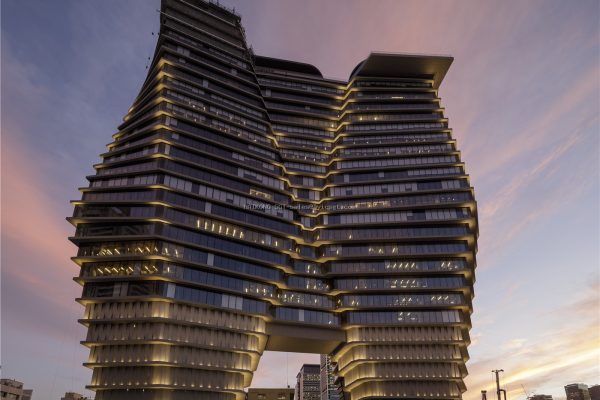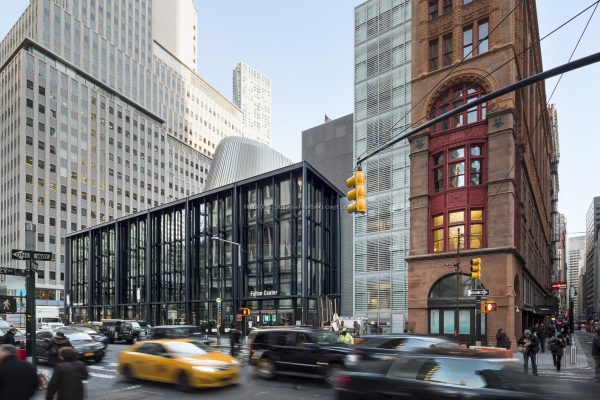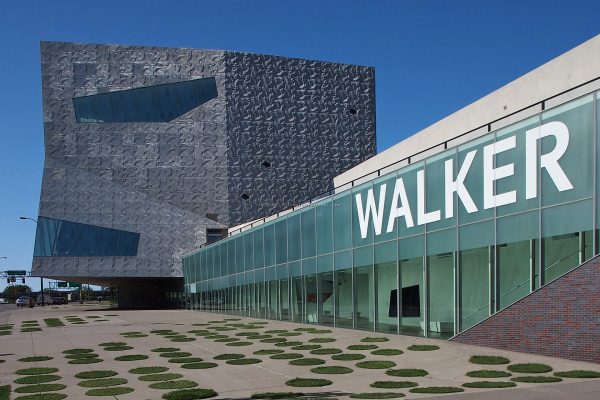
Modern commercial architecture continues to move toward larger glazed façades with cleaner visual lines and higher daylight penetration. From office towers and airports to mixed-use developments and luxury hotels, glass curtain walls now play a central role in both building appearance and environmental performance.
As glazing areas increase, façade systems face a more complex engineering challenge. Excessive solar heat gain can raise indoor cooling demand, increase HVAC operating costs, and reduce occupant comfort near perimeter zones.
Because of this, Low-E curtain wall glass has become a common specification in high-performance façade systems, especially in regions with long cooling seasons and strong solar exposure.
Why Thermal Performance Matters in Large Curtain Walls
In conventional curtain wall systems, large glass surfaces allow significant solar radiation to enter the building envelope. Without proper solar control, this often results in:
- Higher cooling loads
- Increased glare
- Uneven indoor temperatures
- Greater energy consumption
- Reduced occupant comfort
For airports, exhibition centres, office towers, and large public buildings, façade energy performance has become an important part of the overall building design strategy rather than a secondary material decision.
This shift has accelerated the use of insulated Low-E coated glass in commercial façades.
How Double Low-E Glass Improves Facade Efficiency
Low-E glass uses microscopically thin metallic coating layers to reduce infrared heat transfer while maintaining visible light transmission.
Compared with traditional reflective coated glass, Double Low-E systems provide a more balanced combination of:
- Solar shading
- Daylight transmission
- Thermal insulation
- Exterior glare control
- Neutral façade appearance
In large curtain wall applications, Double Low-E coatings help reduce solar heat gain while preserving natural daylight inside the building.
Many advanced architectural glass manufacturers, including HAIKONG SGT, now use offline vacuum magnetron sputtering (PVD) technology to produce multi-layer coated glass systems for high-performance façade projects.
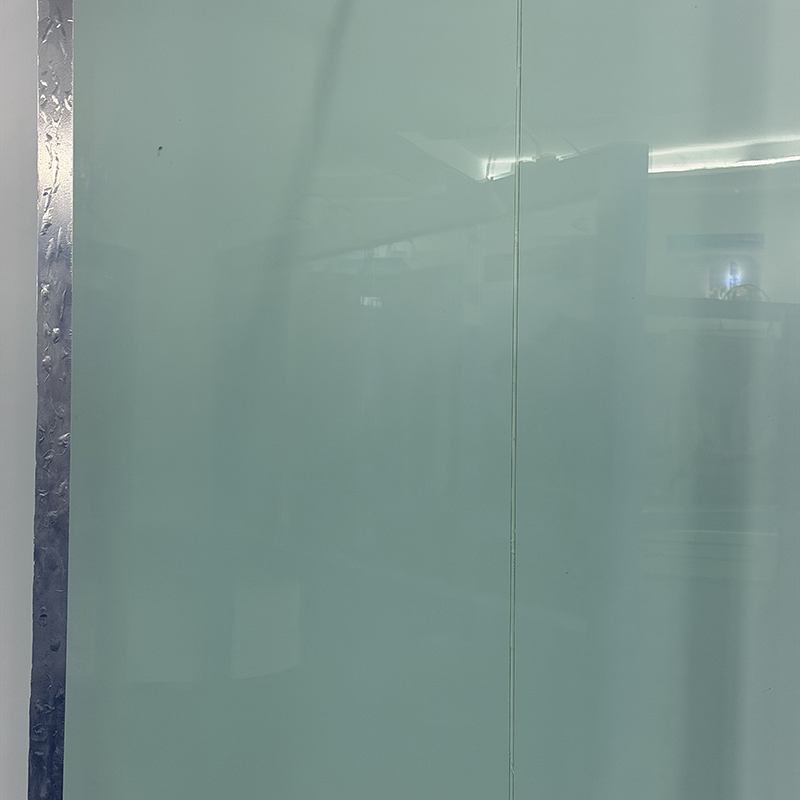
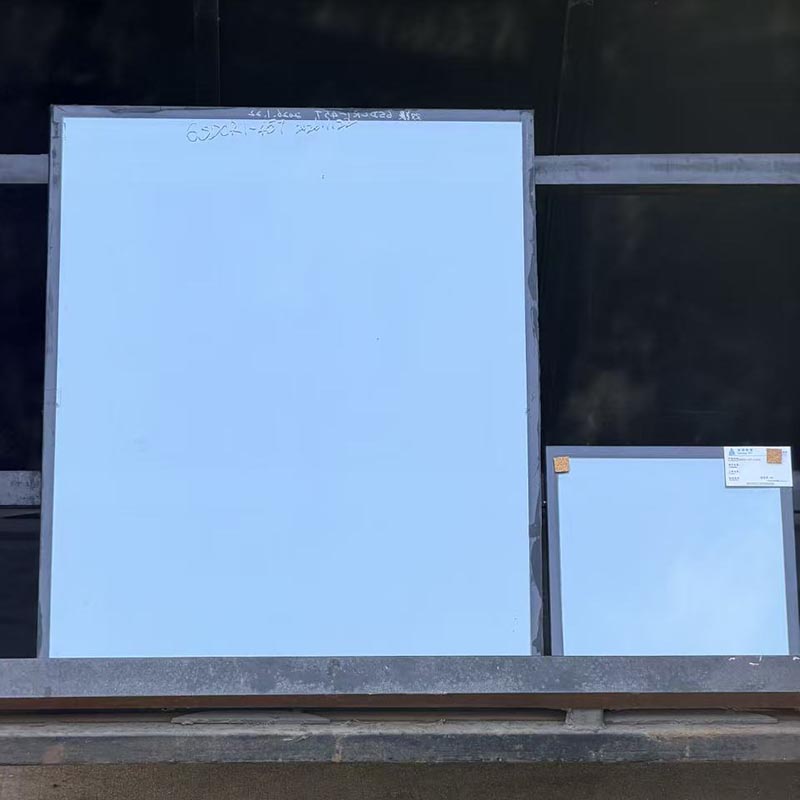
Silver-grey Double Low-E Glass for Commercial Buildings
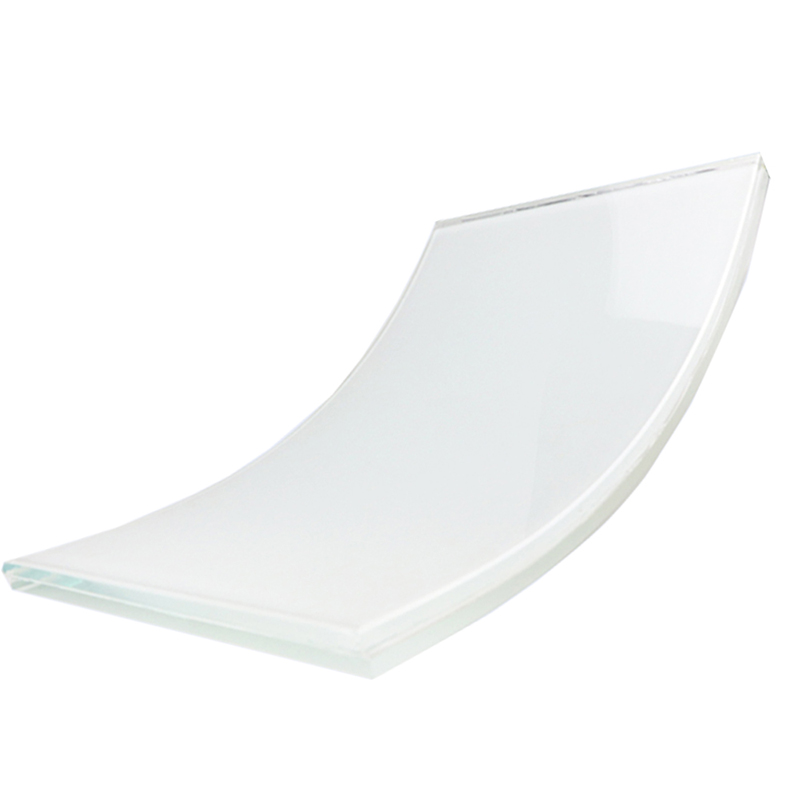
Silver-grey Double Low-E glass adopts a 9–13 layer coating structure that combines double nano-silver functional layers with multiple dielectric and protective coatings.
Compared with heavily reflective blue or gold coated glass, silver-grey coatings create a more neutral exterior appearance with lower visible glare.
This type of coated architectural glass is commonly specified for:
- Grade A office buildings
- Commercial curtain wall systems
- Airports and transportation hubs
- Exhibition centres
- Luxury residential developments
- High-rise mixed-use projects
The coating configuration also helps improve long-term thermal stability and exterior weather resistance.
Technical Specifications
| Parameter | Performance |
|---|---|
| Coating Technology | Offline vacuum magnetron sputtering (PVD) |
| Coating Structure | 9–13 layer composite coating |
| Functional Layers | Double nano-silver Low-E layers |
| Visible Light Transmittance | 40–41% |
| External Reflectance | 24–26% |
| Shading Coefficient (SC) | 0.24–0.25 |
| Solar Heat Gain Coefficient (SHGC) | 0.21–0.22 |
| Glass Thickness | 3–19 mm |
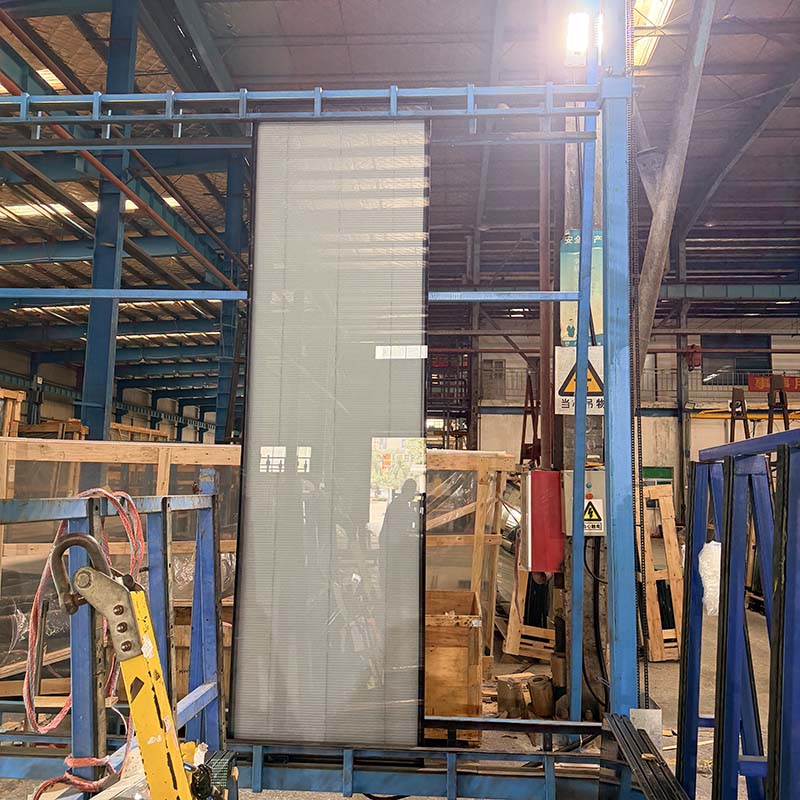
| Oversized Processing Capability | Up to 2540 × 7000 mm |
This performance configuration is particularly suitable for tropical, subtropical, and high-temperature regions where solar control and cooling-load reduction are major design priorities.
Double Low-E Glass vs Traditional Reflective Glass
Traditional reflective glass mainly reduces glare by increasing exterior reflectivity. While this approach lowers visible solar intensity, it may also reduce indoor daylight quality.
Double Low-E systems work differently.
The nano-silver coating reflects infrared radiation while allowing controlled visible light transmission through the glazing system. This improves thermal insulation without excessively darkening interior spaces.
Compared with standard reflective coated glass, Double Low-E systems generally offer:
- Lower solar heat gain
- Improved thermal insulation
- Better daylight balance
- Reduced indoor glare
- More neutral exterior colour consistency
Because of these advantages, Double Low-E coated glass has become increasingly common in energy-saving curtain wall systems.
Manufacturing Challenges in Oversized Coated Glass
Producing oversized Low-E curtain wall glass requires tight process control across coating, tempering, lamination, and insulating stages.
As glass panels become larger, manufacturers must carefully manage:
- Optical distortion
- Coating uniformity
- Roller wave during tempering
- Edge stability
- Colour consistency between batches
- Lamination compatibility
- Heat soak processing
Even small coating variations may become visible across large curtain wall elevations.
For this reason, many façade contractors prefer working with experienced Low-E glass manufacturers that maintain dedicated oversized coated glass processing capabilities.
HAIKONG SGT operates a 200,000 m² production facility equipped with:
- Automated tempering lines
- Large-format coating systems
- Heat soak furnaces
- Laminated glass production lines
- Insulated glass processing systems
The facility processes custom oversized coated glass panels for curtain wall and façade engineering projects.
Manufacturing Process
The production of Double Low-E curtain wall glass typically includes the following stages:
- Float glass selection
- Precision cutting and edging
- Vacuum magnetron sputtering coating
- Tempering or heat strengthening
- Heat soak testing (optional)
- Laminating or insulating assembly
- Final inspection and packaging
Each stage directly affects coating durability, optical consistency, and long-term façade performance.
Conclusion
As modern buildings continue increasing façade transparency, thermal control has become a critical part of curtain wall engineering.
Double Low-E curtain wall glass helps balance daylight transmission, solar control, and building energy efficiency within large commercial glazing systems.
For projects located in high-temperature or high solar-radiation environments, silver-grey Double Low-E coated glass provides a practical combination of shading performance, thermal insulation, and façade aesthetics.
With the growing demand for energy-saving architectural glass, custom oversized coated glass systems are becoming an increasingly important solution in commercial façade construction.