Double Curved Glass: Engineering Freedom for Complex Architectural Forms
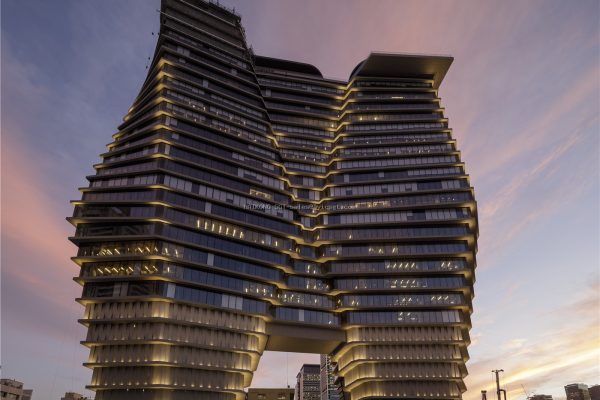
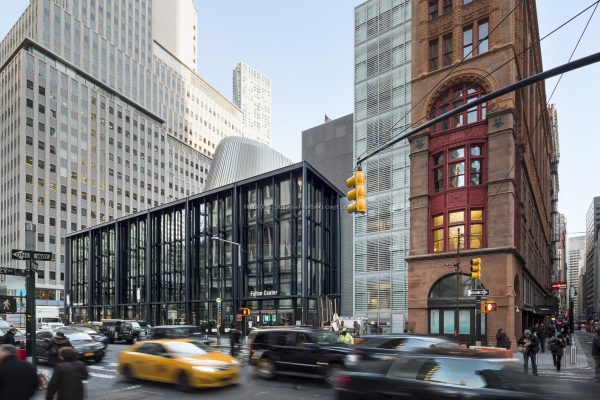
Modern architecture increasingly favors fluid forms, dynamic geometries, and visually striking building envelopes. From iconic museum domes and airport terminals to high-end commercial developments and landmark public spaces, architects are moving far beyond flat and single-curved glazing to achieve unprecedented design freedom.
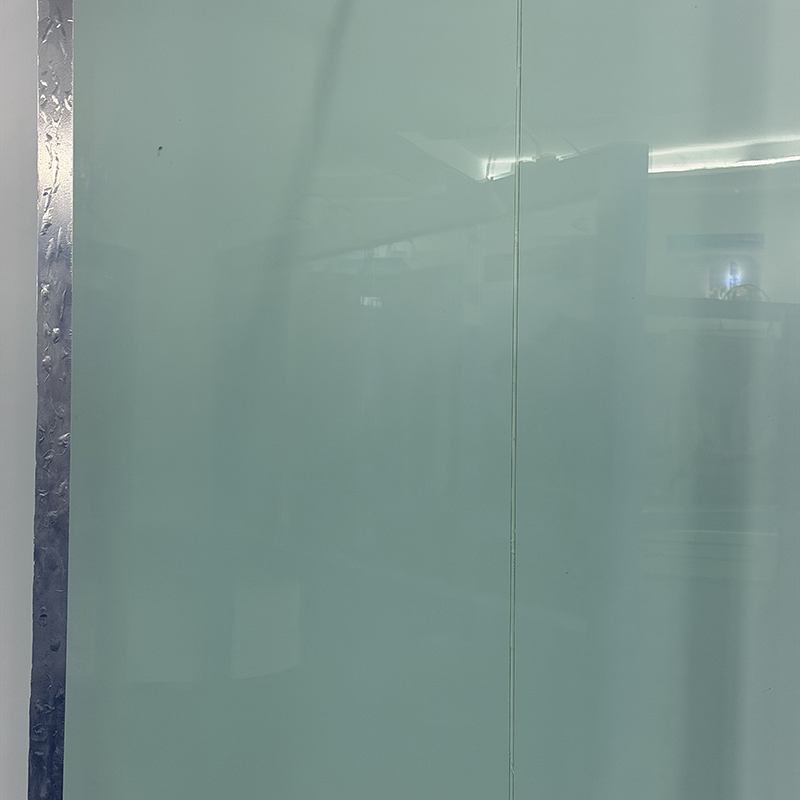
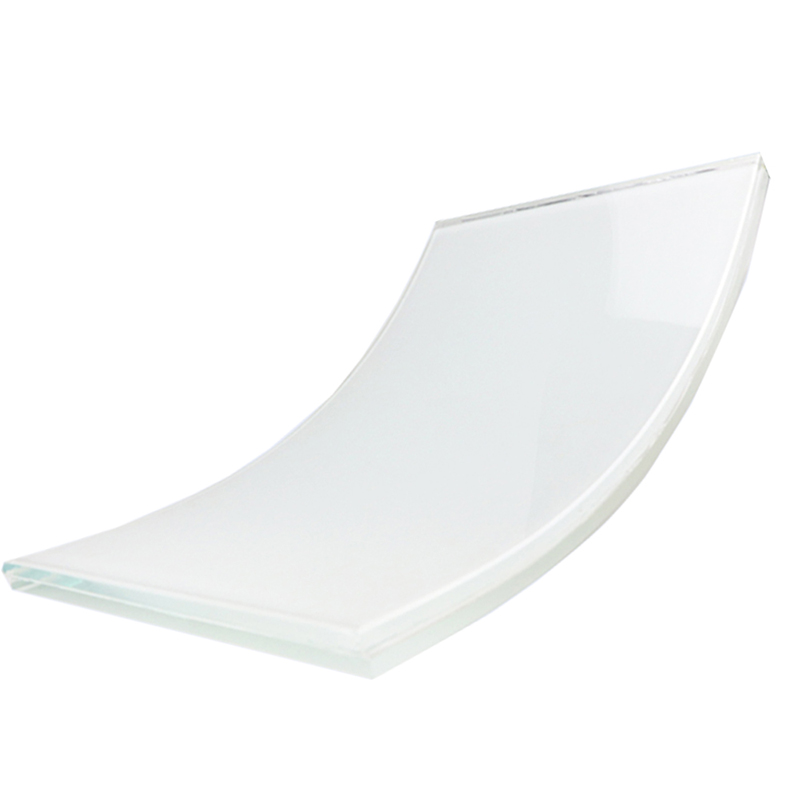
At the heart of this evolution lies double curved glass, a specialized architectural glazing solution capable of forming complex three-dimensional surfaces with superior mechanical stability. HAIKONG SGT engineers heat-bent panels for projects requiring flawless optical quality, structural efficiency, and precise tolerance control.
What Is Double Curved Glass?
This product bends simultaneously in two perpendicular directions, producing sophisticated 3D shapes such as spherical surfaces, saddle forms, hyperboloids, and organic freeform geometries.
Unlike single curved panels, which bend along only one axis to form cylindrical or conical shapes, these freeform glazing solutions enable designers to realize truly fluid building skins. Moreover, the double curvature increases structural stiffness and load-bearing capacity, allowing larger transparent spans or thinner glass sections without compromising safety.
How HAIKONG SGT Manufactures Double Curved Glass
The production of premium heat-bent glass involves a customized forming and slow annealing process:
- Mold Engineering:HAIKONG SGT fabricates a dedicated 3D steel mold for each panel, precisely matching the architect’s CAD model coordinates.
- Gravity Shaping:Flat glass is placed over or into the mold and heated to its softening point. Gravity or controlled mechanical pressure forms the glass accurately to the mold’s contours.
- Precision Annealing:Panels cool gradually under strict temperature controls. Slow annealing eliminates internal stresses, locks in dimensional stability, and minimizes optical distortions.
This method ensures that these complex panels cannot be produced using conventional bent tempered glass processes. Standard roller-hearth lines often introduce defects such as roller waves, anisotropy, or surface undulations, all of which HAIKONG SGT’s process avoids.
Why Architects Choose Freeform Glass
Freedom of Architectural Design
Heat-bent panels allow architects to break free from conventional geometric constraints. Complex façades, sculptural entrances, flowing atria, and transparent domes can be realized while maintaining continuity, daylight penetration, and spatial openness.
Consequently, these panels have become the preferred choice for landmark buildings and iconic architectural projects worldwide.
Structural Efficiency
Double curvature naturally distributes loads across the surface, reducing the number of supporting structures required. As a result, architects can achieve expansive transparent areas and uninterrupted sightlines. Additionally, optimizing glass thickness becomes possible, lowering material use while preserving safety.
Superior Optical Quality
HAIKONG SGT’s heat-bent freeform glazing delivers exceptional visual performance. Compared with bent tempered glass, it eliminates:
- Roller wave distortion
- Anisotropy patterns
- Surface undulations
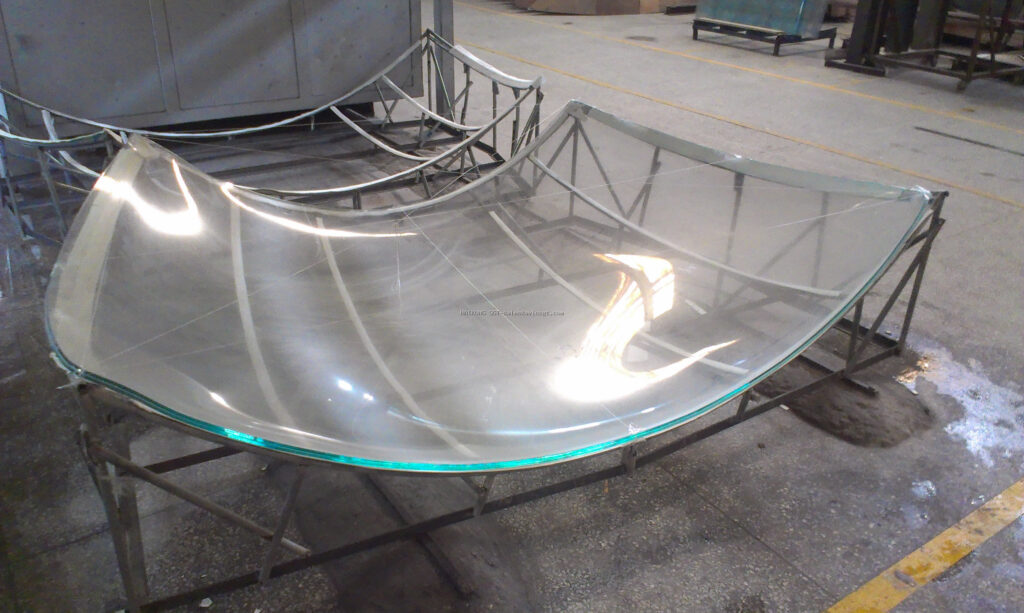
Thus, façades achieve clear, distortion-free reflections, which is critical for high-visibility applications such as museums, cultural centers, premium retail, and corporate headquarters. Furthermore, the smooth surface enhances both interior and exterior visual experience.
Double Curved Glass vs Single Curved Glass
| Feature | Single Curved Glass | Double Curved / Freeform Glass |
| Bending Axis | One direction (cylindrical) | Two perpendicular directions simultaneously |
| Geometric Output | Cylinders, basic cones | Spheres, saddle surfaces, paraboloids, freeform shapes |
| Optical Uniformity | Moderate to Good | Excellent (no roller waves or anisotropy) |
| Tooling | Adjustable rollers | Dedicated custom 3D mold per panel |
| Structural Stiffness | Standard baseline | Enhanced by 3D geometry |
| Production Cycle | Short to medium | Longer due to custom mold and annealing |
Although heat-bent panels require higher investment than single curved glass, they provide unmatched visual and structural benefits, justifying their use in landmark architectural projects.
Laminated Freeform Glass for Safety Compliance
Heat-bent panels cannot rely on conventional tempering for impact resistance. Therefore, HAIKONG SGT laminates glass with PVB or SGP interlayers.
These laminated systems meet international standards, including:
- EN 1863– Thermally strengthened glass
- EN 12543– Laminated architectural glass
- ASTM C1468– Architectural laminated glass specification
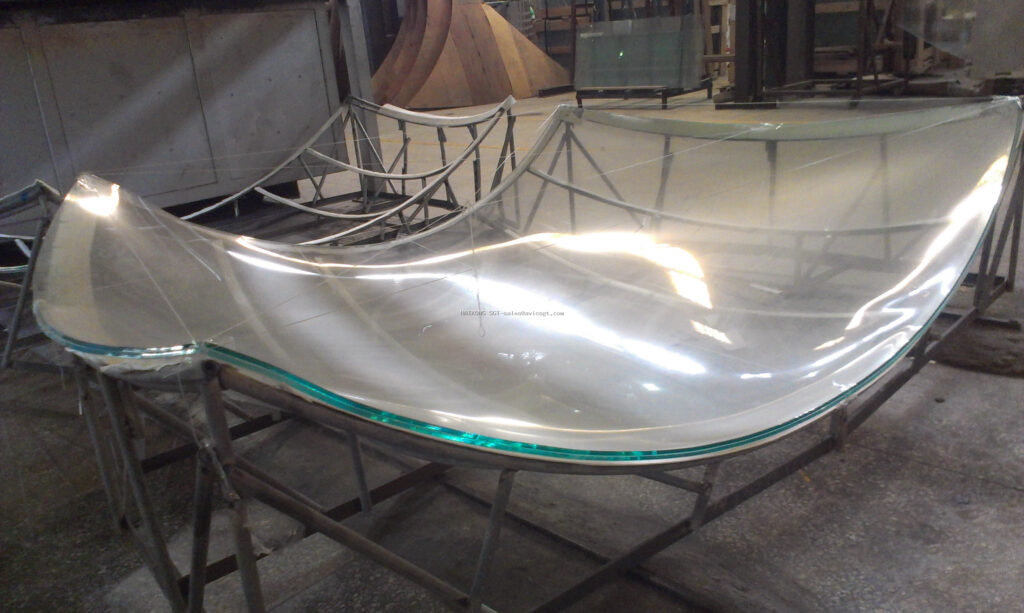
This ensures safety for façade, atrium, and overhead applications while maintaining optical excellence and design flexibility.
Landmark Applications
These panels are ideal for high-profile architectural features, including:
- Architectural domes and skylights:Self-supporting transparent roofs maximize daylight.
- Airport terminals and transportation hubs:Continuous façades withstand wind and live loads.
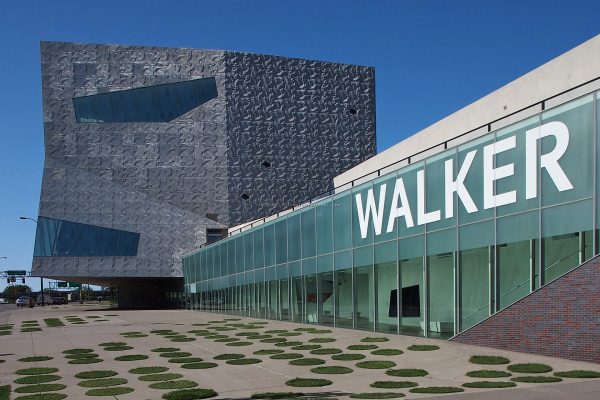
- Museums and cultural centers:Sculptural envelopes create lasting public statements.
- Premium commercial entrances:Unobstructed transparent experiences for corporate or retail flagship locations.
These applications demonstrate why freeform heat-bent glass is favored for visually demanding and structurally critical projects.
Understanding the Complexity Behind Freeform Glass
Producing double curved panels is highly custom:
- Each panel requires a dedicated mold.
- Production cycles are longer due to precise heat-bending and annealing.
- Rigorous optical inspections ensure defect-free installation.
Although these factors increase cost compared with single curved glass, the architectural and structural advantages provide significant long-term value, particularly for landmark buildings.
FAQ
Q1: Can double curved glass panels be insulated for energy efficiency?
Yes. HAIKONG SGT can assemble heat-bent panels into Insulating Glass Units (IGUs), combining aesthetic flexibility with compliance to regional energy codes.
Q2: Why is mold cost higher for double curved glass?
Each panel requires a CNC-machined 3D steel mold. While the investment is significant, the superior visual quality and reduced need for support structures deliver strong project value.
Conclusion
Double curved glass represents the pinnacle of architectural glazing, merging artistic freedom with engineering performance. Its ability to form organic shapes, large transparent spans, and iconic façades makes it the preferred choice for signature projects worldwide.
Planning a freeform façade, transparent dome, or sculptural architectural element? Explore HAIKONG SGT’s double curved glass portfolio or contact our engineering team for custom mold evaluations, CAD reviews, and factory-direct quotations.