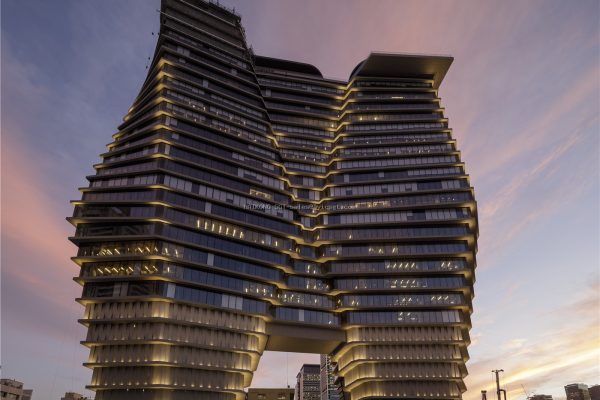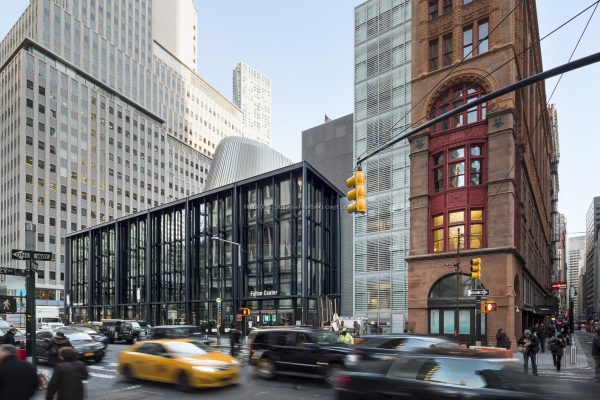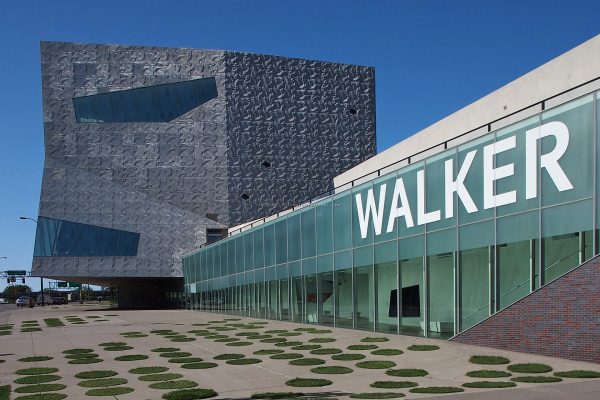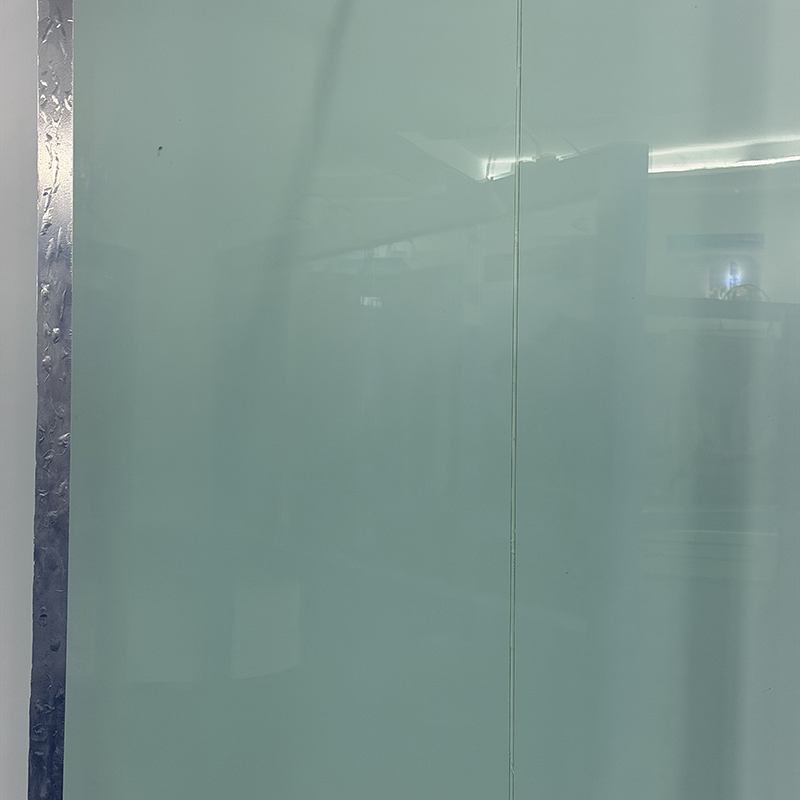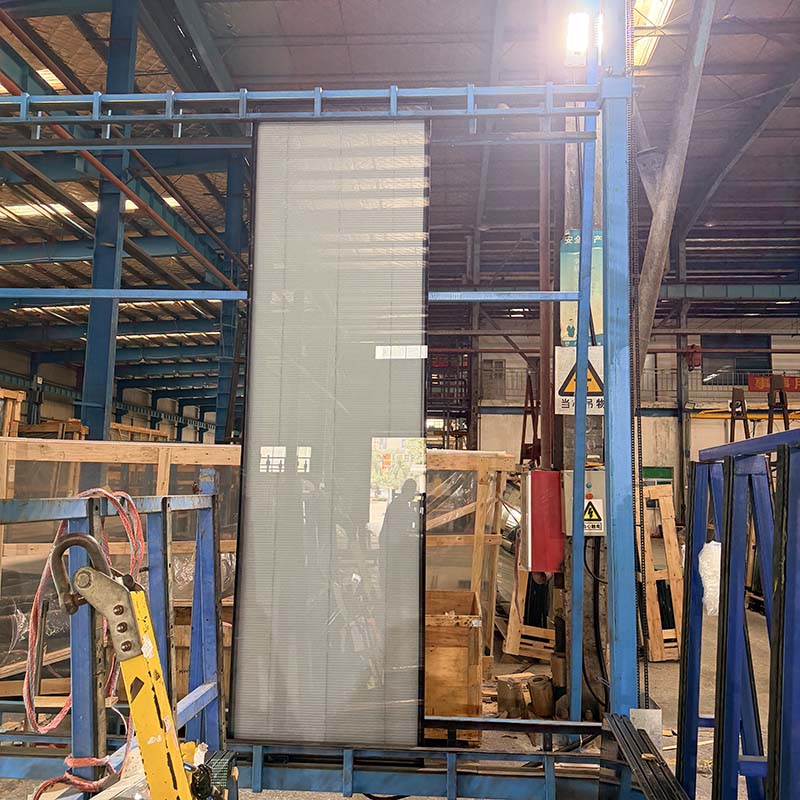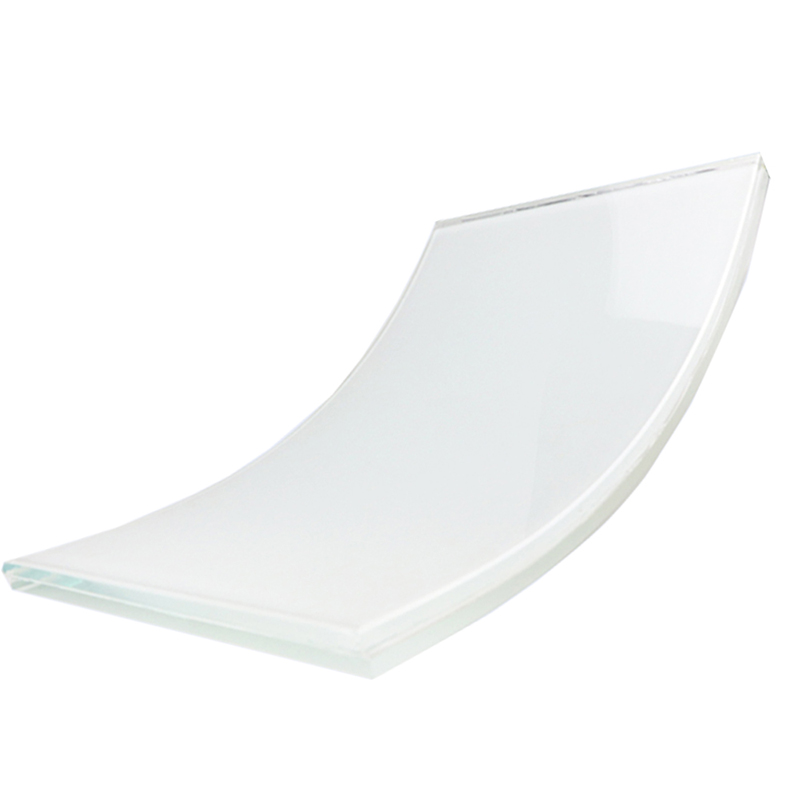
Frosted glass gives privacy while still allowing natural light. It diffuses light through a textured or chemically treated surface. Architects use it in facades, interiors, and privacy zoning systems.
HAIKONG SGT produces architectural privacy glass through industrial processing lines. We use sandblasted glass as the main solution and apply acid etched glass for interior projects.
Architectural Privacy Glass Applications
Modern architecture uses glass to control both light and privacy. Frosted glass helps architects design open spaces without losing visual separation.
We supply frosted glass for:
- office partitions and meeting rooms
- hotel bathroom privacy systems
- residential window privacy solutions
- healthcare interior spaces
These applications replace solid walls and support flexible spatial design.
Sandblasted Glass Manufacturing Process
We produce sandblasted glass using high-pressure abrasive processing. This process creates a uniform frosted surface and delivers stable light diffusion.
HAIKONG SGT runs automated production lines to keep surface quality consistent in large architectural projects.
Applications include:
- sandblasted glass for curtain wall systems
- privacy glass panels for office buildings
- architectural glazing systems for commercial facades
- frosted glass for interior zoning projects
We support large architectural projects that require consistent glass surfaces.
Acid Etched Glass for Interior Design
We produce acid etched glass through a chemical surface process. It creates a smooth satin finish and softer visual effect than sandblasting.
Key features:
- smooth satin surface
- even light diffusion
- fingerprint resistance
- clean visual appearance
Applications include:
- frosted glass for interior partitions
- residential glass systems
- decorative panels
- furniture glass integration
This solution works well for interior environments with close viewing distance.
Sandblasted vs Acid Etched Glass
| Feature | Sandblasted Glass | Acid Etched Glass |
| Surface | textured finish | smooth satin |
| Privacy | higher | medium |
| Visual style | architectural look | refined interior look |
| Maintenance | standard cleaning | easier cleaning |
| Application | facade systems | interior systems |
We help clients choose the right architectural privacy glass based on project needs.
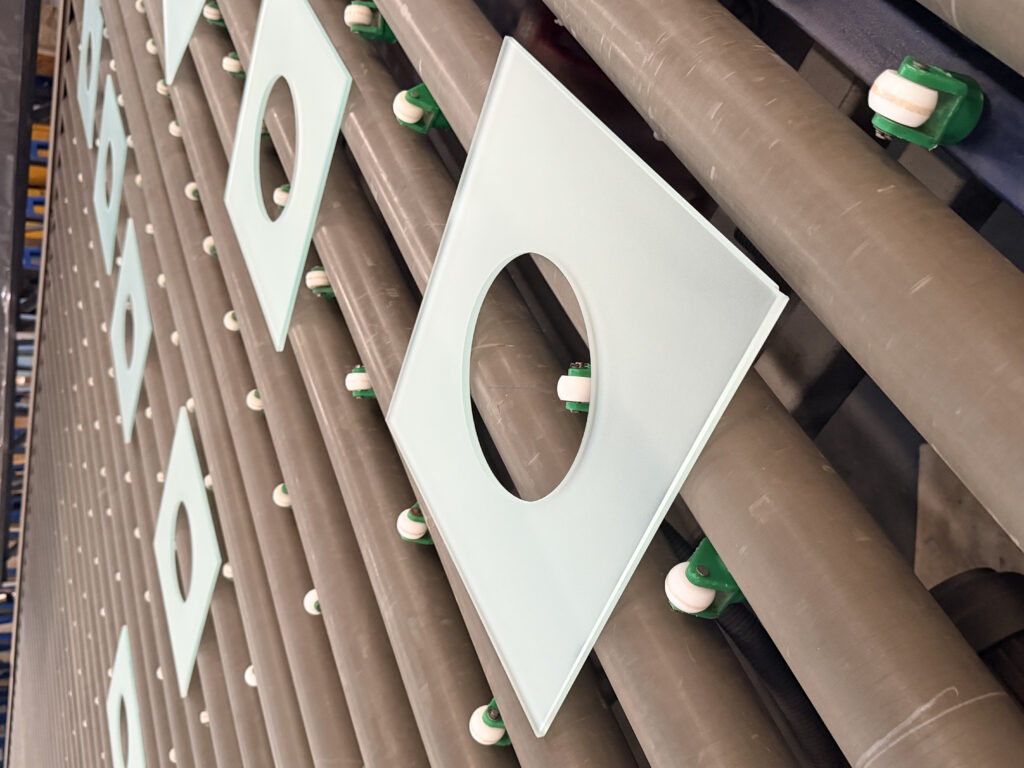
Key Features of Frosted Glass
Frosted glass delivers key performance benefits:
- we control privacy while keeping daylight
- we maintain surface durability over time
- we support tempered and laminated glass systems
- we integrate with IGU facade systems
- we provide custom design options
Application Scenarios
We apply frosted glass in many architectural environments:
- office partitions and meeting rooms
- hotel bathrooms and interior walls
- residential privacy windows
- retail zoning systems
- healthcare privacy areas
- furniture and decorative glass
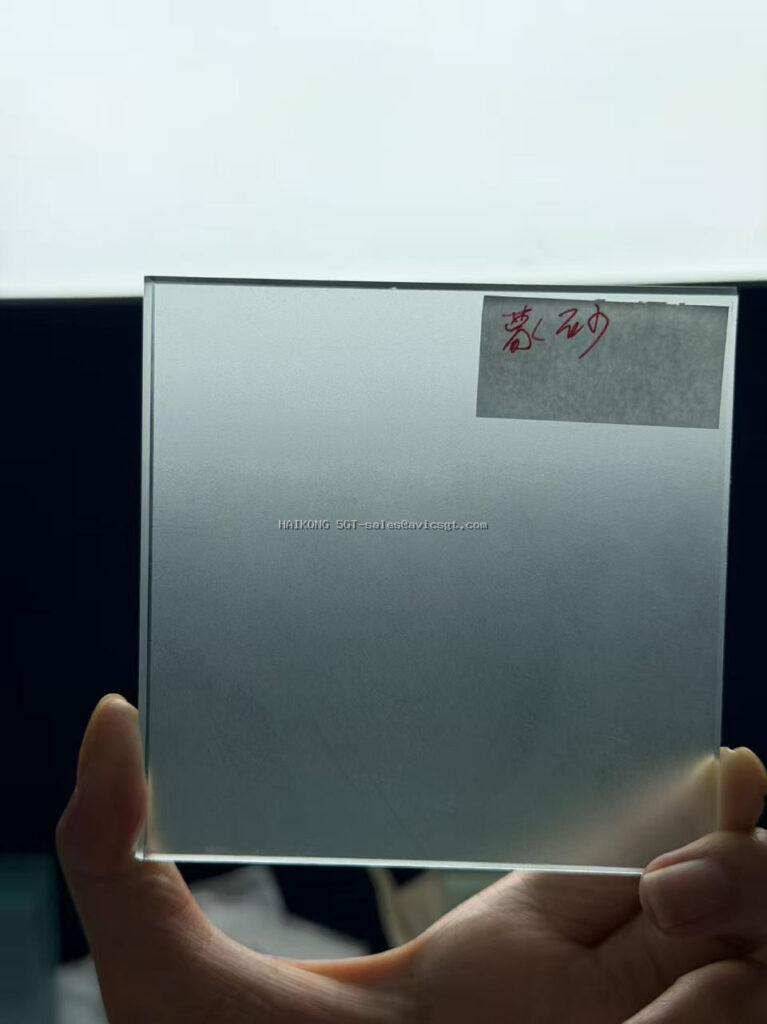
Large frosted panels help architects maintain clean facade continuity.
Material Selection Logic
Architects choose frosted glass based on function, not appearance.
Key factors include:
- privacy level in each space
- surface texture preference
- maintenance conditions
- facade integration requirements
- long-term durability needs
We help clients balance daylight control and visual privacy in real projects.
FAQ
Q1: What is the difference between sandblasted and acid etched glass?
Sandblasted glass has a more textured, higher-privacy surface, while acid etched glass is smoother and better for interior use.
Q2: Where is frosted glass commonly used?
It is used in offices, hotels, bathrooms, healthcare spaces, and residential windows for privacy while still allowing natural light.
Conclusion
Frosted glass plays a key role in modern architectural privacy systems. It supports both facade and interior applications where light control and visual separation are required.
HAIKONG SGT supplies architectural privacy glass using sandblasted glass as the main process and acid etched glass as a complementary finish. Our solutions support commercial, residential, and facade projects worldwide.