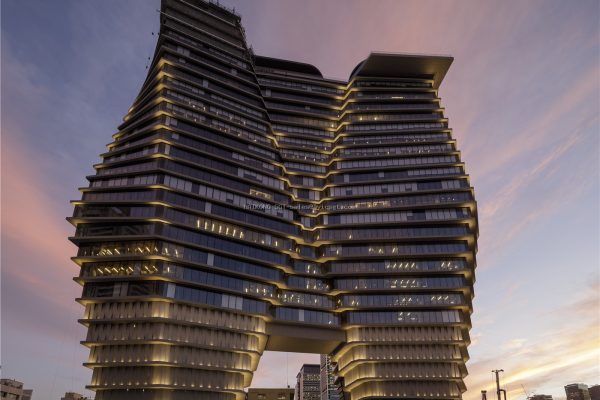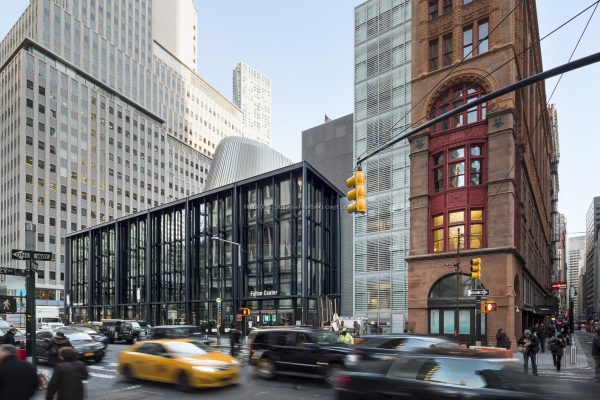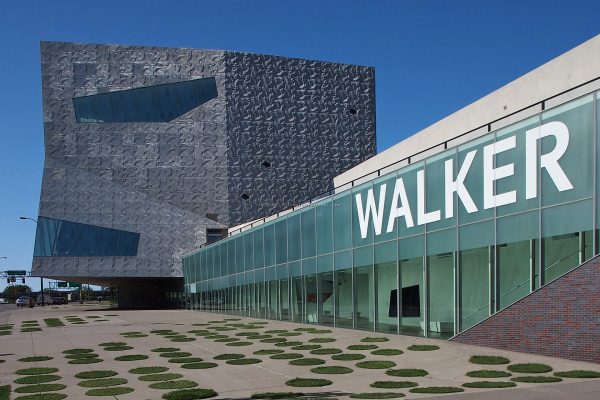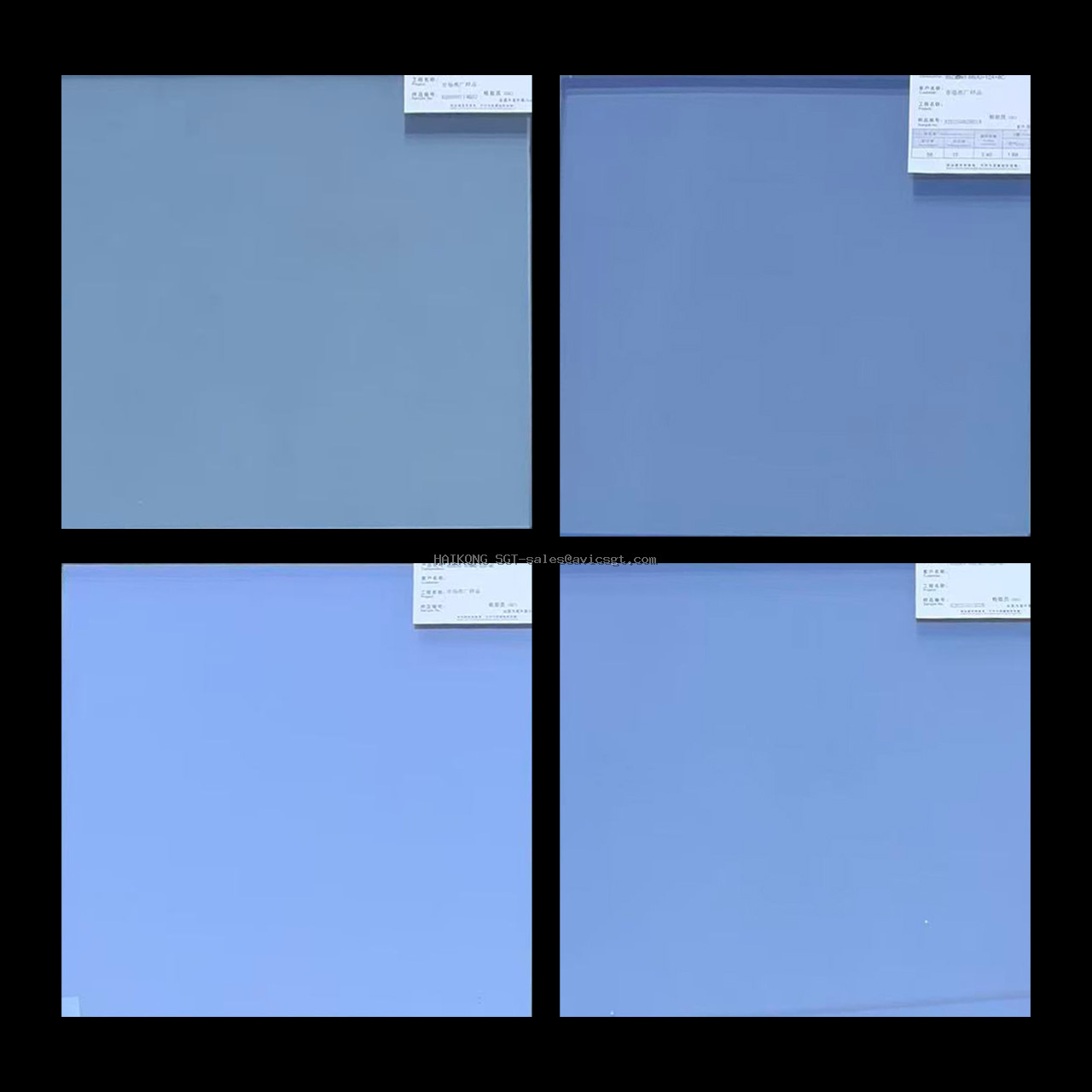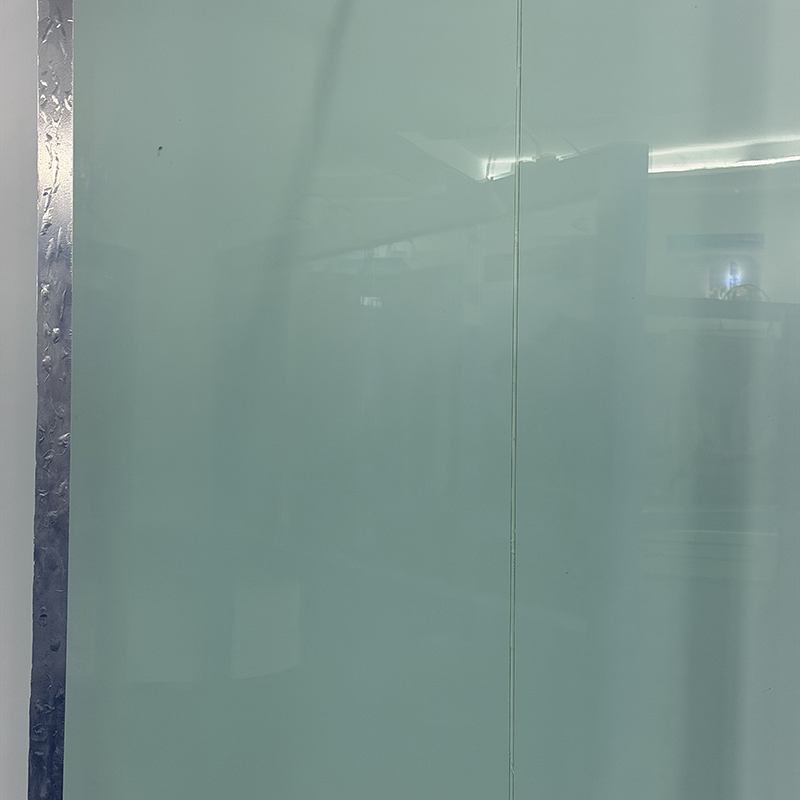
Large transparent facades are changing modern architecture, but oversized glazing creates complex engineering challenges. Architectural jumbo glass enables seamless visual designs for flagship stores, luxury hotels, and high-rise buildings, replacing traditional segmented curtain walls with uninterrupted transparency. However, glass panels extending 12m, 15m, or even 18m require precise control of deflection, optical distortion, lamination quality, and installation safety.
As a professional architectural glass supplier, HAIKONG SGT combines over 32 years of glass processing experience with advanced testing capabilities to provide customized jumbo glass solutions for demanding construction projects worldwide.
Engineering Challenges of Architectural Jumbo Glass
When you select architectural jumbo glass for large-scale projects, size becomes the main engineering factor. A longer glass panel carries significantly higher self-weight loads, which can cause visible bending and affect facade appearance.
The main challenges include:
- Thermal processing control: Uneven heating during tempering may create overall bow deformation.
- Optical distortion: Roller wave patterns can affect reflections on large glass surfaces.
- Lamination reliability: Long interlayers require precise autoclave processing to prevent bubbles and delamination.
- Installation safety: Jumbo panels require specialized lifting equipment and strict site procedures.
-
Self-weight deflection: Extra-long panels create large bending loads; improper design may lead to excessive elastic deflection, and interlayer creep under long-term static load.
Optical Quality Control for Super-Long Laminated Glass
Preventing Roller Wave and Visual Distortion
During tempering, glass reaches a softened high-temperature state before cooling. When oversized panels pass through conveyor rollers, small surface waves may appear.
For super-long laminated glass, controlling roller wave depth is essential because even minor deformation becomes noticeable on large reflective facades.
SGT controls optical performance through:
- Uniform furnace temperature distribution for panels above 12 meters.
- Precise roller system adjustment to reduce surface deformation.
- Optical inspection using professional testing equipment.
- Strict wave distortion control, with roller wave depth maintained within 0.05 mm / 300 mm. (The 0.05 mm / 300 mm limit is a project-specific requirement rather than a universally mandated international standard. Final acceptance criteria shall be subject to the applicable project drawings and technical specifications.)
This process helps architects achieve clean reflections and distortion-free facade appearances.
Structural Performance: SGP Laminated Glass and Deflection Calculation
Why Choose SGP Interlayers for Jumbo Glass Panels?
For large architectural glazing, standard PVB interlayers may experience creep deformation under long-term loads. This can gradually increase deflection caused by self-weight and wind pressure.
SGP laminated glass provides higher structural stability because at room-temperature under short-term load, SGP delivers shear-modulus more than 50 times higher than standard PVB; performance degrades under elevated temperature and long-duration static load.
The advantages include:
- Improved glass layer bonding performance.
- Higher resistance against wind loads.
- Reduced long-term deformation.
- Better structural performance for oversized panels.
Engineers usually evaluate deflection based on glass span (L). For high-performance facade applications, deflection limits are commonly controlled within:
| Glass Application | Recommended Deflection Control | Main Consideration |
|---|---|---|
| Standard facade glazing | L/60 | General wind load resistance |
| High-end architectural jumbo glass | L/100 | Maximum visual quality and stability |
| Structural glass systems | Engineering calculation required | Load, support and safety factors |
By combining SGP interlayers with accurate structural calculations, jumbo glass panels can maintain both safety and architectural aesthetics.
Note:L/100 is a commonly-adopted target for premium aesthetic-focused projects; final deflection limit follows project specification and structural calculation.
Advanced Lamination Process for Super-Long Glass
Manufacturing extra-large laminated glass requires precise production procedures.
The typical process includes:
- Glass preparation and inspection
- Check raw glass quality, thickness tolerance, and surface defects.
- Interlayer selection
- Choose PVB, SGP, or customized interlayers according to structural requirements.
- Vacuum pre-lamination
- Remove trapped air and prevent edge bubbles.
- Autoclave processing
- Apply controlled temperature and pressure to achieve stable bonding.
- Final optical and mechanical inspection
- Verify appearance, bonding quality, and project compliance.
SGT uses professional optical, thermal, and color testing equipment, including spectrophotometers and infrared testing instruments, to ensure architectural glass meets international project requirements.
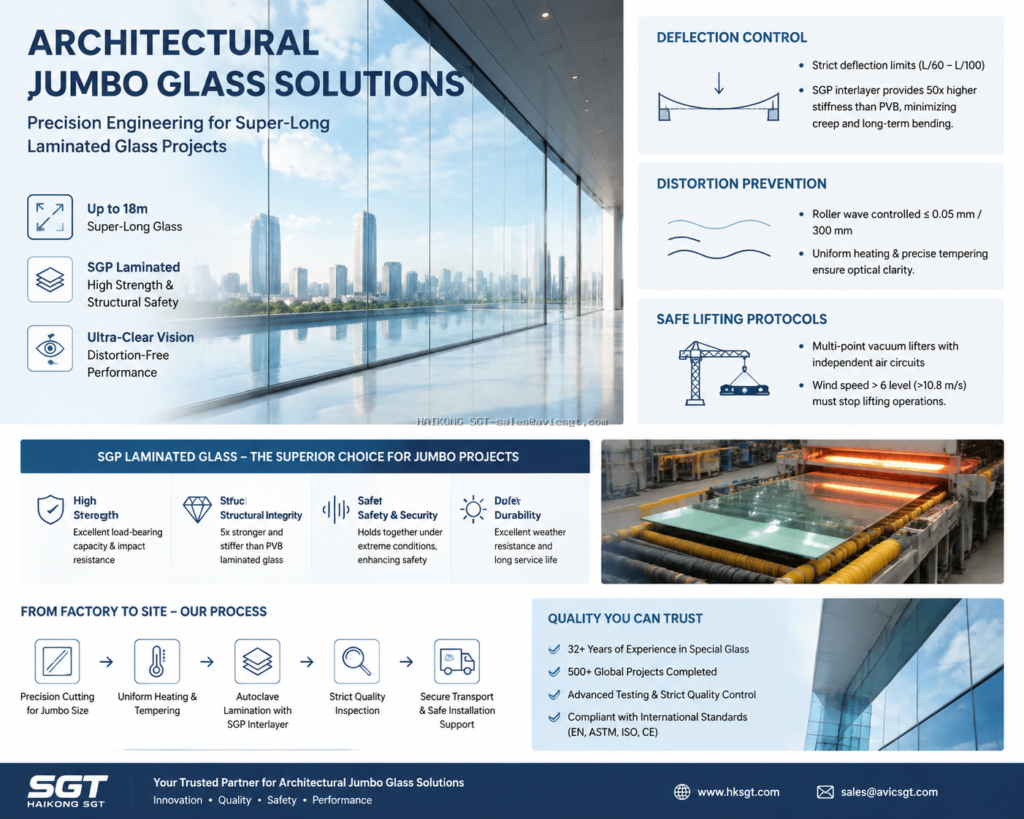
Safe Logistics and Installation Protocols for Jumbo Glass Panels
Vacuum Lifting Systems for Oversized Glass
Transportation and installation create additional risks because jumbo panels are large, heavy, and sensitive to wind conditions.
Professional installation requires:
- Multi-suction cup vacuum lifters with independent air circuits.
- Adjustable lifting beams for different panel dimensions.
- Temporary support systems during facade installation.
- Professional lifting plans before site operation.
A standard two-point suction lifter is not suitable for extremely long panels because concentrated stress may damage the glass.
Wind Speed Control During Installation
For super-long laminated glass installation, weather monitoring is critical.
Site teams should stop lifting operations when:
- Wind speed exceeds 10.8 m/s (approximately Force 6 wind).
- The panel becomes difficult to control during lifting.
- Safety distance requirements cannot be maintained.
Proper lifting protocols protect workers and prevent accidental glass damage.
SGT Architectural Jumbo Glass Solutions for Global Projects
HAIKONG SGT has supplied advanced glass solutions for projects across North America, Europe, Asia, and China.
With:
- 32+ years of glass deep processing experience
- 500+ global projects
- Advanced laboratory testing capabilities
- Customized architectural glass manufacturing
SGT supports architects, developers, and contractors with reliable solutions including laminated glass, curtain wall glass, and specialty architectural glazing systems.
FAQ
1. What is architectural jumbo glass?
Architectural jumbo glass refers to oversized glass panels designed for large-scale building applications, including curtain walls, commercial facades, and landmark architectural projects. These panels often require customized processing due to their large dimensions.
2. Why is SGP preferred for super-long laminated glass?
SGP provides higher stiffness and better resistance to creep deformation compared with traditional PVB. It helps jumbo glass maintain structural stability under long-term loads.
3. How do you control distortion in extra-large glass panels?
Manufacturers control distortion through uniform tempering temperatures, optimized roller systems, optical testing, and strict production standards such as roller wave limitation.
Conclusion
Selecting the right architectural jumbo glass supplier is essential for achieving safe, transparent, and visually consistent building facades. From deflection calculation and SGP interlayer selection to roller wave control and professional lifting procedures, every stage affects final project performance.
With decades of experience, advanced testing capabilities, and customized processing solutions, HAIKONG SGT delivers reliable architectural laminated glass solutions for complex global construction projects.
Request a Custom Jumbo Glass Solution from SGT
Contact HAIKONG SGT today to discuss your project requirements, including oversized glass dimensions, SGP laminated glass specifications, structural calculations, and customized architectural glazing solutions.