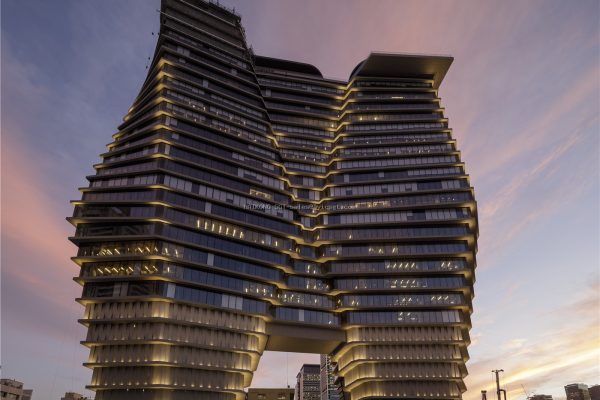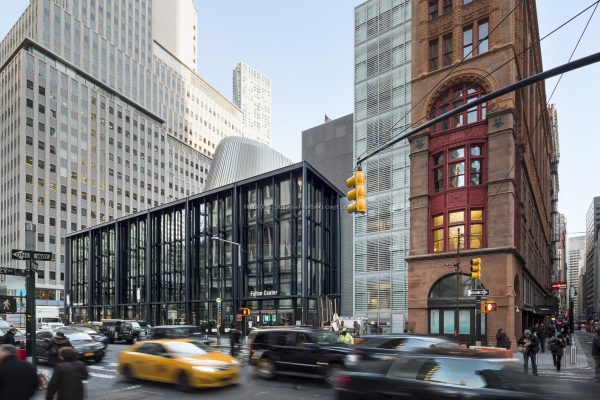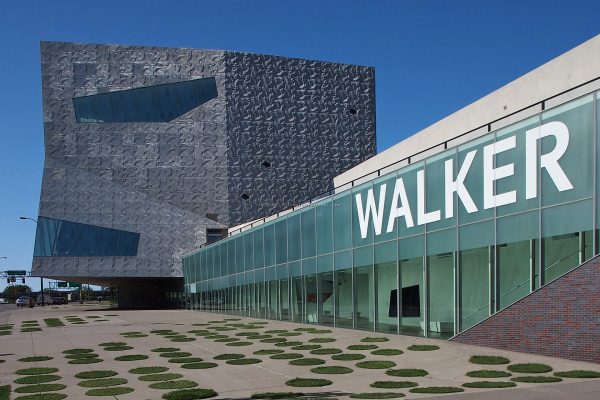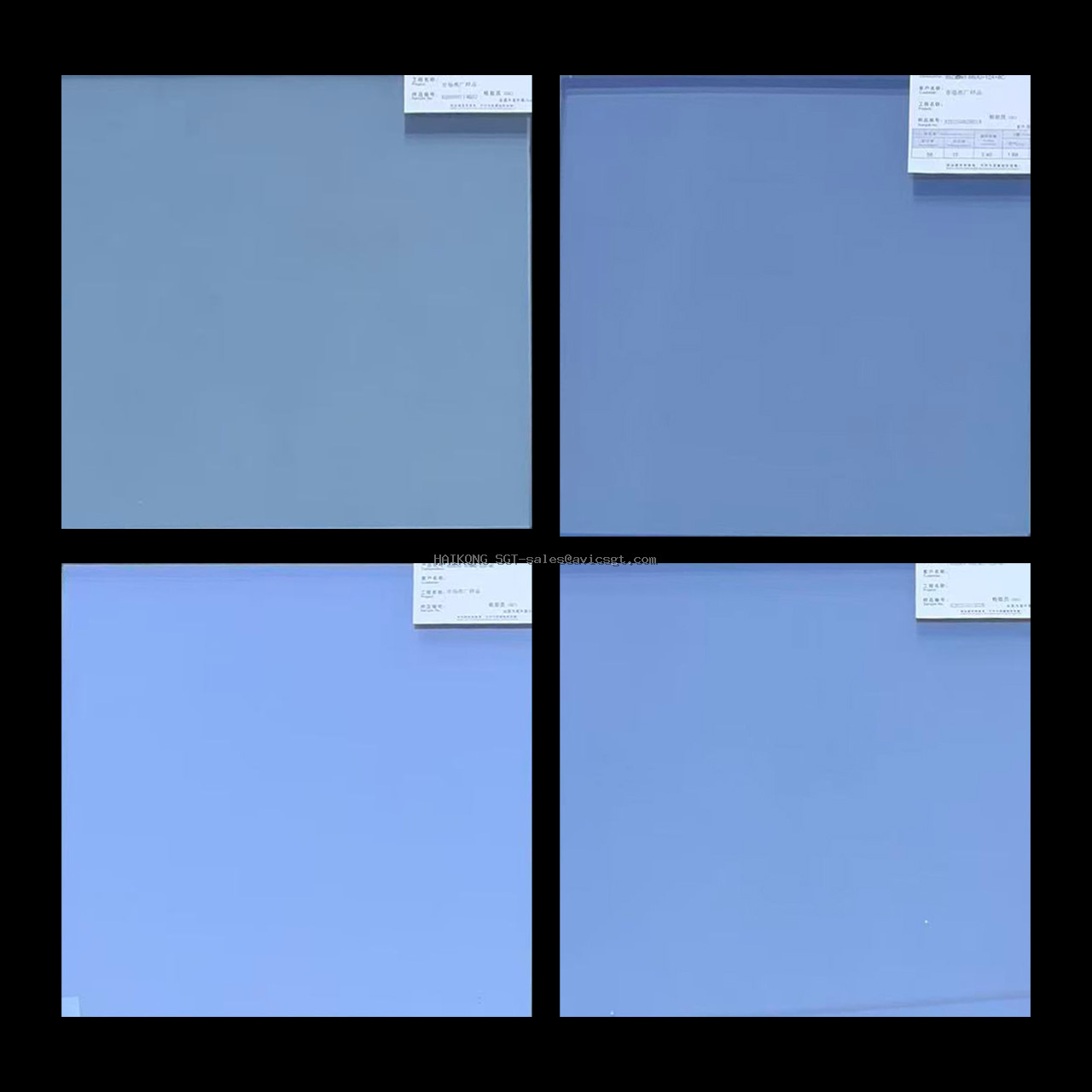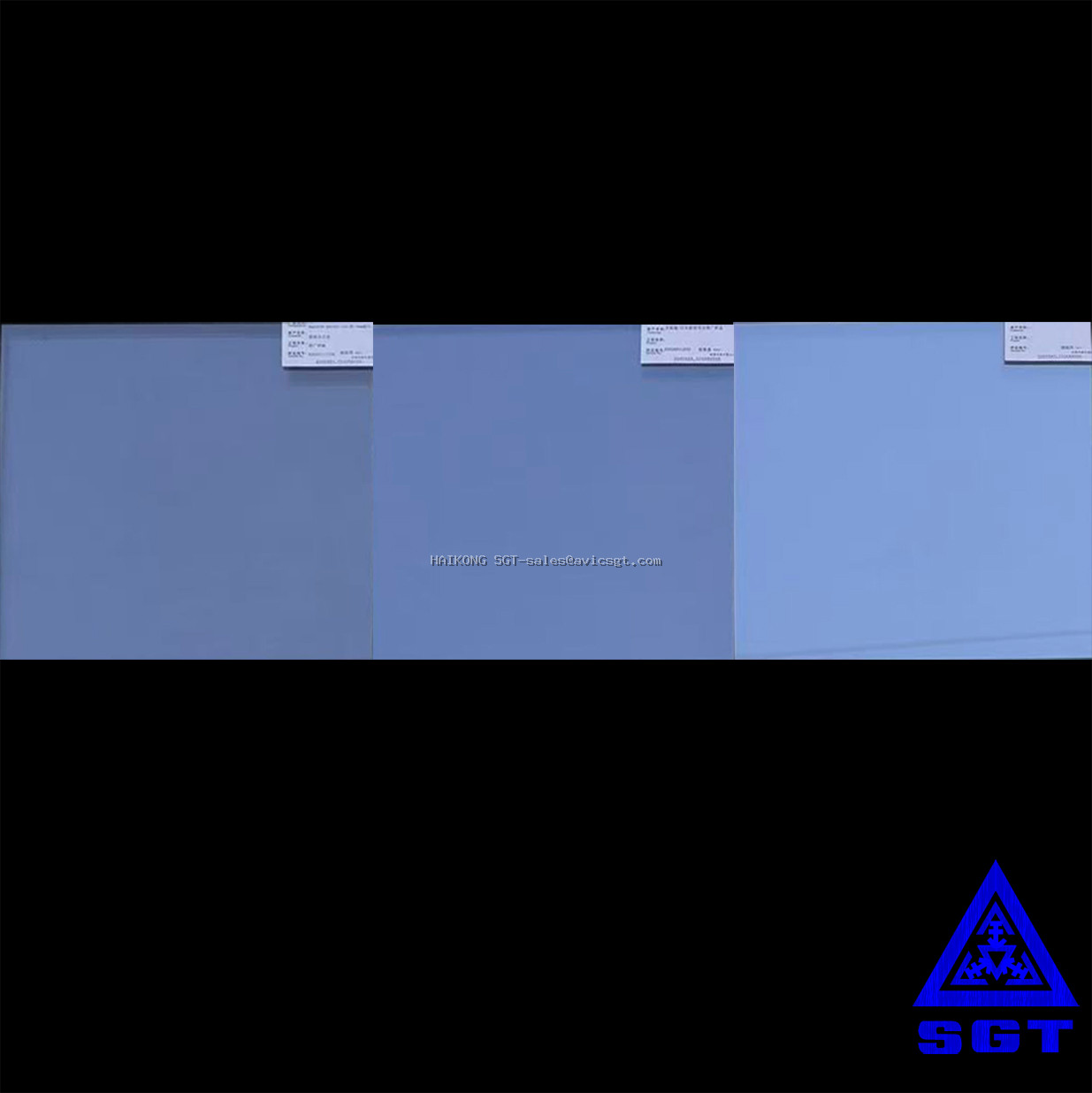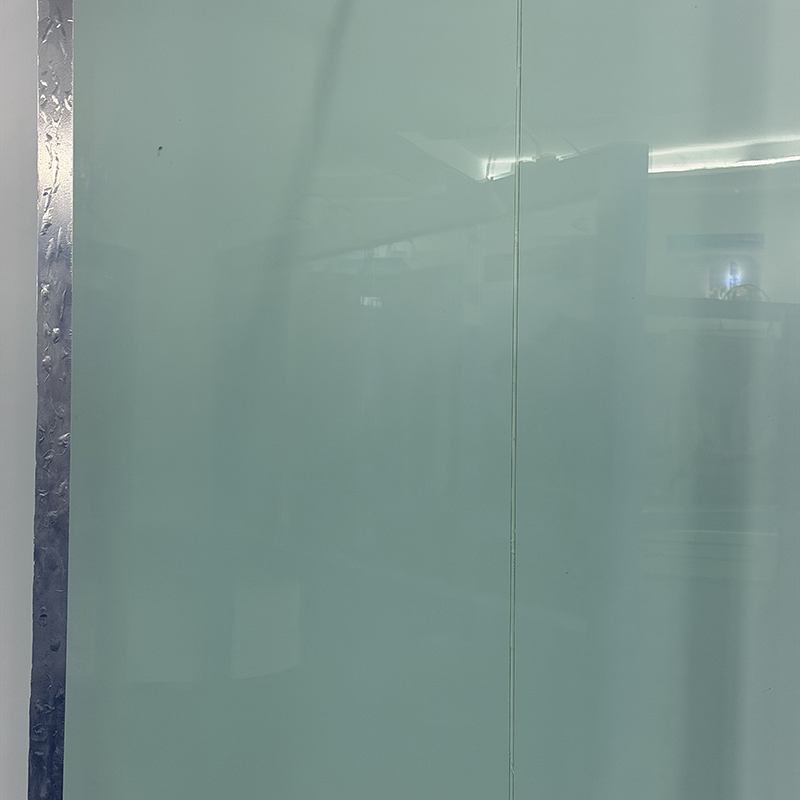
The demand for sustainable building materials is changing how architects and developers select glazing solutions. architectural low-e glass is no longer evaluated only by appearance, insulation, and safety performance. Under ESG requirements, EU CBAM regulations, and green building standards such as LEED v4.1, BREEAM, and WELL, project teams increasingly need transparent data on embodied carbon and lifecycle environmental impact.
Without Environmental Product Declaration (EPD) documentation, some special glass products may face challenges entering international green building projects. Guangdong Haikong Special Glass Technology Co., Ltd. (HAIKONG SGT), with more than 30 years of glass deep processing experience, provides high-performance glass solutions designed for modern architectural and industrial applications.
Why Low-Carbon Glass Matters in Modern Construction
Glass plays an important role in building envelopes, especially for curtain walls, commercial buildings, and landmark architecture. However, its carbon footprint comes from multiple stages, including raw material extraction, melting, processing, transportation, and installation.
A Life Cycle Assessment (LCA) evaluates environmental impacts from “Cradle-to-Gate,” including:
- Silica sand extraction and raw material preparation
- Glass melting energy consumption
- Tempering, coating, and lamination processes
- Transportation and manufacturing emissions
For green building projects, selecting low-carbon glazing materials helps reduce embodied carbon while maintaining safety, thermal performance, and architectural design flexibility.
How Architectural Low-E Glass Supports LEED v4.1 and BREEAM Projects
Architectural low-e glass uses low-emissivity coating technology to reduce heat transfer while maintaining natural daylight performance.
For architects and developers, high-performance Low-E glass can support:
- Lower building energy consumption
- Improved indoor thermal comfort
- Better daylight utilization
- Reduced solar heat gain (SHGC)
In LEED v4.1 projects, glass products with environmental transparency and energy-saving performance can contribute to Materials & Resources (MR) and Indoor Environmental Quality (EQ) considerations.
HAIKONG SGT uses professional testing equipment, including:
- Fourier Transform Infrared Spectrometer
- Lambda 1050+ Spectrophotometer
- 60° Optical Tester
- CM700D Color Difference Meter
These systems evaluate optical, thermal, and color performance to ensure products meet international project requirements.
Three Strategies for Reducing Glass Carbon Footprint
1. Increasing Glass Cullet Recycling
Using recycled glass cullet is one effective approach to reducing manufacturing emissions.
Every additional 10% increase in cullet usage can reduce approximately 5% of carbon emissions during the melting process because recycled glass requires less energy than raw materials.
Benefits include:
- Lower energy consumption
- Reduced CO₂ emissions
- Less dependence on natural resources
2. Switching to Cleaner Energy Production
Traditional glass production relies heavily on fossil fuels. Modern manufacturers are exploring cleaner production methods, including:
- Electric melting technology
- Renewable energy integration
- Energy-efficient manufacturing systems
These improvements help reduce the carbon intensity of glass production.
3. Optimizing Glass Structures with Advanced Laminates
High-performance laminated glass can improve safety while reducing unnecessary material thickness.
For example:
- SGP laminated glass provides high structural strength
- PET laminated glass delivers excellent impact resistance
- Multi-layer glass structures improve security performance
This allows engineers to optimize designs and reduce material consumption.
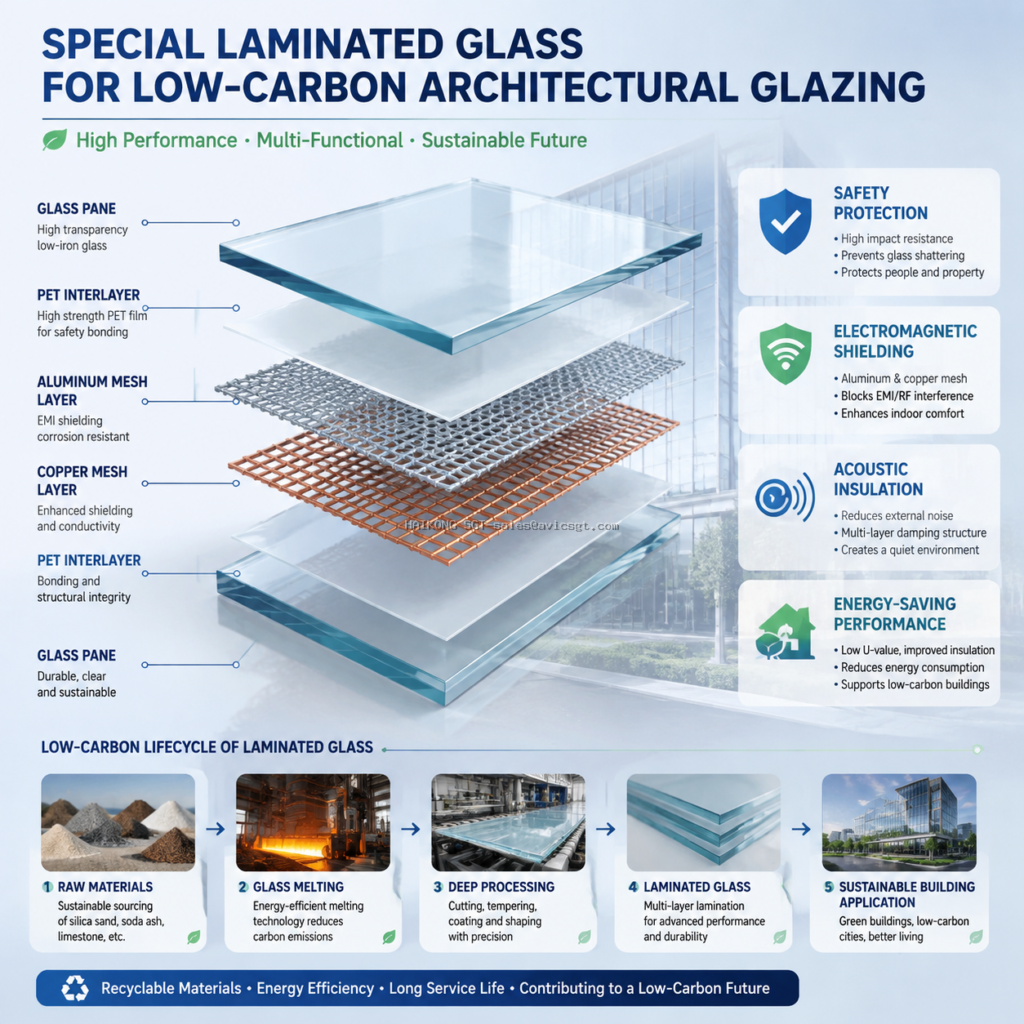
Special Laminated Glass Solutions for Advanced Applications
Modern buildings often require more than basic safety glazing. HAIKONG SGT develops special laminated glass solutions for applications requiring security, acoustic control, and electromagnetic protection.
PET Laminated Glass
PET laminated glass uses Polyethylene Terephthalate (PET) film as an interlayer between glass sheets.
Key advantages include:
- Tensile strength around 150–200 MPa
- Excellent optical clarity with haze below 1%
- Strong weather resistance
- Improved acoustic insulation
Typical applications:
- Commercial building windows
- Glass railings
- Acoustic glazing near airports
- Museum display systems
Laminated Glass with Aluminum Mesh
Aluminum mesh laminated glass integrates metal mesh between glass layers to provide additional functions.
Main features:
- Electromagnetic shielding capability
- Anti-riot protection
- Lightweight structure
- Corrosion resistance
Applications include:
- Industrial control rooms
- Laboratories
- Electrical facilities
- Government buildings
Laminated Glass with Copper Mesh
Copper mesh laminated glass provides stronger electromagnetic shielding due to copper’s excellent conductivity.
Common applications:
- Data centers
- MRI rooms
- EMC testing laboratories
- High-security facilities
EPD Certification and Green Building Credits
Environmental Product Declaration (EPD) provides verified lifecycle environmental information based on international standards.
EPD reports usually follow:
- ISO 14025 environmental declaration standards
- EN 15804 construction product sustainability standards
For LEED v4.1 projects, EPD-certified glass can support:
MR Credit: Building Product Disclosure and Optimization – EPD
Third-party verified EPD documentation helps improve material transparency and may contribute to LEED material credits.
MR Credit: Sourcing of Raw Materials
Glass containing recycled content, including post-consumer or pre-consumer recycled materials, can support responsible material sourcing strategies.
EQ Credit: Daylight & Quality Views
High-performance Low-E glass balances:
- Visible Light Transmittance (VLT)
- Solar Heat Gain Coefficient (SHGC)
- Thermal insulation
This helps create comfortable indoor environments while reducing energy demand.
PET Laminated Glass vs Metal Mesh Laminated Glass
| Performance | PET Laminated Glass | Aluminum Mesh Glass | Copper Mesh Glass |
|---|---|---|---|
| Impact Resistance | Excellent | Good | Excellent |
| Acoustic Performance | Excellent | Moderate | Moderate |
| EMI Shielding | Limited | 20–40 dB | 40–80+ dB |
| Optical Clarity | Haze <1% | Good | Good |
| Main Application | Safety & acoustic glazing | Industrial protection | Data centers & medical facilities |
Special Laminated Glass Manufacturing Process
HAIKONG SGT follows a controlled deep-processing workflow:
- Glass Cutting
Glass panels are precisely cut according to project requirements. Maximum size can reach 3300 mm × 18000 mm. - Edge Processing
Glass edges are polished to improve strength and processing stability. - Optional Coating
Functional coatings such as Low-E can be added for energy efficiency. - Tempering
Heat treatment improves mechanical strength and safety performance. - Laminating
PET, PVB, SGP, aluminum mesh, or copper mesh interlayers are integrated through high-temperature and high-pressure lamination. - Quality Testing
Optical, thermal, and color performance tests ensure compliance with project specifications.
FAQ
1. Why does architectural glass need EPD certification?
EPD provides transparent lifecycle data that helps architects evaluate embodied carbon and select sustainable materials for green building projects.
2. What advantages does Low-E glass provide?
Low-E glass reduces heat transfer through advanced coating technology, improving energy efficiency while maintaining daylight performance.
3. When should you choose special laminated glass?
Special laminated glass is suitable when projects require enhanced security, acoustic insulation, electromagnetic shielding, or customized performance.
Conclusion
As global construction moves toward ESG compliance and carbon reduction, choosing the right architectural low-e glass has become an important factor in sustainable building design. Low-carbon glass combined with EPD certification helps architects, developers, and contractors improve material transparency, reduce embodied carbon risks, and achieve green building objectives.
With more than 30 years of glass deep processing experience, Guangdong Haikong Special Glass Technology Co., Ltd. (HAIKONG SGT) delivers customized architectural glass solutions, including Low-E glass, PET laminated glass, aluminum mesh laminated glass, and copper mesh laminated glass for global construction projects.
Get Your Custom Glass Solution
Contact HAIKONG SGT today to receive technical recommendations, product specifications, and customized architectural glass solutions for your next sustainable building project.