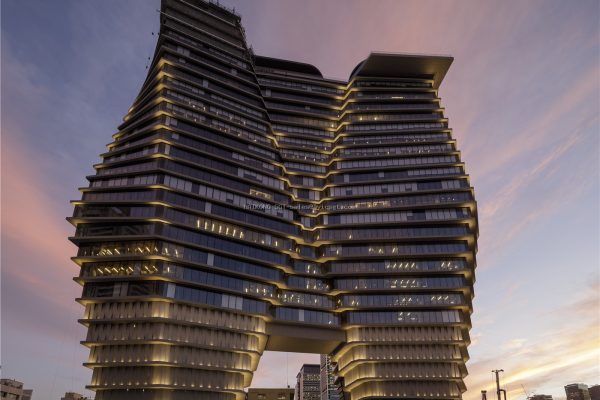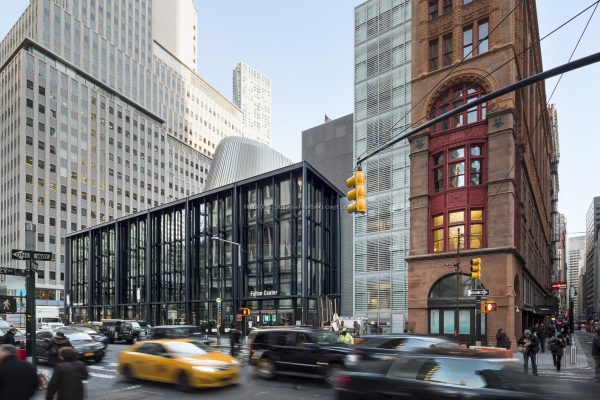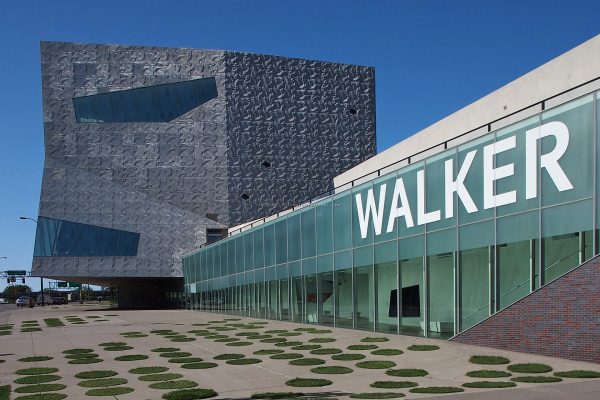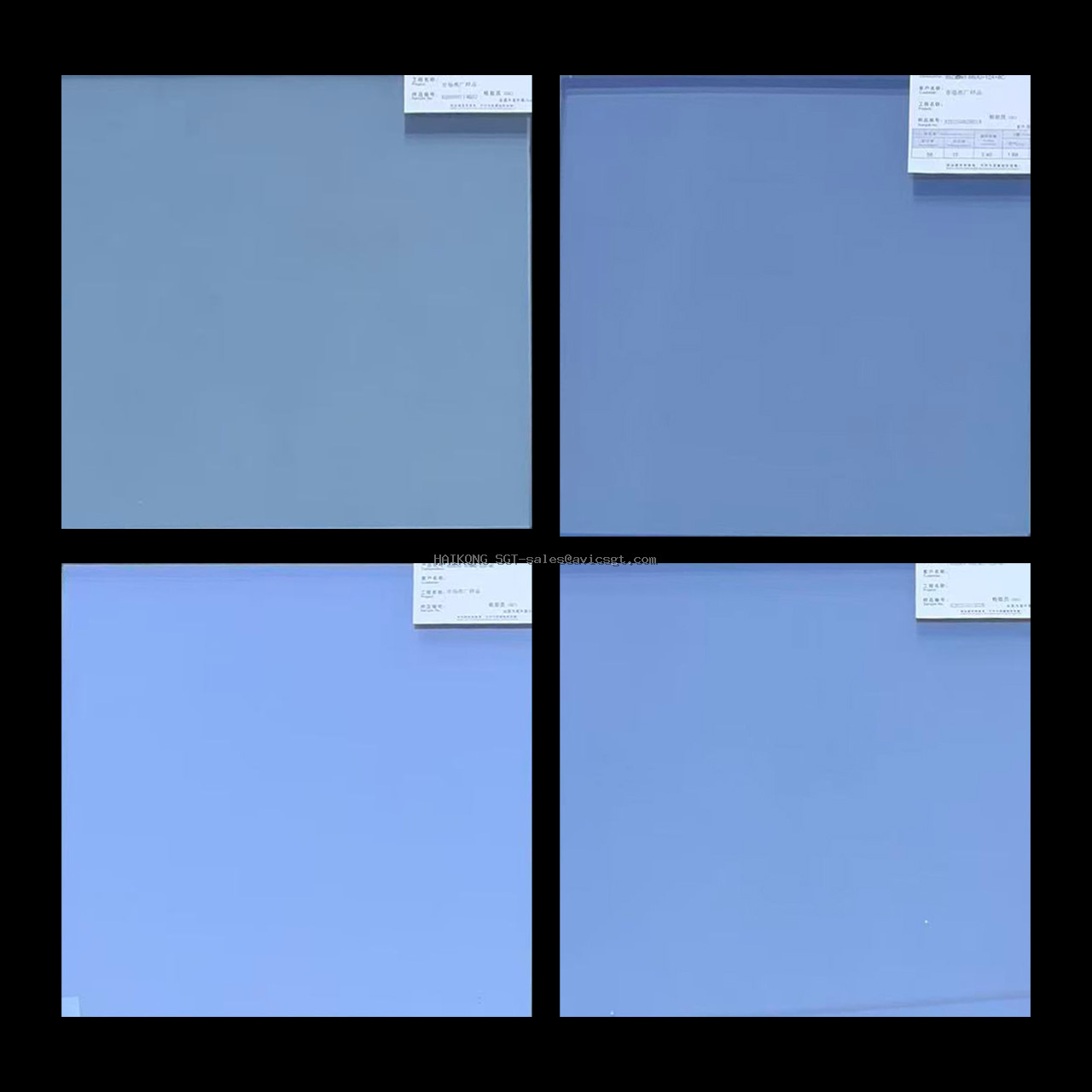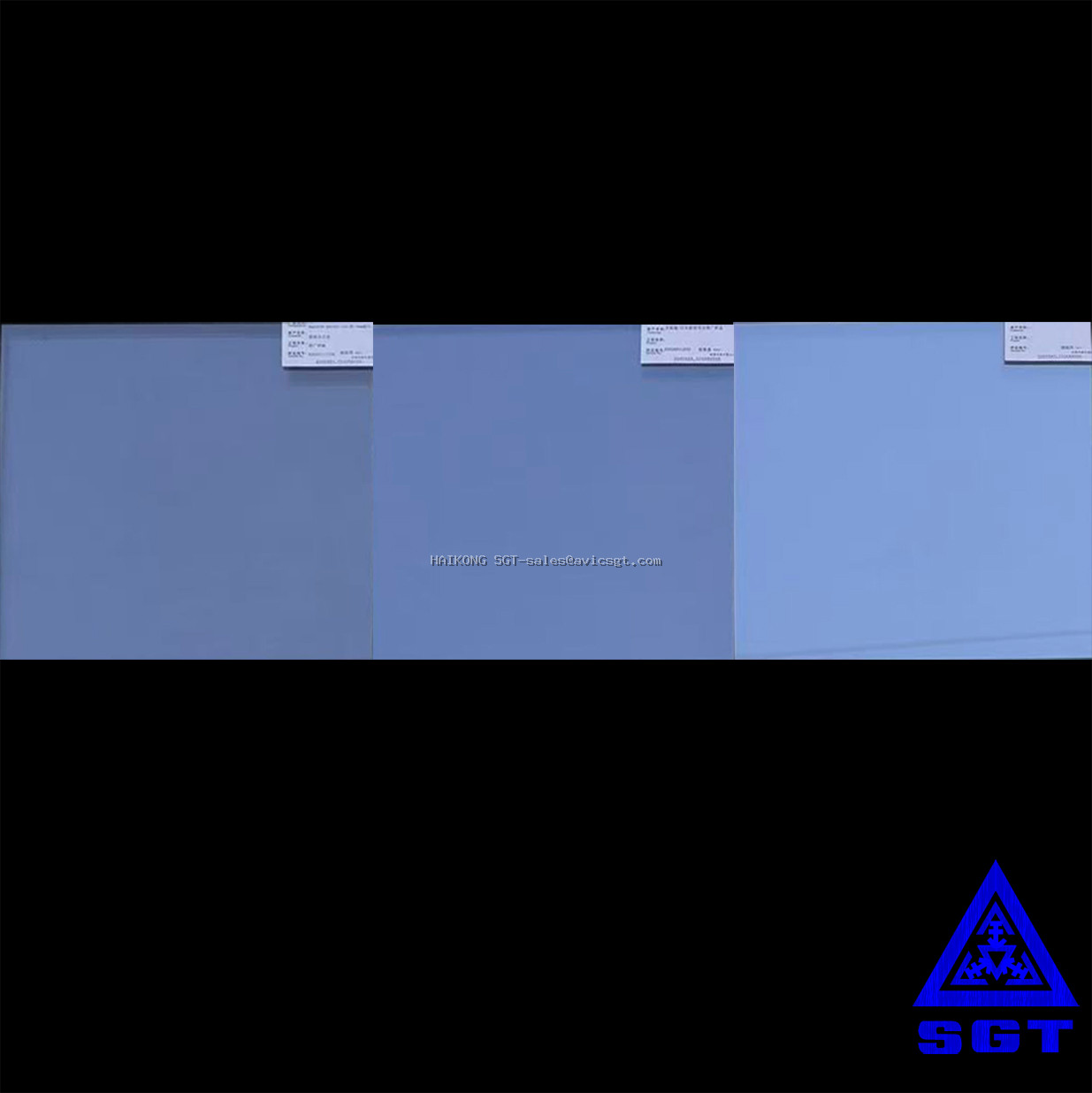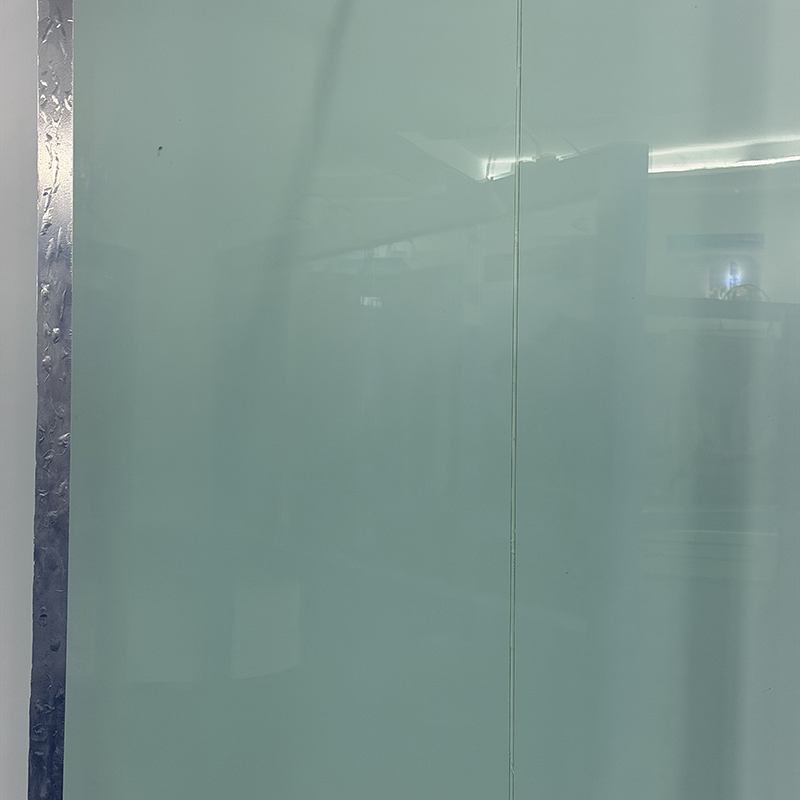
Modern architects face a difficult choice when selecting facade materials. Laminated glass vs tempered glass has become a critical discussion because buildings require both visual perfection and long-term safety. Fully tempered glass offers high strength, but many large-scale curtain walls experience optical distortion, roller waves, and potential spontaneous breakage risks.
For high-rise buildings, airports, hotels, and commercial complexes, you need glass that maintains a clean appearance while protecting occupants. HAIKONG SGT provides advanced architectural glass solutions, including heat-strengthened laminated glass and tempered laminated glass, designed for demanding global projects.
Why Laminated Glass vs Tempered Glass Matters in Modern Facades
Glass facade design requires more than strength. Architects must consider:
- Optical clarity and reflection quality
- Safety after glass breakage
- Long-term durability
- Compliance with international building standards
Traditional tempered glass achieves high mechanical strength through rapid cooling. However, this process creates higher internal stress, which may affect visual quality and increase the risk of spontaneous breakage caused by nickel sulfide (NiS) inclusions.
Heat-strengthened laminated glass uses a slower and more controlled cooling process. Although its strength is lower than fully tempered glass, its stress distribution creates different breakage behavior that can provide better safety performance in specific facade applications.
Heat-Strengthened vs Tempered Laminated Glass: Technical Comparison
When comparing laminated glass vs tempered glass, understanding the manufacturing differences is essential.
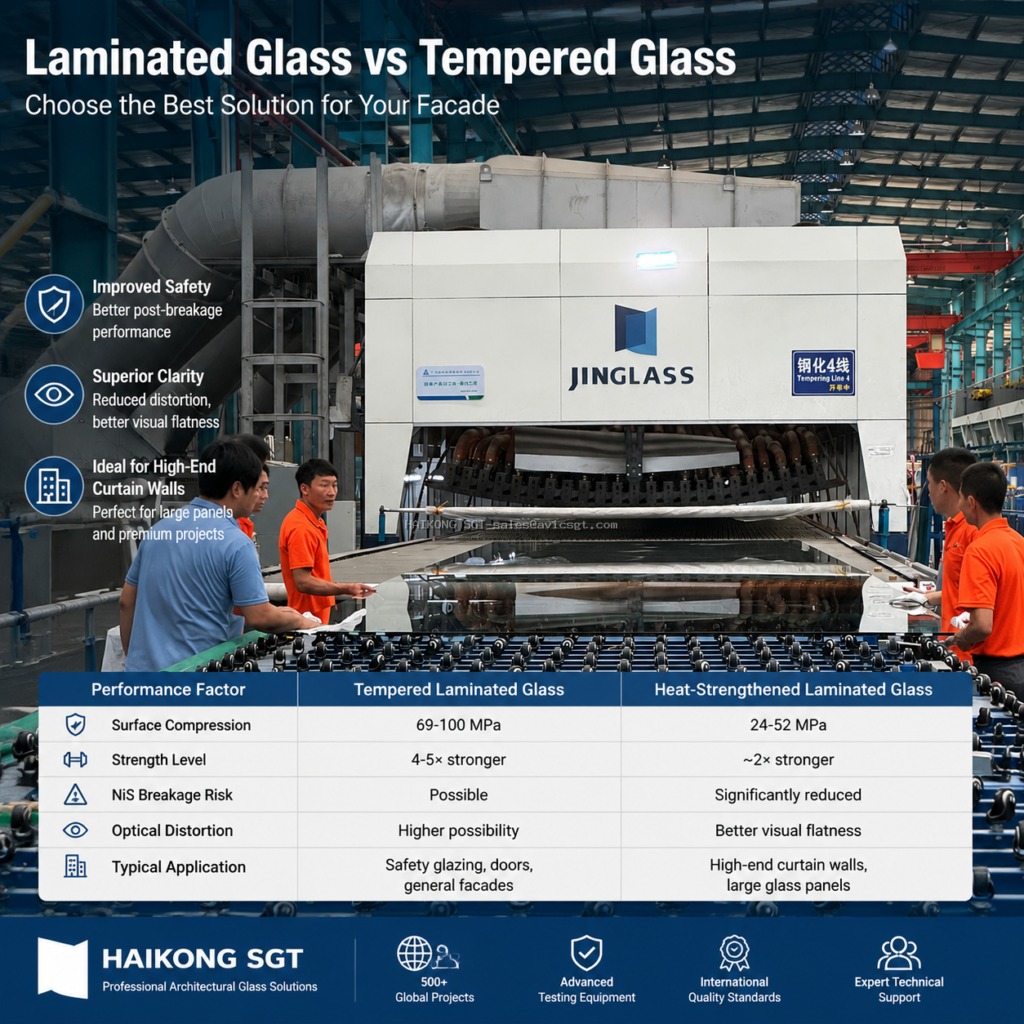
| Performance Factor | Tempered Laminated Glass | Heat-Strengthened Laminated Glass |
| Surface Compression | Usually 69-100 MPa | Approximately 24-52 MPa |
| Strength Level | Around 4-5 times stronger than normal glass | Around 2 times stronger than normal glass |
| Breakage Pattern | Small granular fragments | Larger cracked pieces with interlocking structure |
| NiS Spontaneous Breakage Risk | Possible | Significantly reduced |
| Optical Distortion | Higher possibility of roller waves | Better visual flatness |
| Typical Application | Safety glazing, doors, general facades | High-end curtain walls, large glass panels |
Why Heat-Strengthened Laminated Glass Can Improve Facade Safety
Many designers assume stronger glass always means safer glass. However, facade safety depends on how the glass behaves after damage.
1. Reduced Risk of Spontaneous Breakage
Fully tempered glass contains higher internal stress. If nickel sulfide particles exist inside the glass, delayed expansion may trigger unexpected breakage.
Heat-strengthened glass has lower surface compression, reducing the possibility of NiS-related spontaneous failure.
2. Better Post-Breakage Performance
The difference becomes obvious after breakage:
Tempered laminated glass:
- Breaks into thousands of small pieces
- Can lose structural stiffness after both layers fracture
- May create a sagging effect inside the laminate
Heat-strengthened laminated glass:
- Forms larger crack patterns
- Maintains mechanical connection between broken sections
- Helps prevent glass fall-out before replacement
This characteristic makes heat-strengthened laminated glass suitable for projects where safety and appearance are equally important.
How to Choose Between Tempered and Heat-Strengthened Laminated Glass
You can select the right glass solution by following these steps:
- Evaluate project requirements
- Building height
- Wind load conditions
- Safety regulations
- Visual expectations
- Analyze facade performance needs
- Large glass panels require better flatness
- High-traffic areas require reliable breakage behavior
- Select suitable glass structure
- Tempered laminated glass for applications requiring maximum strength
- Heat-strengthened laminated glass for premium facades requiring better optical performance
- Confirm supplier capability
- Check testing equipment
- Review project experience
- Verify quality certifications
HAIKONG SGT applies professional testing equipment, including Fourier Transform Infrared Spectrometer, Lambda 1050+ spectrophotometer, 60° angle optical tester, and CM700D portable color difference meter, to evaluate optical, thermal, and color performance.
Architectural Applications: When to Use Each Glass Type
Different projects require different solutions.
Tempered laminated glass is commonly used for:
- Shopping malls
- Public entrances
- Safety glazing areas
- Standard commercial buildings
Heat-strengthened laminated glass is preferred for:
- High-rise curtain walls
- Luxury hotels
- Premium office buildings
- Large-size architectural glazing projects
HAIKONG SGT has supported more than 500 global projects, providing architectural glass solutions for international markets including North America, Europe, Asia, and China.
FAQ
1. Is laminated glass stronger than tempered glass?
Not always. Tempered glass usually has higher mechanical strength, while laminated glass provides better safety because the interlayer holds broken glass together.
2. Why do architects choose heat-strengthened laminated glass?
Architects choose it when they need improved optical flatness, reduced spontaneous breakage risk, and better post-breakage stability.
3. Which glass is better for curtain walls?
For high-end curtain walls, heat-strengthened laminated glass is often considered when visual quality and safety are major priorities. The final choice depends on project loads, regulations, and design requirements.
Conclusion
Choosing between laminated glass vs tempered glass is not simply about selecting the strongest material. Modern facade projects require a balance between appearance, safety, and long-term performance.
By combining advanced manufacturing technology, professional testing capabilities, and decades of industry experience, HAIKONG SGT delivers reliable architectural laminated glass solutions for complex building projects worldwide. For architects and developers seeking better facade performance, heat-strengthened laminated glass provides a practical solution that connects visual clarity with structural safety.
CTA
Contact HAIKONG SGT for Your Architectural Glass Solution.Discuss your next curtain wall or commercial building project with HAIKONG SGT. Our technical team can help you select the right laminated glass configuration based on safety requirements, facade design, and international project standards.