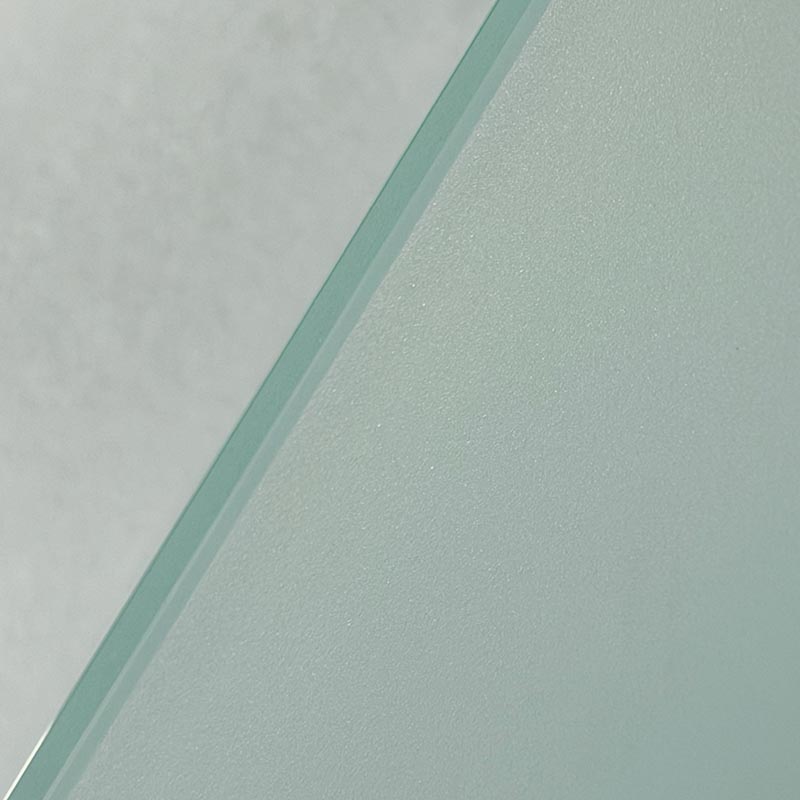
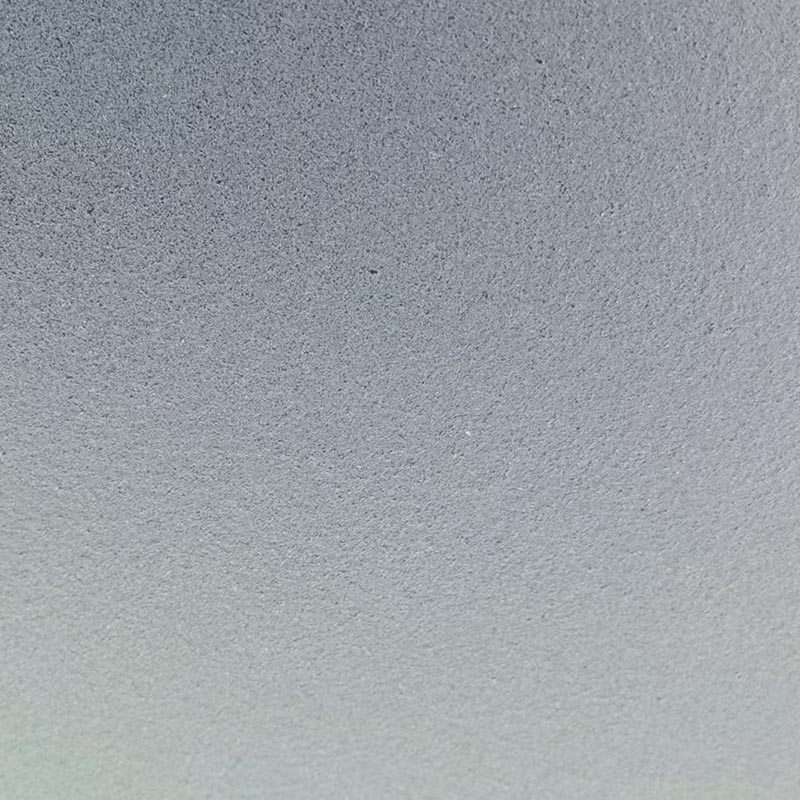
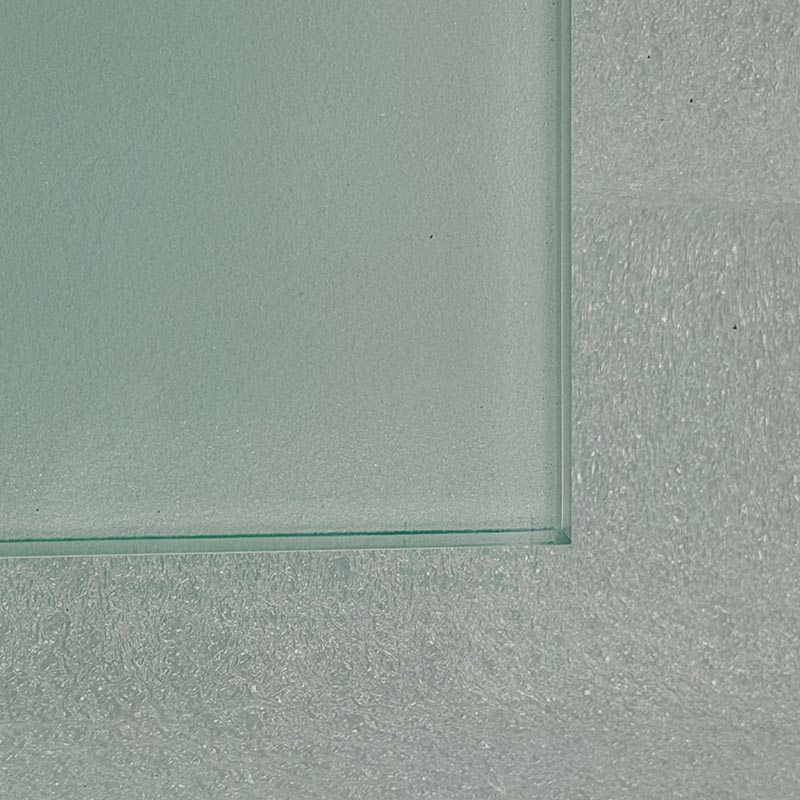
Frosted Glass
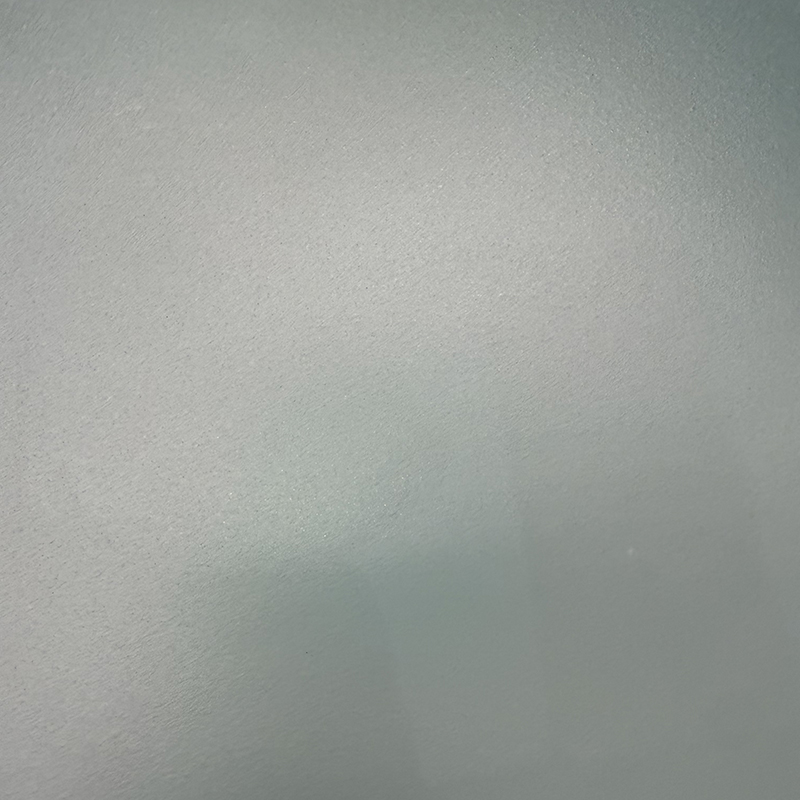
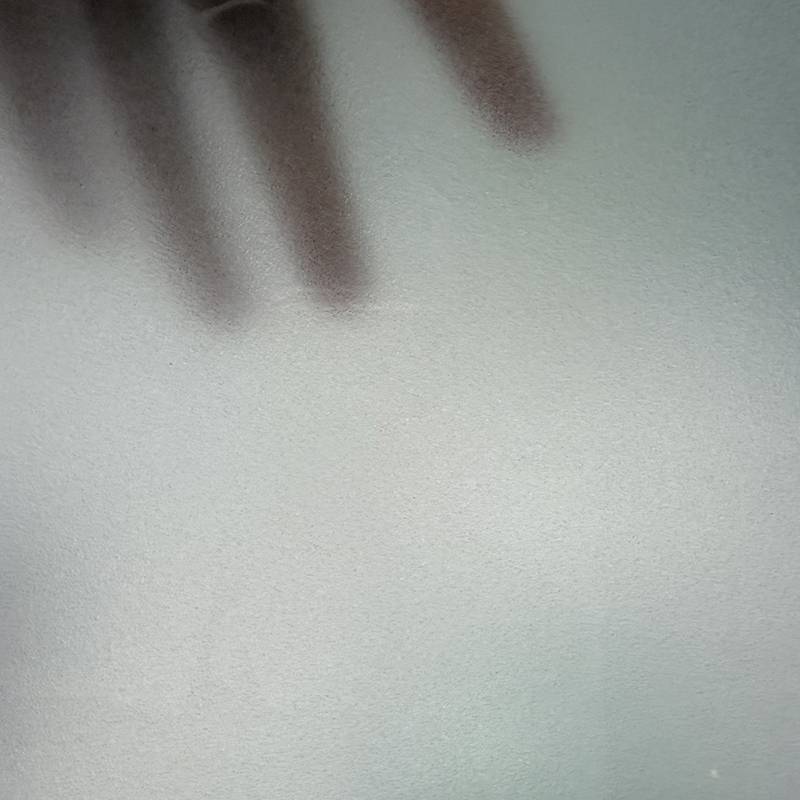
Frosted Glass is a kind of privacy and decorative glass with uniform rough surface produced by sandblasting, acid etching or frosting process.It diffuses light to achieve light transmission but see-through resistance, with soft and anti-glare appearance. It effectively protects privacy while maintaining indoor lighting, with delicate texture. It can be further processed into tempered, insulated, laminated glass, widely used in windows, doors, bathroom partitions, office partitions, decorative panels, etc.
PRODUCT DETAILS
| Parameter | Specification |
|---|---|
| Product | Frosted Glass (Sandblasted / Acid Etched) |
| Minimum Size (mm) | 300 × 300 |
| Maximum Size (mm) | 3300 × 12000 |
| Glass Thickness (mm) | 3 – 19 |
| Processing Methods | Sandblasted / Acid etched / Frosted finish |
| Visual Effect | Allows light transmission while providing privacy; soft light diffusion and anti-glare performance |
| Surface Finish | Uniform frosted appearance with fine matte texture |
| Further Processing | Available as tempered, insulating, laminated, ceramic fritted, or digital printed glass |
| Applications | Bathroom partitions, office partitions, windows, doors, decorative panels, and lighting areas |
PROCESSING ROUTE
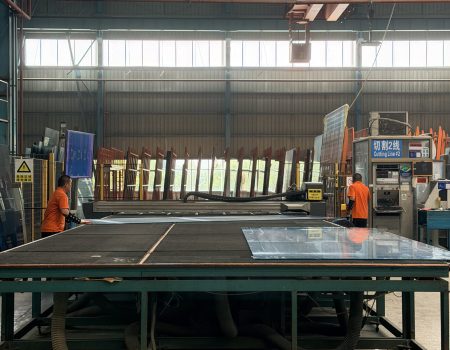
Cutting
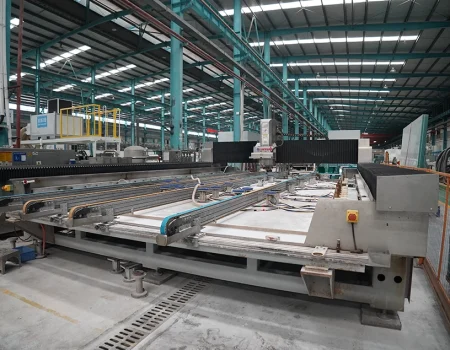
Edging
Frost
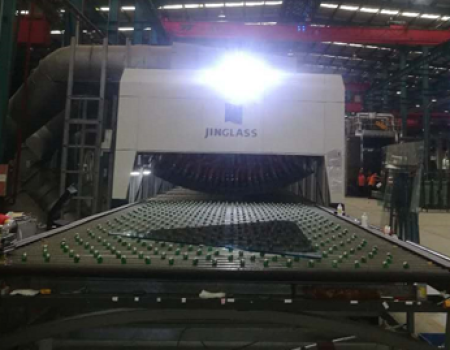
Tempering(optional)
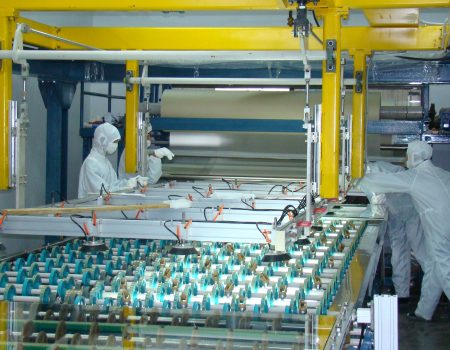
Laminating(optional)
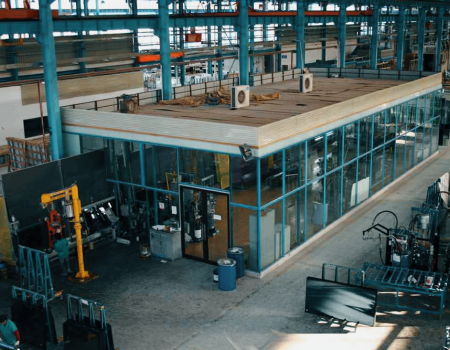
Insulating(Optional)
Frosted Glass: Privacy, Light Diffusion, and Architectural Applications
In contemporary architecture and interior design, the ability to balance natural light with visual privacy has become a defining challenge. Curtains and blinds block light. Clear glass offers transparency but no privacy. Frosted glass provides the ideal compromise: it allows daylight to flood a space while obscuring direct visibility, creating soft, diffused illumination that enhances both residential and commercial environments.
This comprehensive guide explores everything you need to know about frosted glass—from its definition and manufacturing methods to its advantages, limitations, technical specifications, and diverse architectural applications.
What Is Frosted Glass?
Frosted glass (also known as obscured glass, etched glass, satin glass, or ground glass) is a type of glass that has been treated to create a translucent surface, allowing light to pass through while preventing clear visibility of objects on the other side. Unlike clear glass, which provides full transparency, or solid walls, which block out light entirely, frosted glass achieves a “transparent but not see-through” effect that balances privacy with brightness.
The Science of Light Diffusion
The magic of frosted glass lies in its surface structure. When a clear glass surface is smooth, light rays pass through in parallel, enabling a clear image to reach the eye. However, when the glass surface is roughened or etched, light rays strike the uneven surface and scatter in multiple directions—a phenomenon known as diffuse reflection. Because the reflected light rays reach the retina as an incomplete, fragmented image, the viewer cannot see a clear picture of what lies beyond the glass.
This principle explains why frosted glass provides privacy while maintaining brightness: the same amount of light enters the space, but the image is blurred. As the Chinese saying describes it, frosted glass makes indoor light “soft and not dazzling.”
A Note on Terminology: Frosted Glass vs. Obscure Glass
It is important to distinguish between these two terms. Frosted glass refers specifically to glass with a uniform matte or satin finish created through surface treatment (acid etching or sandblasting). Obscure glass is a broader category that encompasses any glass designed to reduce visibility while transmitting light—including frosted glass, patterned glass, textured glass, ribbed glass, and tinted glass.
In other words: all frosted glass is obscure glass, but not all obscure glass is frosted. For applications requiring a smooth, uniform appearance with maximum privacy, frosted glass is the preferred choice.
How Is Frosted Glass Made?
There are two primary commercial methods for producing frosted glass, each with distinct characteristics, advantages, and ideal applications.
1. Acid-Etched Frosted Glass
Acid etching (also known as chemical etching) is a process that uses a chemical solution to dissolve the surface of the glass, creating a smooth, uniform frosted finish. The glass is immersed in a prepared acidic liquid (typically containing hydrofluoric acid at 1–2% concentration) or has an acidic paste applied to its surface.
The acid gradually corrodes the glass surface for a controlled duration—typically 1 second to 5 minutes, depending on the desired opacity. Meanwhile, ammonium bifluoride in the solution causes crystals to form on the glass surface, creating the characteristic hazy effect. When executed skillfully, the resulting surface is exceptionally smooth, with the hazy effect produced by crystalline scattering rather than mechanical abrasion.
Characteristics of acid-etched frosted glass:
Smooth, satin-like finish—more refined than sandblasted glass
Easier to clean—less prone to trapping fingerprints and smudges
Uniform opacity—ideal for large panels and high-use areas
More expensive and technically demanding—requires skilled craftsmanship; the process is more difficult to master
No rough texture—surface feels smooth to the touch
Acid-etched frosted glass is widely regarded as the premium option, often chosen for high-end residential and commercial applications where aesthetics and low maintenance are priorities. As industry sources note, consumers with higher demands “will probably choose acid-etched glass” due to its superior finish.
2. Sandblasted Frosted Glass
Sandblasting (also known as abrasive blasting) is a mechanical process that uses high-pressure air to propel fine abrasive particles (typically silica sand, aluminum oxide, or other grit materials) against the glass surface. The abrasive particles carve tiny pits into the glass, creating a rough, matte finish that scatters light.
Characteristics of sandblasted frosted glass:
Soft matte texture—cloudy, uniform appearance
Greater design flexibility—patterns, gradients, and custom designs can be easily created by masking areas before blasting
Higher opacity potential—can achieve up to 100% opacity with sufficient blasting
Rougher surface—more prone to fingerprints, smudges, and staining compared to acid-etched glass
More difficult to clean—the textured surface traps dirt and oils
Lower cost and wider availability—the process is less technically demanding and can be completed in most glass factories
The technical difficulty of sandblasting is considered “average,” making it more accessible for standard production volumes.
Side-by-Side Comparison: Acid-Etched vs. Sandblasted Frosted Glass
| Feature | Acid-Etched Frosted Glass | Sandblasted Frosted Glass |
|---|---|---|
| Surface finish | Smooth, satin-like | Rough, matte |
| Tactile feel | Smooth to the touch | Textured, slightly rough |
| Ease of cleaning | Easy—resists fingerprints | Difficult—traps dirt and oils |
| Opacity control | Precise, uniform | Wide range, including gradients |
| Design flexibility | Good—patterns possible with masking | Excellent—easy to create custom designs |
| Technical difficulty | High—requires skilled craftsmanship | Moderate—widely available |
| Cost | Higher | Lower |
| Best applications | High-use areas, premium interiors, large panels | Custom designs, logos, gradients, budget-conscious projects |
3. Alternative Methods: Frosted Window Film
For existing glass that cannot be replaced, frosted window film offers a cost-effective alternative. This poly-based plastic film can be applied to clear glass surfaces to replicate the appearance of frosted glass without the permanent surface treatment. While less durable and not suitable for exterior applications in harsh climates, it provides a flexible, removable solution for rental properties or temporary installations.
Advantages of Frosted Glass
Frosted glass offers a compelling combination of functional and aesthetic benefits that make it indispensable in modern architecture.
1. Privacy Without Light Loss
The primary advantage of frosted glass is its ability to provide visual privacy while allowing natural light to penetrate deep into interior spaces. Unlike curtains or blinds that block light entirely, frosted glass diffuses light, creating a soft, ambient glow that makes spaces feel open and inviting.
2. Soft, Diffused Lighting
The light-scattering property of frosted glass reduces harsh glare and eliminates “hot spots,” creating uniform illumination throughout a space. This makes frosted glass particularly valuable in office environments, healthcare facilities, and educational settings where comfortable, glare-free lighting supports productivity and well-being.
3. Modern Aesthetic Appeal
The clean, minimalist appearance of frosted glass complements contemporary architectural styles. Its uniform matte finish provides an elegant alternative to traditional window treatments, contributing to a professional, sophisticated atmosphere in commercial spaces and a serene, spa-like quality in residential bathrooms.
4. Design Versatility
Frosted glass can be customized with patterns, logos, gradients, and digital prints. It can also be combined with other glass types—clear, colored, or textured—to create unique and personalized designs.
5. Safety Glass Compatibility
Frosted glass can be produced using tempered glass as the base material, resulting in tempered frosted glass that combines privacy with the safety properties of fully tempered glass. When broken, tempered frosted glass shatters into small, blunt pieces, significantly reducing injury risk.
6. Durability
When properly manufactured, the frosted finish is permanent—it will not peel, fade, or wash away over time. For acid-etched glass, the treatment penetrates the glass surface, creating a lasting effect that requires no ongoing maintenance.
7. UV Protection
Certain configurations of frosted glass, particularly laminated frosted glass, can block up to 99% of harmful ultraviolet radiation, protecting interior furnishings, artwork, and merchandise from fading and UV damage.
8. Acoustic Benefits
Frosted glass partitions and windows can contribute to sound attenuation, particularly when combined with laminated or double-glazed configurations. The multiple layers and sealed airspaces help reduce noise transmission between spaces.
Limitations of Frosted Glass
No product is without constraints, and understanding the limitations of frosted glass is essential for proper specification.
1. Permanent Finish (Cannot Be Reversed)
Unlike window film, the frosted finish on glass created through acid etching or sandblasting is permanent. Once treated, the glass cannot be restored to its original clear state without replacing the entire panel.
2. Reduced Light Transmission
While frosted glass transmits light, it does so at reduced levels compared to clear glass. Typical light transmission ranges from 50% to 90% depending on the degree of frosting and the specific product. For applications requiring maximum brightness, lower-opacity frosted glass should be selected.
3. Maintenance Challenges (Sandblasted Only)
Sandblasted frosted glass has a rougher surface that can trap fingerprints, dirt, and oils, making it more difficult to keep clean than smooth, acid-etched glass.
4. Higher Cost for Premium Options
Acid-etched frosted glass commands a premium price due to the specialized equipment, hazardous materials, and skilled labor required. For large-scale projects, this cost difference can be significant.
5. Not Suitable for All Exterior Applications
While frosted glass can be used in exterior applications, the frosted surface may be more susceptible to weathering, staining, or damage from harsh cleaning chemicals in some climates. For exterior use, tempered frosted glass or laminated frosted glass is recommended.
Technical Specifications
For architects and specifiers, understanding the technical parameters of frosted glass is essential for project planning.
| Parameter | Typical Range / Notes |
|---|---|
| Light transmission (VLT) | 30–90% (higher for low-iron base glass) |
| Haze value | 60–95% (higher = more obscurity) |
| Thickness | 3 mm to 19 mm (tempered or annealed) |
| Maximum panel size | Up to 16′ × 7.3′ (approximately 4.9m × 2.2m) depending on manufacturer |
| Surface roughness (Ra) | 32–128 microinches |
| Mohs hardness | 6–7 (scratch-resistant) |
| Base glass types | Clear float, low-iron (ultra-clear), tinted, patterned |
| Safety options | Tempered, laminated, heat-strengthened |
| Standards compliance | EN 12150-1, ASTM C1048, ANSI Z97.1, EN 572, ASTM C1036 |
Note: Light transmission values vary significantly based on glass thickness, base glass type, and frosting intensity. Always consult manufacturer specifications for project-specific data.
Frosted Glass vs. Textured Glass vs. Patterned Glass
To make informed specifications, it is essential to understand how frosted glass compares to other privacy glass options.
| Glass Type | Finish | Privacy Level | Light Diffusion | Best Applications |
|---|---|---|---|---|
| Frosted Glass (Acid-Etched) | Smooth, uniform | High | Excellent | Office partitions, bathrooms, high-use areas |
| Frosted Glass (Sandblasted) | Matte, slightly rough | High | Good | Custom designs, logos, budget projects |
| Textured Glass | Patterned surface (ribbed, fluted, rain) | Medium-High | Good | Cabinet doors, entryways, decorative partitions |
| Patterned Glass | Embossed designs (geometric, floral) | Medium | Moderate | Feature windows, room dividers, heritage applications |
Applications of Frosted Glass in Architecture and Design
The versatility of frosted glass makes it suitable for a wide range of residential, commercial, and institutional applications.
Residential Applications
| Application | Why Frosted Glass |
|---|---|
| Bathroom windows and shower enclosures | Maximum privacy without sacrificing natural light; the most common residential application |
| Interior doors and room dividers | Creates separation between living spaces while maintaining an open, airy feel |
| Kitchen cabinet inserts | Hides contents while adding a clean, modern aesthetic |
| Bedroom windows (street-facing) | Privacy from neighbors while allowing daylight |
| Front door side panels | Obscures visibility into entryways while brightening foyers |
Commercial Applications
| Application | Why Frosted Glass |
|---|---|
| Office partitions and meeting rooms | Creates private zones for confidential meetings while allowing natural light to flow throughout the workspace |
| Conference room walls | Provides visual privacy without the closed-in feeling of solid walls |
| Executive offices and HR areas | Balances confidentiality with an open, professional atmosphere |
| Retail storefronts and displays | Customizable with logos, graphics, or patterns for branded shopfronts and product displays |
| Healthcare facilities | Maintains patient privacy in consultation and treatment rooms while keeping spaces bright and welcoming |
| Hotels and restaurants | Creates a sense of luxury and intimacy; used for dividing dining areas, semi-private booths, and lobby features |
| Gyms and leisure spaces | Separates workout zones while maintaining an open, light-filled environment |
Institutional Applications
| Application | Why Frosted Glass |
|---|---|
| Schools and universities | Classroom partitions and office windows that provide supervision visibility with partial privacy |
| Libraries | Study carrel partitions that reduce visual distraction while maintaining light |
| Government buildings | Reception areas and office fronts that balance security with transparency |
Specialty Applications
| Application | Why Frosted Glass |
|---|---|
| Glass ceilings and skylights | Diffuses harsh direct sunlight into soft, even illumination; used in atriums and interior spaces where glare reduction is needed |
| Museum and gallery glazing | UV-protective frosted glass for light-sensitive exhibits |
| Backlit wall panels | Creates dramatic, evenly illuminated feature walls |
| Glass furniture | Table tops and shelving with a sophisticated matte finish |
Emerging Trends: Frosted Glass in 2025 and Beyond
The frosted glass market continues to evolve, driven by design innovation and technological advancement. Key trends include:
Digital customization: Frosted glass now comes with digital printing options—etched patterns, logos, and custom graphics—enabling unprecedented design flexibility
Combined technologies: Frosted glass integrated with smart glass (switchable privacy) allows dynamic control between clear and frosted states
Sustainable manufacturing: Eco-friendly frosted glass produced using recycled materials and energy-efficient processes
Textured hybrids: Frosted finishes combined with ribbed, fluted, or wave patterns for enhanced visual depth and light diffusion
Conclusion
Frosted glass has evolved from a simple bathroom privacy solution into a versatile architectural material that shapes how we experience light and space. Its ability to provide visual privacy while maintaining natural illumination makes it indispensable in modern design—from residential bathrooms and office partitions to healthcare facilities and luxury hotels.
Understanding the distinction between acid-etched and sandblasted frosted glass enables specifiers to select the right product for each application: smooth, low-maintenance acid-etched glass for high-use areas and premium interiors; flexible, cost-effective sandblasted glass for custom designs and budget-conscious projects.
When combined with safety glass technologies—tempering, lamination, or insulating glass units—frosted glass delivers not only aesthetic excellence but also the durability and safety required for demanding architectural applications.
Whether you are designing a spa-like bathroom, an open-plan office, or a retail flagship store, frosted glass offers the elegant balance of light and privacy that defines contemporary space.
DEEP PROCESSING GLASS
Customized, Reliable and High-Performance for Global Projects
Deep-processed glass integrates safety, energy saving, sound insulation, aesthetics and multi-functional pro-tection. Through precise technologies including tempering, laminating insulating, heat bending, ceramic friting,digital printing, bird-safe, frosted and bulletproof processing, it greatly improves glass strength, thermal perfor-mance ond safety. It mects the multiple demands of modern architecture for high-end customization, greenenergy saving, safety, reliability and artistic aesthetics, and is widely used in lancmark facades, commercialspaces, high-end residences and special security scenarios.
INDUSTRYIENGINEERING CASES
Strength, Safety and Aesthetics in Every Piece
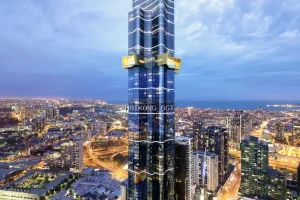
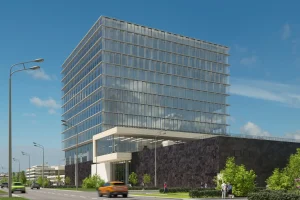
PRODUCT USED:
Heat-Bent Laminated Glass