

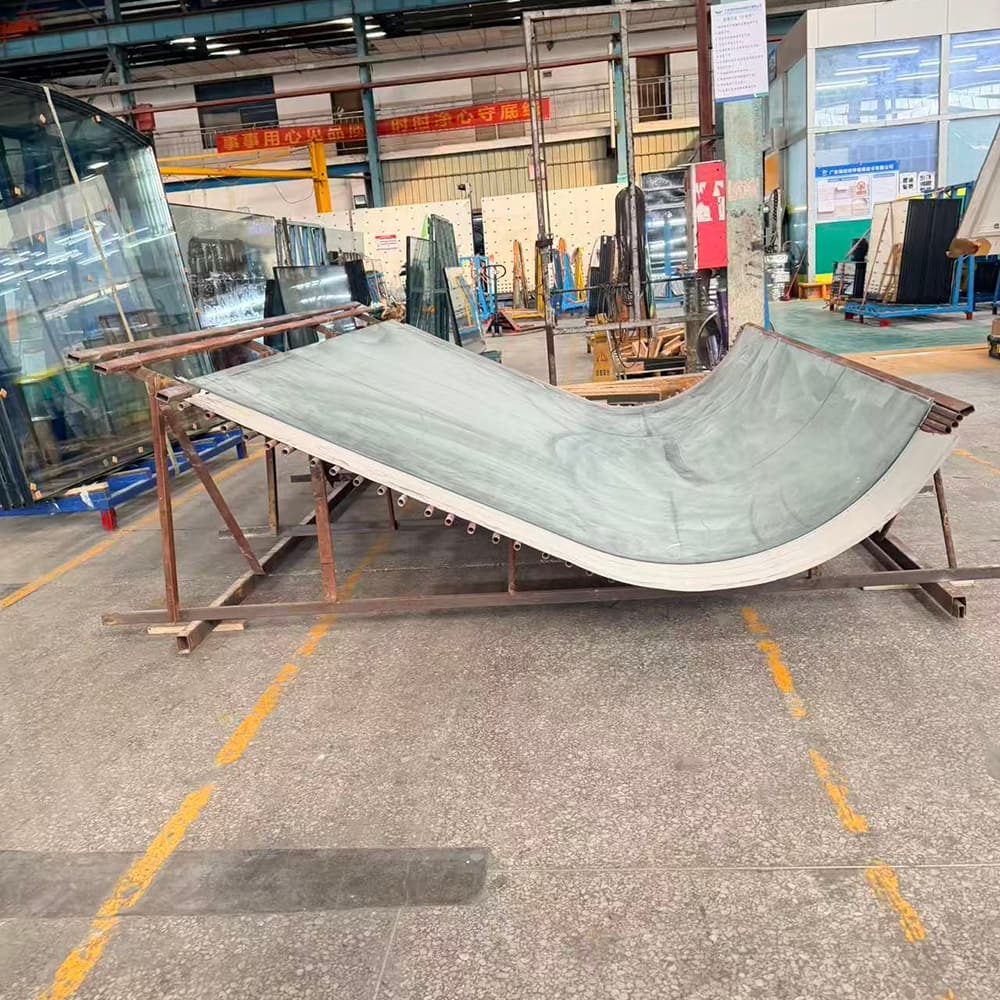
Heat Bent Laminated Glass
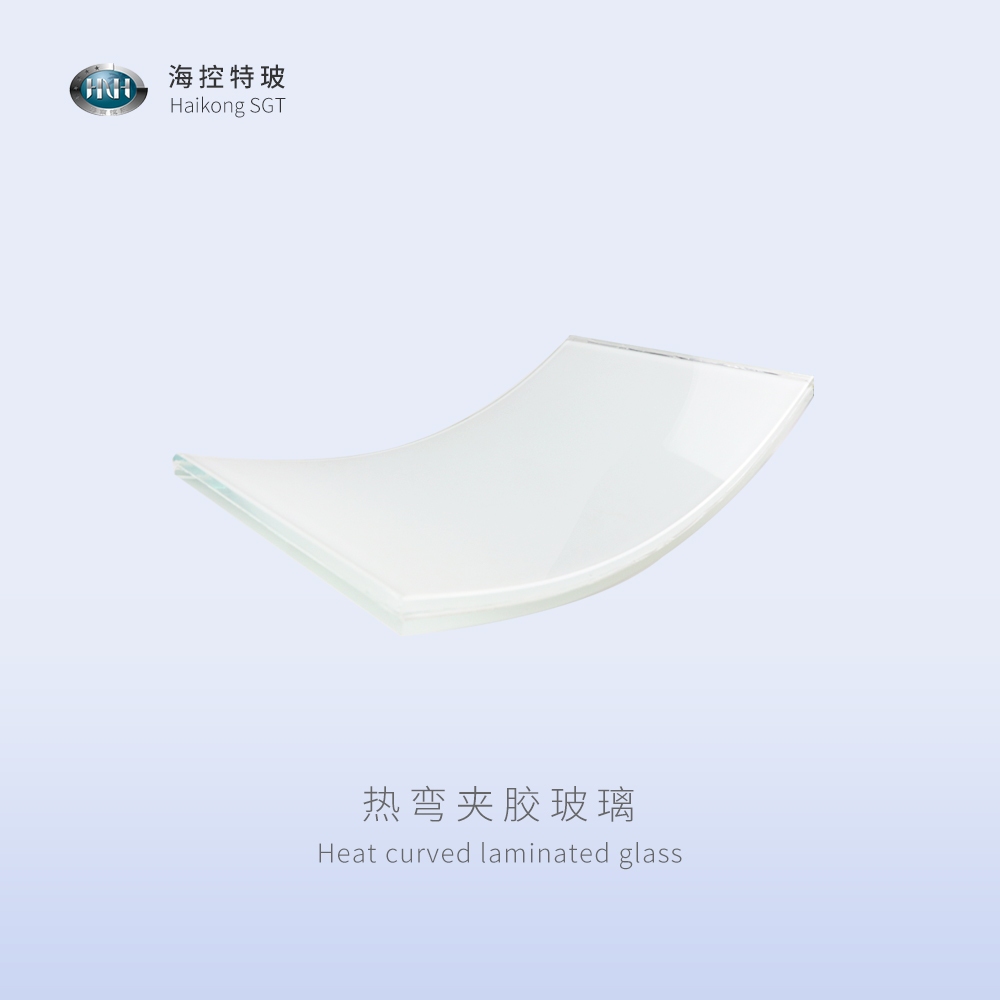
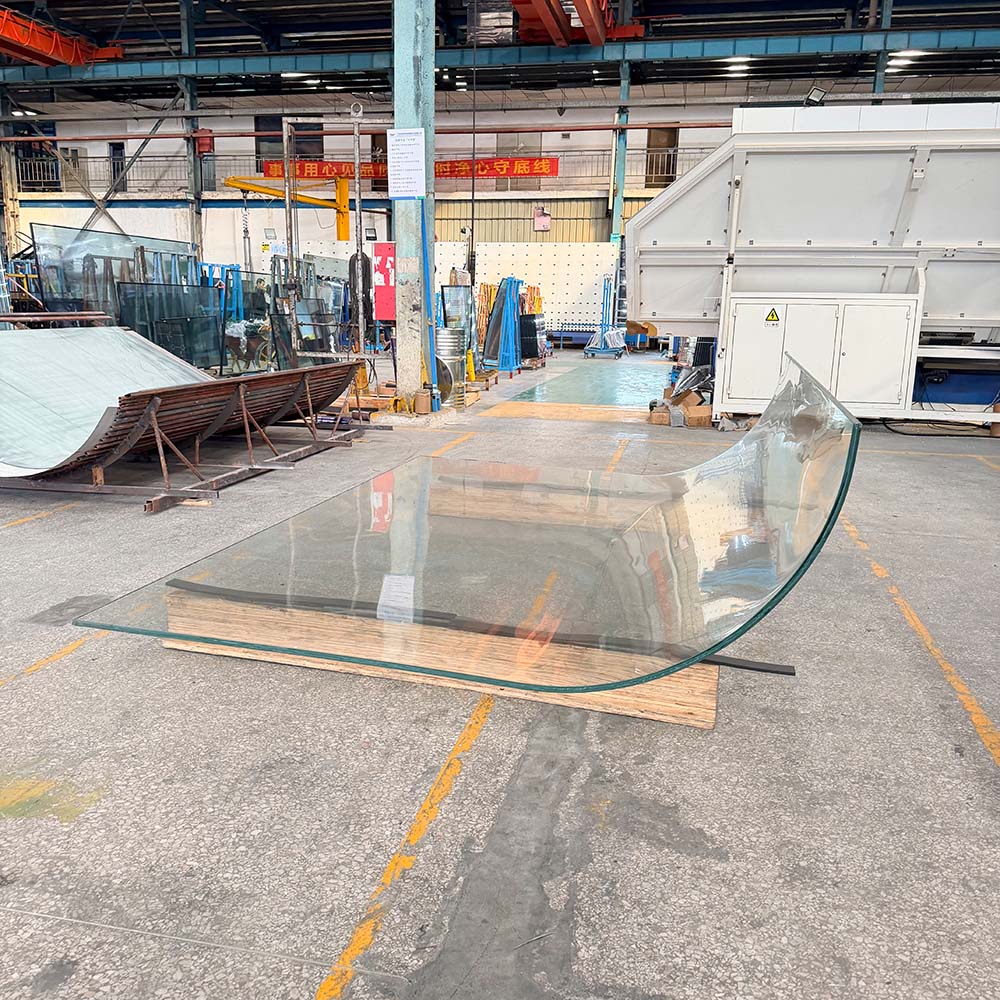
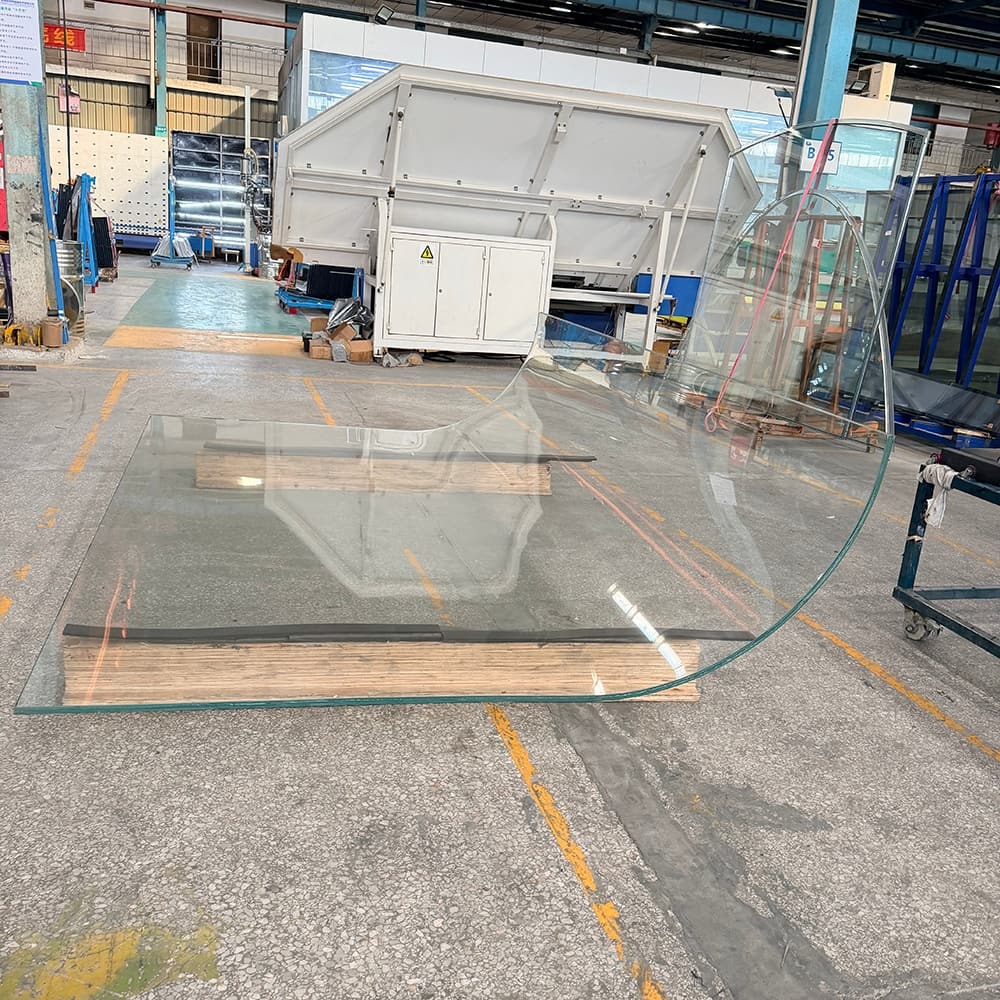
Heat Bent Laminated Glass is a specialized safety glass formed by first heating flat glass to bend it into custom curved shapes, then laminating it with PVB/EVA interlayers. It combines the aesthetic versatility of curved glass with the safety benefits of laminated glass, making it ideal for high-end building facades, curved railings, skylights, automotive sunroofs, and interior design. Key advantages include: shards adhering to the interlayer upon breakage, excellent sound insulation, impact resistance, and UV protection, delivering both beauty and performance.
Customizable.
PRODUCT DETAILS
| Parameter | Specification |
|---|---|
| Maximum Size | 3300 mm × 18000 mm |
| Thickness Range | 6 – 80 mm |
| Minimum Size | No explicit limit, customizable based on mold design (subject to lamination process compatibility) |
PROCESSING ROUTE
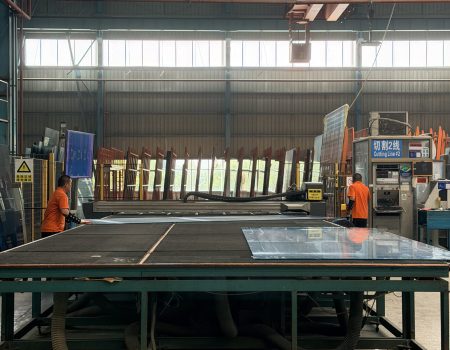
Cutting
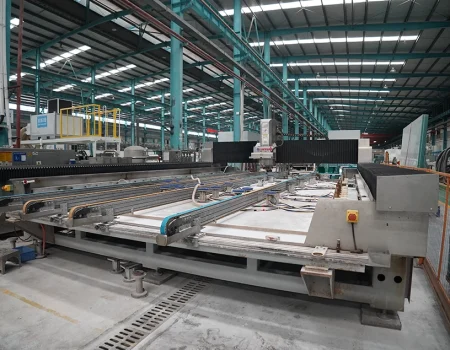
Edging
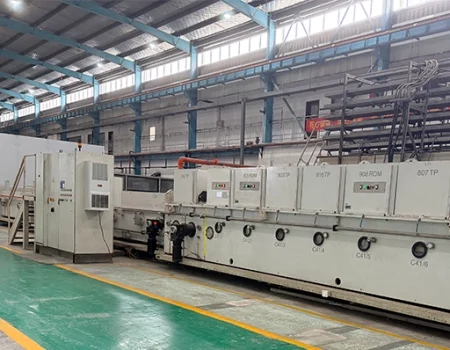
Coating
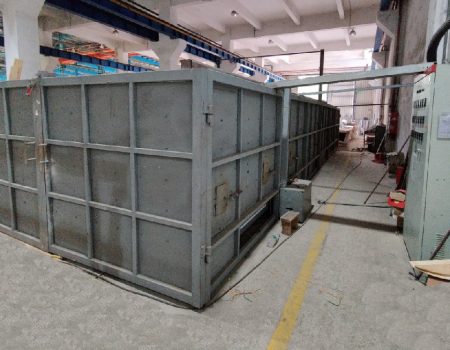
Heat Bending
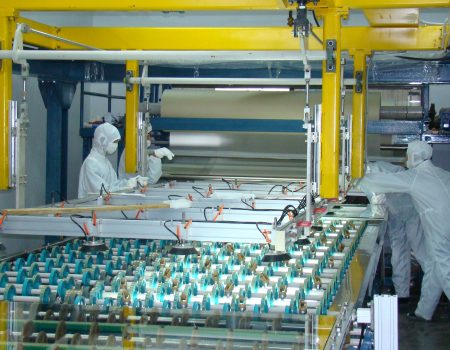
Laminating(optional)
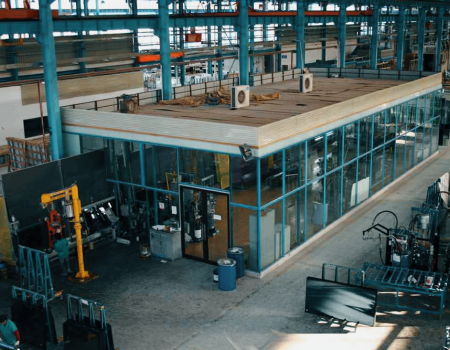
Insulating(optional)
Heat Bent Laminated Glass: Curved Safety Glass for Architecture
In modern architecture, curved glass transforms building envelopes from flat planes into flowing, sculptural forms. However, curvature alone is not enough. When glass is used in canopies, railings, skylights, or facades, safety becomes non-negotiable.
Therefore, heat bent laminated glass delivers both design freedom and safety performance. It combines custom curved glass with post-breakage integrity. As a result, architects can achieve both aesthetics and safety in a single material system.
Whether a project requires a sweeping entrance canopy, a frameless curved balustrade, or a dramatic skylight, this material makes it possible while maintaining safety.
What Is Heat Bent Laminated Glass?
Heat bent laminated glass is a safety glass product. Manufacturers bond two or more layers of heat-bent glass using a durable interlayer, typically PVB (polyvinyl butyral) or SGP (SentryGlas® / ionoplast).
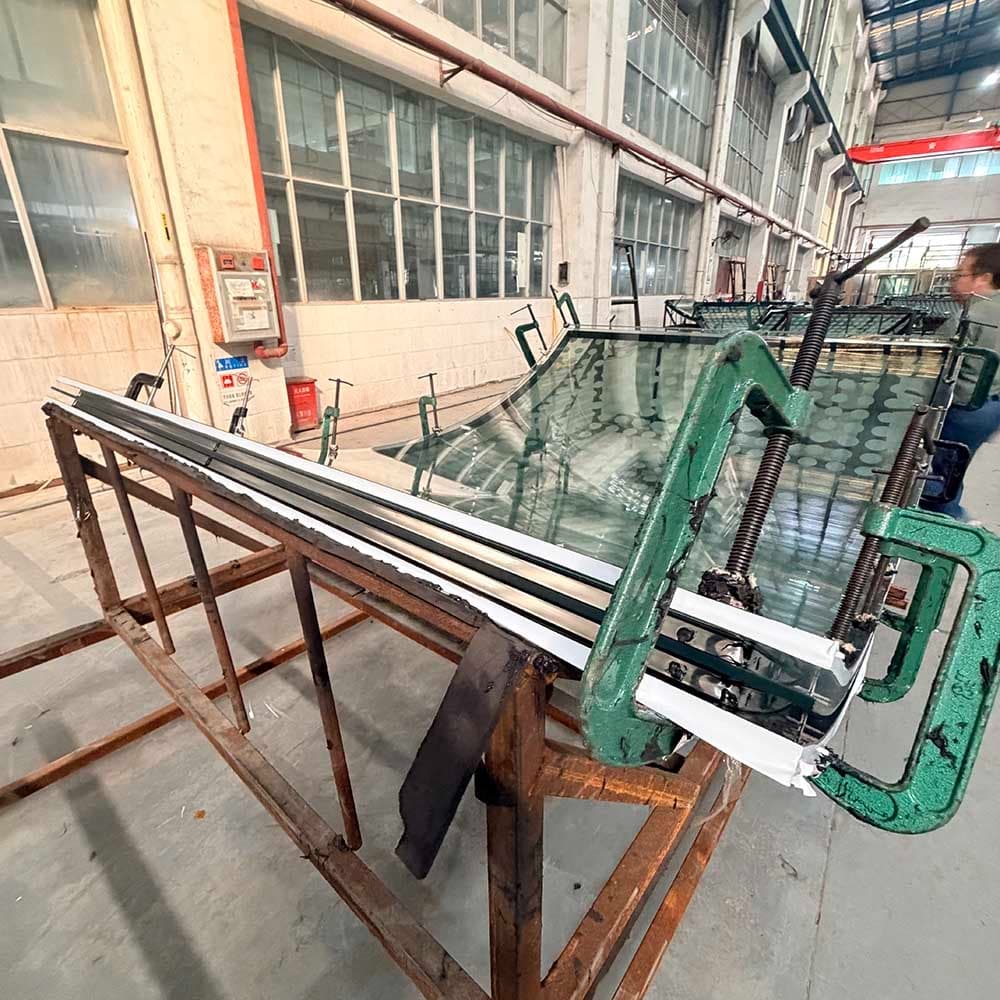
First, manufacturers heat the glass to approximately 580–620°C. At this stage, the glass becomes pliable. They then shape it over a mold to create the required curve. After forming, the glass cools slowly to remove internal stress.
Next, technicians assemble the bent glass layers with the interlayer. Finally, they bond the unit under high heat and pressure in an autoclave.
As a result, the final curved laminated glass holds fragments in place after breakage. It does not allow glass to fall freely.
Unlike bent tempered glass, laminated glass achieves safety through the interlayer. Therefore, it provides better protection in overhead and elevated applications.
The Manufacturing Process
Producing heat bent laminated glass requires precise control at every stage.
1. Glass Bending
First, manufacturers cut flat glass to final dimensions. They complete all holes, notches, and edge finishing before bending.
Then, they heat the glass in a bending furnace. The temperature reaches the softening point. After that, the glass is shaped over a concave mold using gravity or mechanical pressure.
Finally, the glass undergoes controlled annealing. This step reduces internal stress.
2. Interlayer Placement
Next, technicians place a PVB or SGP interlayer between the bent glass sheets.
The interlayer thickness typically ranges from 0.76 mm to 1.52 mm. Engineers select thickness based on load and safety requirements.
3. Autoclave Bonding
After assembly, manufacturers place the glass unit into an autoclave.
They apply approximately 140°C temperature and 12–14 bar pressure.
As a result, the interlayer bonds permanently with the glass. The unit becomes a single structural component.
PVB vs SGP Interlayers
The interlayer determines overall performance. Therefore, selecting the correct material is critical.
| Property | PVB | SGP |
|---|---|---|
| Strength | Standard (~20 MPa) | High (~34.5 MPa) |
| Rigidity | Flexible | 50× stiffer |
| Tear resistance | Moderate | 3–5× higher |
| Load capacity | Medium | Very high |
| UV protection | 99.5% | 99.5% |
| Cost | Lower | Higher |
When to Use PVB
Use PVB when standard safety and UV protection are required. In addition, PVB provides excellent acoustic insulation. Therefore, it is suitable for general architectural glazing.
When to Use SGP
Use SGP for structural or high-load applications. For example, canopies, balustrades, and hurricane zones.
As a result of its stiffness, SGP maintains integrity even after breakage. Therefore, it is preferred for safety-critical installations.
Why Specify Heat Bent Laminated Glass?
Architects choose heat bent laminated glass for four main reasons.
1. Curved Aesthetics with Safety
It enables complex curved geometries. However, it still meets safety glazing requirements.
Therefore, it performs better than monolithic bent tempered glass in complex designs.
2. Post-Breakage Integrity
Laminated construction retains broken fragments.
As a result, glass does not fall freely after breakage. This is essential for overhead glazing.
3. Forced Entry Resistance
The interlayer resists penetration.
Therefore, laminated glass provides higher security than monolithic glass.
4. UV Protection and Acoustic Insulation
PVB blocks 99.5% of UV radiation.
In addition, laminated glass reduces noise transmission. As a result, it improves indoor comfort in urban environments.
Architectural Applications
Heat bent laminated glass is widely used in modern architecture.
- Canopies and skylights: Prevents glass fallout after breakage
- Curved balustrades: Provides safe frameless railing systems
- Curtain walls: Creates flowing building envelopes
- Atrium glazing: Enables large curved daylight structures
- Glass floors: SGP provides structural load support
- Museum displays: Protects artifacts from UV and impact
Customization Capabilities
We provide heat bent laminated glass in multiple configurations.
| Parameter | Capability |
|---|---|
| Glass thickness | 3 mm – 19 mm |
| Interlayers | PVB, SGP, acoustic PVB |
| Interlayer thickness | 0.38 – 2.28 mm |
| Curvature | Single or double axis |
| Minimum radius | R ≥ 300 mm |
| Maximum size | 3300 × 10500 mm |
| Glass types | Clear, low-iron, tinted, Low-E |
| Processing | Tempering, printing, IGU assembly |
Conclusion
Heat bent laminated glass bridges architectural design and safety engineering.
Therefore, it allows designers to create curved forms without compromising safety or durability.
Whether the project involves canopies, facades, or structural glazing, this material delivers both aesthetics and protection.
Finally, manufacturers can customize solutions for complex geometries and high-performance requirements.
DEEP PROCESSING GLASS
Customized, Reliable and High-Performance for Global Projects
Deep-processed glass integrates safety, energy saving, sound insulation, aesthetics and multi-functional pro-tection. Through precise technologies including tempering, laminating insulating, heat bending, ceramic friting,digital printing, bird-safe, frosted and bulletproof processing, it greatly improves glass strength, thermal perfor-mance ond safety. It mects the multiple demands of modern architecture for high-end customization, greenenergy saving, safety, reliability and artistic aesthetics, and is widely used in lancmark facades, commercialspaces, high-end residences and special security scenarios.
INDUSTRYIENGINEERING CASES
Strength, Safety and Aesthetics in Every Piece
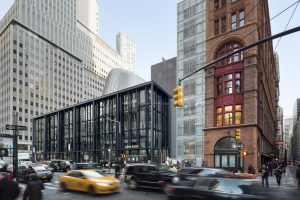
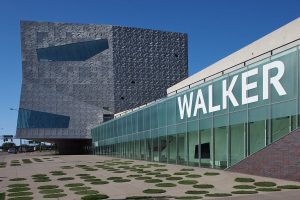
PRODUCT USED:
Low-e tempered laminated and insulated glass