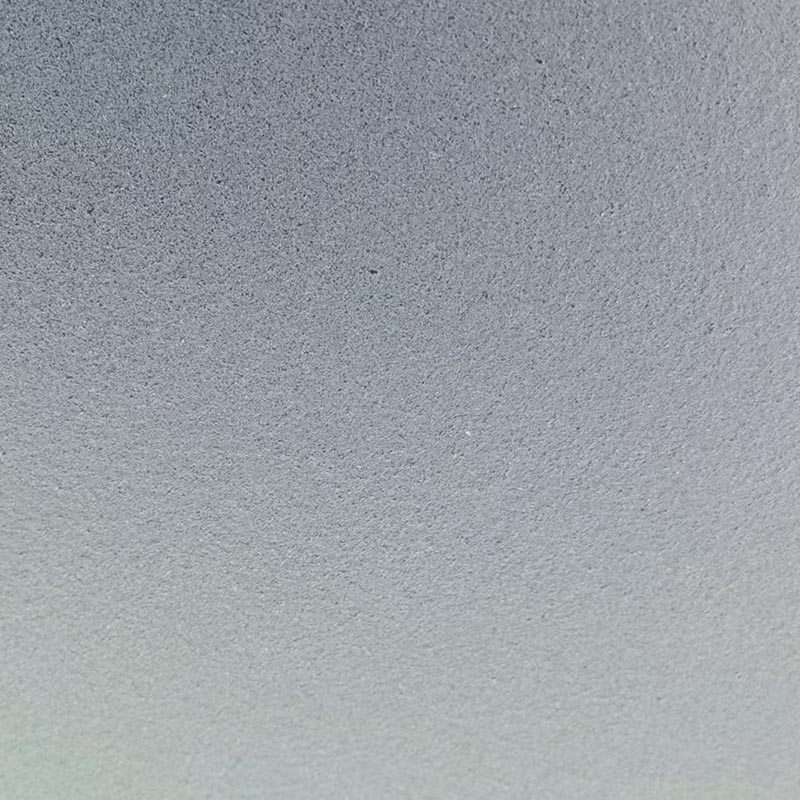
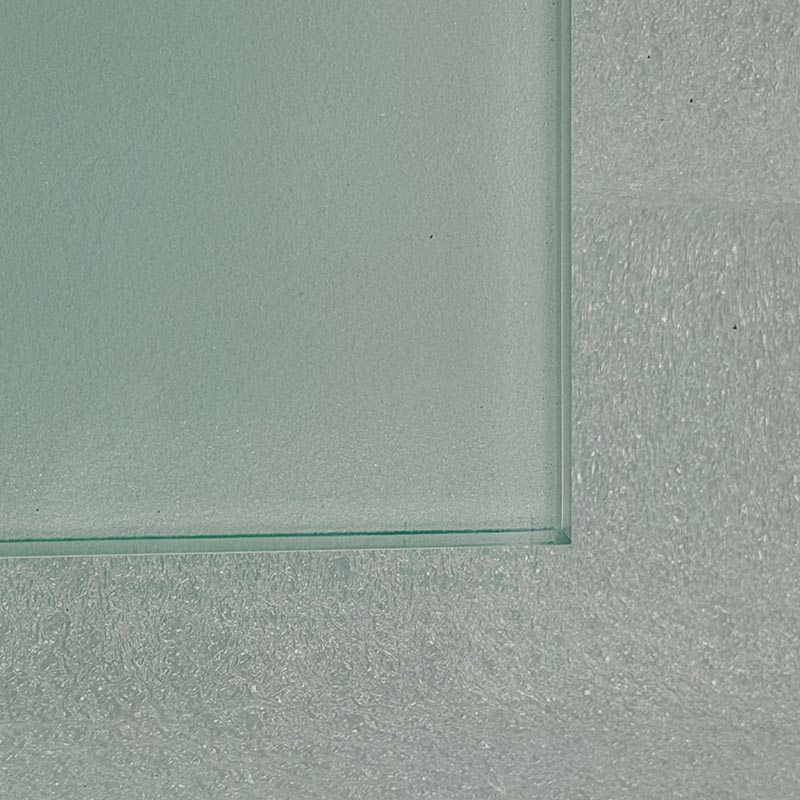
PRODUCT DETAILS
| Parameter | Specification |
|---|---|
| Product | Frosted Glass (Sandblasted / Acid Etched) |
| Minimum Size (mm) | 300 × 300 |
| Maximum Size (mm) | 3300 × 12000 |
| Glass Thickness (mm) | 3 – 19 |
| Processing Methods | Sandblasted / Acid etched / Frosted finish |
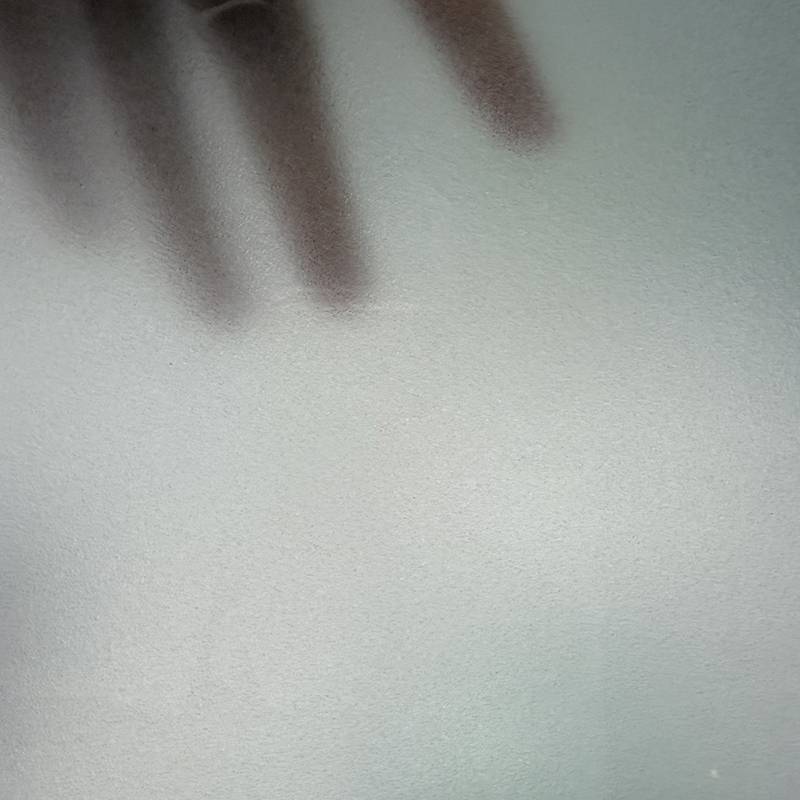
| Visual Effect | Allows light transmission while providing privacy; soft light diffusion and anti-glare performance |
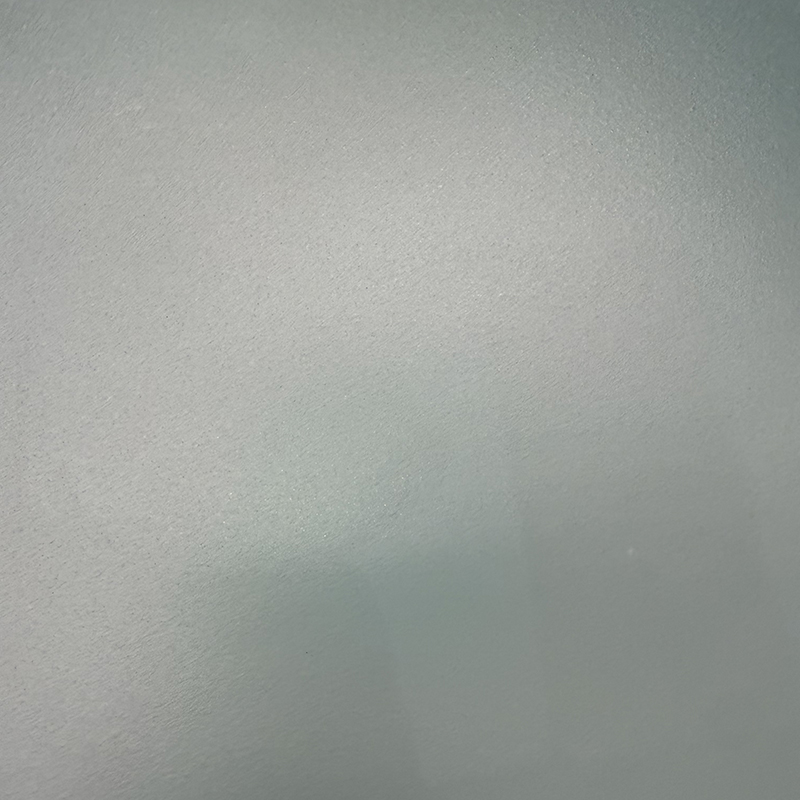
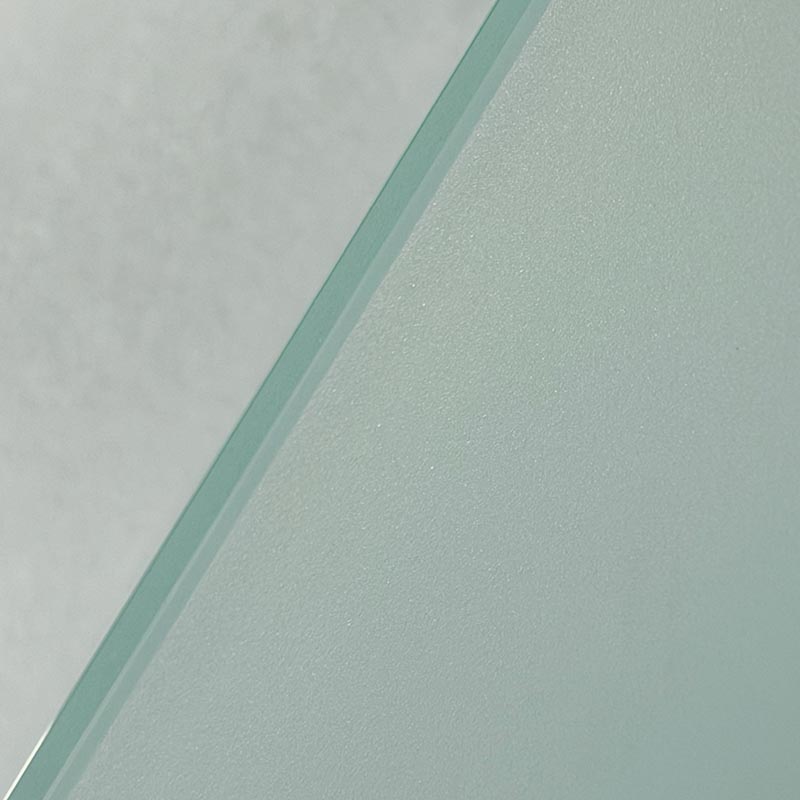
| Surface Finish | Uniform frosted appearance with fine matte texture |
| Further Processing | Available as tempered, insulating, laminated, ceramic fritted, or digital printed glass |
| Applications | Bathroom partitions, office partitions, windows, doors, decorative panels, and lighting areas |
PROCESSING ROUTE
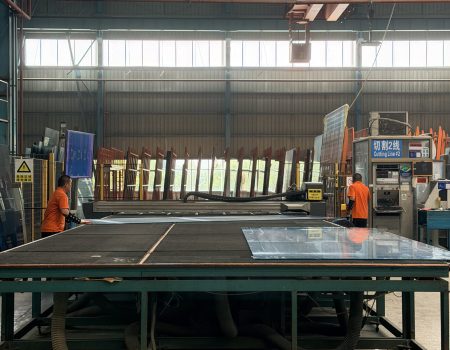
Cutting
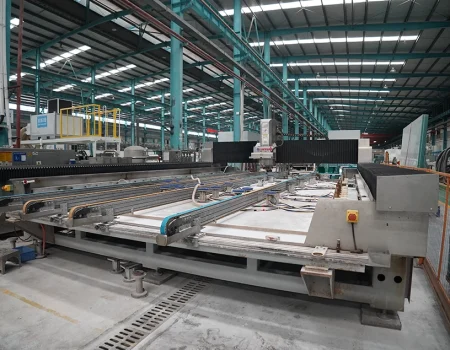
Edging
Frost
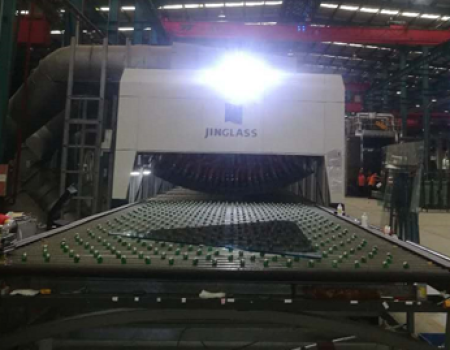
Tempering(optional)
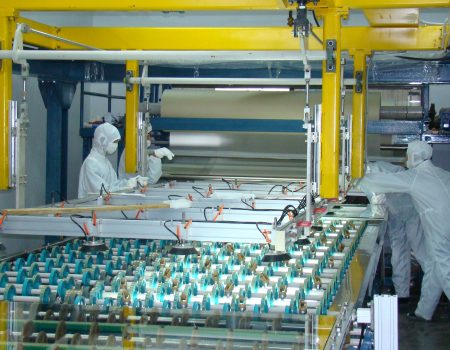
Laminating(optional)
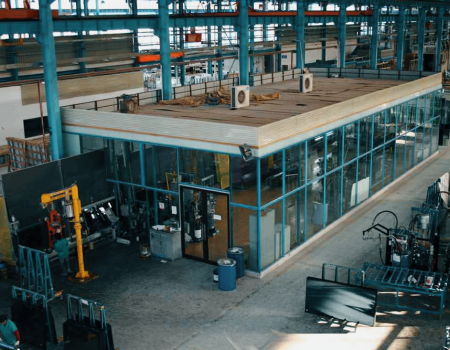
Insulating(Optional)
Frosted Glass: Privacy, Light Diffusion, and Architectural Applications
In contemporary architecture and interior design, balancing natural light with visual privacy has become a key challenge. Curtains and blinds block natural light. Clear glass provides transparency but no privacy. Frosted glass offers a practical compromise. It allows daylight to enter while blocking clear visibility, creating soft, diffused lighting for residential and commercial spaces.
This guide explains everything about frosted glass, including its definition, manufacturing methods, advantages, limitations, technical specifications, and architectural applications.
What Is Frosted Glass?
Frosted glass (also called obscured glass, etched glass, satin glass, or ground glass) refers to glass that has been treated to create a translucent surface. It allows light to pass through while blocking clear visibility.
Unlike clear glass, which offers full transparency, or solid walls, which block light completely, frosted glass provides a balance between privacy and brightness. It creates a “visible but not clear” effect.
The Science of Light Diffusion
The effect of frosted glass comes from its surface structure. A smooth glass surface lets light pass in straight lines, producing a clear image.
When the surface becomes rough or etched, it scatters light in different directions. This is called diffuse reflection. The eye receives a broken image, so objects behind the glass appear blurred.
This is why frosted glass maintains brightness while ensuring privacy. Light still enters the space, but the image becomes soft and unclear.
A Note on Terminology: Frosted Glass vs. Obscure Glass
These terms are often confused, but they are not identical.
Frosted glass refers to glass with a uniform matte surface created through acid etching or sandblasting. Obscure glass is a broader category. It includes frosted glass, patterned glass, textured glass, ribbed glass, and tinted glass.
In short, all frosted glass belongs to obscure glass, but not all obscure glass is frosted. Frosted glass is preferred when a smooth and consistent appearance is required.
How Is Frosted Glass Made?
Manufacturers mainly use two methods to produce frosted glass. Each method creates different surface effects and performance levels.
1. Acid-Etched Frosted Glass
Acid etching uses a chemical process to dissolve the glass surface. Manufacturers apply or immerse glass in an acidic solution (often containing hydrofluoric acid at low concentration).
The surface reacts over a controlled time, usually from a few seconds to several minutes. This creates a uniform frosted finish with a smooth texture.
Characteristics:
- Smooth satin-like finish
- Easy to clean
- Uniform opacity
- Higher cost
- Requires skilled production
- No rough surface feel
Acid-etched frosted glass is often used in high-end projects. It delivers a refined appearance and stable performance.
2. Sandblasted Frosted Glass
Sandblasting uses high-pressure air to spray abrasive particles onto the glass surface. These particles create tiny pits that scatter light.
Characteristics:
- Matte and cloudy appearance
- Flexible design options
- Can create patterns and gradients
- Rougher surface texture
- Easier to customize
- Lower production cost
Sandblasted glass allows more creative design freedom but requires more maintenance due to its rough surface.
Side-by-Side Comparison: Acid-Etched vs. Sandblasted Frosted Glass
| Feature | Acid-Etched Frosted Glass | Sandblasted Frosted Glass |
|---|---|---|
| Surface finish | Smooth, satin-like | Rough, matte |
| Tactile feel | Smooth | Slightly rough |
| Ease of cleaning | Easy | Harder |
| Opacity control | Uniform | Flexible |
| Design flexibility | Moderate | High |
| Technical difficulty | High | Medium |
| Cost | Higher | Lower |
| Best applications | Premium interiors, high-use areas | Custom designs, budget projects |
3. Alternative Methods: Frosted Window Film
Frosted window film offers a practical alternative when replacing glass is not possible. It uses a plastic film applied to clear glass to create a frosted effect.
This option works well for rentals or temporary setups. However, it is less durable and not suitable for harsh outdoor environments.
Advantages of Frosted Glass
Frosted glass provides both functional and visual benefits, making it widely used in modern design.
1. Privacy Without Losing Light
Frosted glass maintains privacy while still allowing daylight to enter. Unlike curtains, it does not block light completely. Instead, it spreads light evenly across the space.
2. Soft Lighting Effect
It reduces glare and eliminates harsh light spots. This creates a balanced and comfortable lighting environment, especially in offices, hospitals, and schools.
3. Modern Appearance
Its clean and minimal look fits modern architectural styles. It creates a calm and professional atmosphere in commercial spaces and a soft aesthetic in residential interiors.
4. Flexible Design Options
Manufacturers can customize frosted glass with patterns, logos, gradients, and prints. It also works well with other glass types.
5. Safety Compatibility
Frosted glass can be combined with tempered glass. This improves safety performance. When broken, it forms small blunt fragments instead of sharp shards.
6. Long-Term Durability
The frosted finish does not peel or fade. Acid-etched surfaces are permanent and require no maintenance.
7. UV Protection
Laminated frosted glass can block most ultraviolet radiation. This helps protect furniture, interiors, and displays from fading.
8. Acoustic Performance
When combined with laminated or insulated glass, frosted glass improves sound insulation. It reduces noise transfer between spaces.
Limitations of Frosted Glass
Frosted glass also has some limitations that should be considered before use.
1. Permanent Surface Treatment
Once processed, frosted glass cannot return to a clear surface. Replacement is required if changes are needed.
2. Reduced Light Transmission
Compared to clear glass, frosted glass reduces light levels. Typical transmission ranges from 50% to 90%, depending on treatment intensity.
3. Cleaning Challenges (Sandblasted Only)
Sandblasted surfaces trap dirt and fingerprints more easily. Acid-etched glass is easier to maintain.
4. Higher Cost for Premium Types
Acid-etched glass requires more advanced production methods. This increases cost for large projects.
5. Limited Use in Harsh Outdoor Conditions
Some outdoor environments can affect surface quality. Laminated or tempered versions work better for exterior use.
Technical Specifications
| Parameter | Typical Range / Notes |
|---|---|
| Light transmission (VLT) | 30–90% |
| Haze value | 60–95% |
| Thickness | 3 mm to 19 mm |
| Maximum panel size | Up to 4.9m × 2.2m |
| Surface roughness | 32–128 microinches |
| Mohs hardness | 6–7 |
| Base glass types | Clear, low-iron, tinted |
| Safety options | Tempered, laminated |
| Standards | ASTM, EN compliance |
Frosted Glass vs. Other Privacy Glass Types
| Glass Type | Finish | Privacy Level | Light Diffusion | Applications |
|---|---|---|---|---|
| Frosted Glass | Smooth or matte | High | Excellent | Bathrooms, offices |
| Textured Glass | Patterned | Medium-high | Good | Cabinets, partitions |
| Patterned Glass | Embossed designs | Medium | Moderate | Decorative windows |
Applications of Frosted Glass in Architecture
Residential Uses
| Application | Purpose |
|---|---|
| Bathroom windows | Privacy with natural light |
| Interior doors | Space separation |
| Cabinet inserts | Hide storage areas |
| Bedroom windows | Street privacy |
| Entry side panels | Light + privacy balance |
Commercial Uses
| Application | Purpose |
|---|---|
| Office partitions | Private workspaces |
| Conference rooms | Confidential meetings |
| Retail storefronts | Branding and display |
| Healthcare facilities | Patient privacy |
| Hotels | Decorative separation |
Institutional Uses
| Application | Purpose |
|---|---|
| Schools | Classroom separation |
| Libraries | Study privacy |
| Government buildings | Controlled visibility |
Specialty Uses
| Application | Purpose |
|---|---|
| Skylights | Diffused daylight |
| Museums | UV protection |
| Backlit panels | Decorative lighting |
| Furniture | Modern aesthetic |
Emerging Trends (2025+)
- Digital customization for patterns and logos
- Smart glass integration for switchable privacy
- Sustainable production using recycled materials
- Hybrid textures combining frosted and fluted designs
Conclusion
Frosted glass has evolved from a simple privacy solution into a core material in modern architecture. It balances light and privacy in a way that supports both comfort and design flexibility.
Acid-etched glass works best for premium, high-traffic spaces due to its smooth surface and durability. Sandblasted glass fits custom designs and cost-sensitive projects due to its flexibility.
When combined with tempered or laminated structures, frosted glass delivers strong performance in safety, durability, and aesthetics.
It continues to play an essential role in residential, commercial, and institutional design, shaping how modern spaces manage light and privacy.
Frosted Glass is a decorative and privacy-enhancing architectural glass that diffuses natural light while limiting direct visibility. Manufacturers produce it using acid etching or sandblasting processes, which create a smooth, translucent surface that balances privacy, brightness, and modern aesthetics.
Frosted Glass is widely used in office partitions, conference rooms, shower enclosures, doors, windows, healthcare facilities, and commercial interiors. It transmits abundant daylight while reducing glare and visual distractions.
SGT supplies custom Frosted Glass in various thicknesses, patterns, and safety configurations. Available options include tempered, laminated, and insulated glass for both residential and commercial architectural projects.

Reviews
There are no reviews yet.